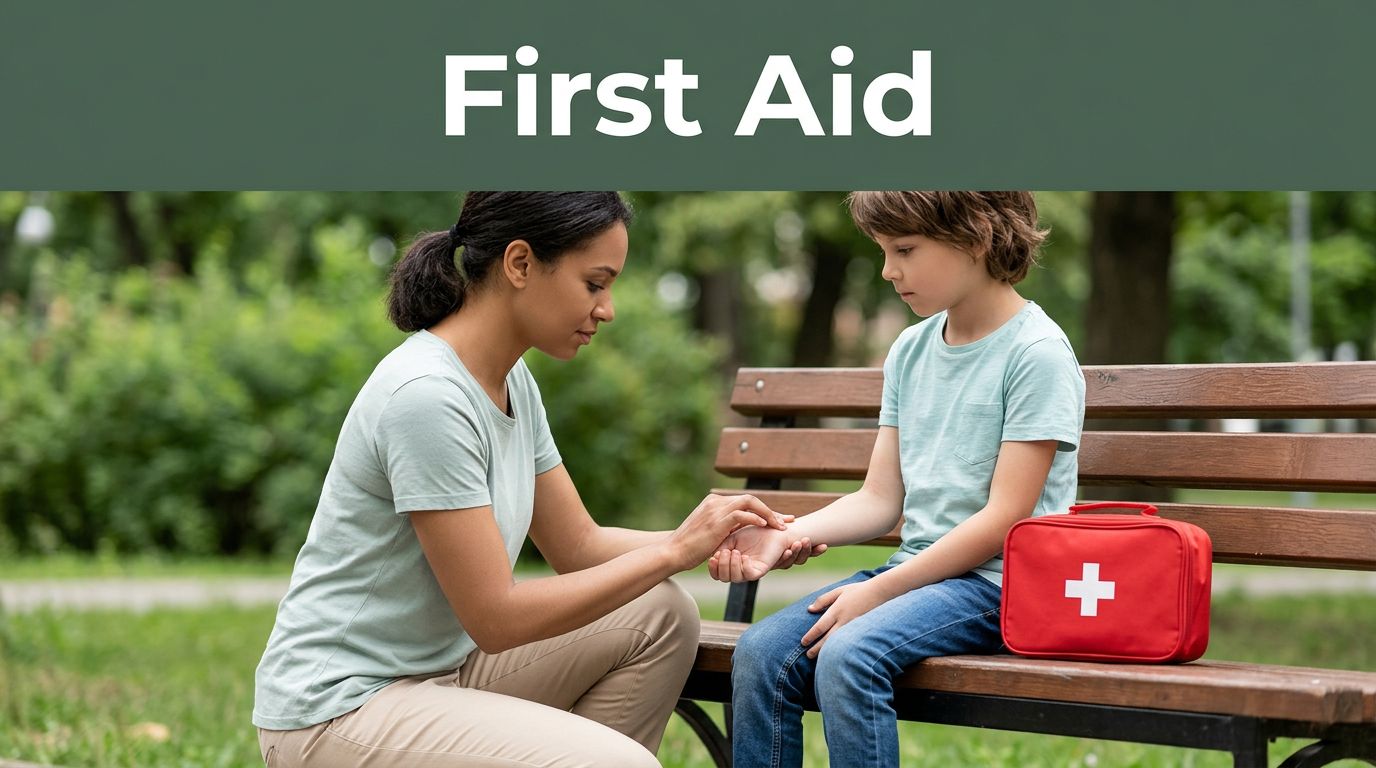
Picture this. You’re at the park with your family. A kid tumbles off a bike right in front of you. He lies still. Your heart races, but you freeze because you don’t know the next move.
Emergencies like this happen every day. Choking at dinner. A deep cut in the kitchen. Basic principles of first aid can save lives. Groups like the Red Cross and American Heart Association teach three simple steps: Check, Call, and Care.
These steps work for anyone. No fancy training required. You just need to act fast. This post breaks them down. Ready to learn how?
Safety First: Check the Scene and the Person
The Check step comes first. It keeps you safe. It also lets you spot big problems quick. Always start here. Rush in without checking, and you could make things worse.
You assess the scene in seconds. Look around before you touch anyone. Is traffic nearby? Downed power lines? Fire? Move hazards if safe. Step back if not.
Then check the person. Tap their shoulder. Shout, “Are you okay?” Do this under 10 seconds. Look for breathing or heavy bleeding too.
Wear gloves if you have them. Check for medical bracelets. These steps build a safe start.
Scan for Hidden Dangers Around You
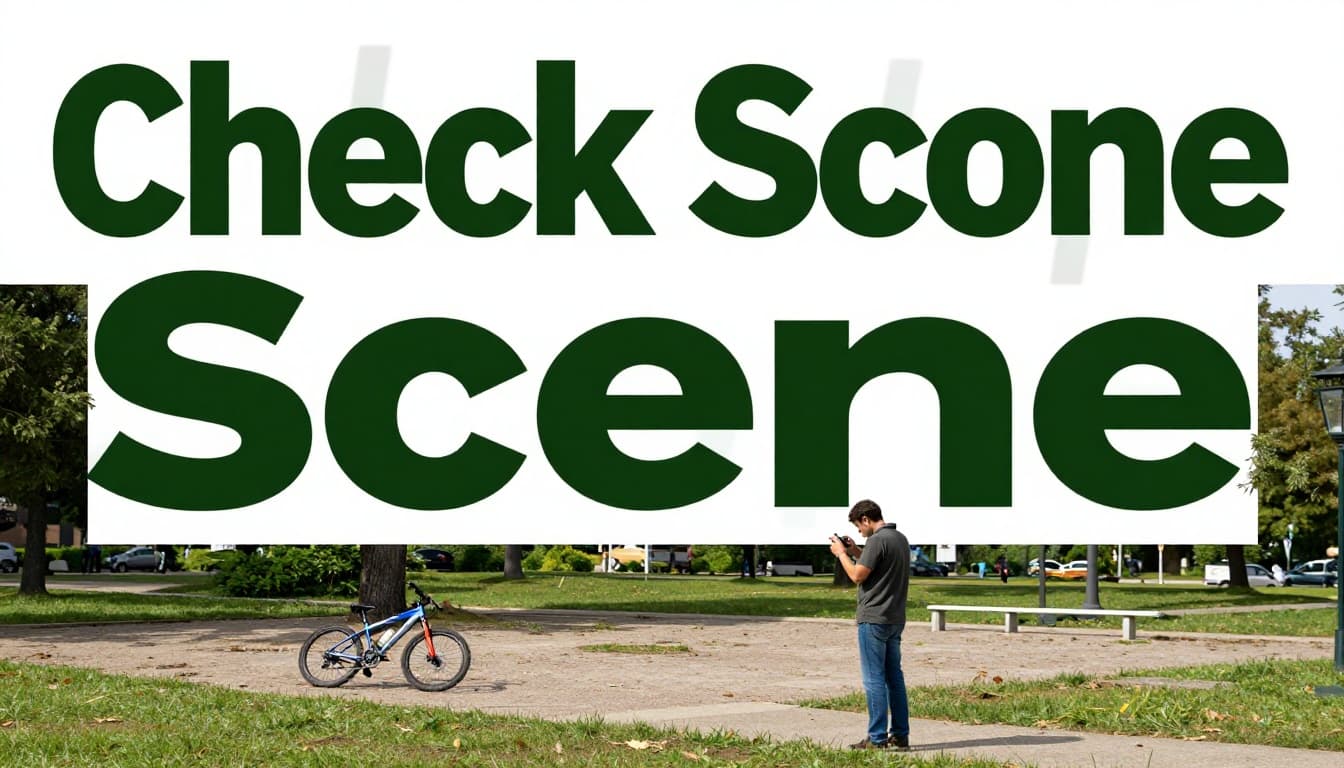
Start with the area. Scan 360 degrees. Look for traffic, crowds, or spills. In a bike crash, watch for cars. Step back from a wreck.
Bystanders matter too. Keep them away. This lets you focus. It also protects them.
For example, after a fall in the park, check uneven ground. Move the bike. Now you can help without slipping yourself.
Safety lets you stay in the game longer. Skip it, and no one wins.
Quickly Test if the Person Responds
Get close only if safe. Tap both shoulders. Shout loud, “Are you okay?” Watch their eyes. Any movement?
No response? Note it fast. They might not hear you. This signals trouble.
Then look, listen, feel for breathing. Chest rise? Air sounds? No gasps count as breathing.
Act now if silent. Speed saves time.
Spot the Top Life-Threatening Signs
Focus on killers. No normal breathing tops the list. Only gasps mean cardiac arrest. Heavy bleeding soaks clothes quick.
Other red flags include:
- No response to shouts or taps.
- Gurgling breaths.
- Blood spurting from wounds.
These need action now. Spot them in your quick scan. The Red Cross outlines these steps clearly.
Think bike crash. Helmet off, blood from head. Check finds the bleed. You act smart.
Call 911 Right Away for Backup
Call next if danger shows. Dial 911 fast. Pros handle the hard stuff. You buy time till they arrive.
Tell the dispatcher your spot. “Park on Elm Street.” Say what happened. “Man fell off bike, not breathing.” Give victim details.
Put on speaker. They guide you on CPR or more. If others around, send one to call. You keep checking.
Waiting drops survival odds. Call early. 2024 guidelines from Red Cross and AHA stress this.

Know Exactly When to Make the Call
Triggers stay simple. Call if unresponsive. Trouble breathing. Severe bleeding that won’t slow.
Add heart attack signs like chest pain. Seizures over five minutes. First-time fits too.
Choking leads here if they go down. Unconscious always means dial now.
No guesswork. These signs scream for EMS.
Talk Clearly to Get Fast Help
Stay calm. Dispatchers train for panic. Speak slow. Give location first.
Sample script: “I’m at Central Park entrance. Woman collapsed. She’s not breathing. Send help quick.”
Follow their lead. They might say start CPR. Update if changes hit.
Clear talk speeds teams. Lives hang on it.
Care for Them Until Pros Arrive
Care follows the call. Stabilize till help comes. Get consent if awake. “Can I help?” Use barriers like gloves.
Control bleeding with firm pressure. Cloth works. Help breathing if needed. Keep them comfy.
Goals stay basic. Stop harm. Watch changes. Anyone does this right.
Realtimes from AHA first aid guidelines back these moves. They updated in 2024, still gold in 2026.
Start with Consent and Protection
Awake? Ask permission. “Are you okay? Mind if I help?” They nod or speak.
Unconscious means implied yes. Protect yourself. Gloves block blood. Barriers for breaths.
Scan bracelets again. Allergies or meds guide you.
This builds trust. It keeps everyone safer.
Handle Bleeding, Breathing, and Comfort
Bleeding first. Press hard direct. Elevate if no breaks. Add tourniquet for limbs if trained.
Breathing issues? Recovery position for unconscious but breathing. Side roll, head back.
Shock signs like pale skin? Legs up 12 inches. Blanket warms.
Comfort reassures. “Help is coming.” Don’t feed or drink.
These basics stabilize. Pros take over.
Keep Watch and Follow Directions
Stay put. Recheck breathing every minute. Update dispatcher.
Reassure them. Hold hand if okay. Note changes like new bleeds.
EMS arrives. Brief them. “Called at 2pm. Wasn’t breathing, now gasping.”
Hand off smooth. You did your part.
Check, Call, Care form the backbone. These principles turn bystanders into heroes. Practice boosts confidence.
Grab a free Red Cross app quiz. Or sign for their class. You hold power now.
Share this with friends. What’s your first aid story? Drop it below. Act today, save tomorrow.
(Word count: 1487)