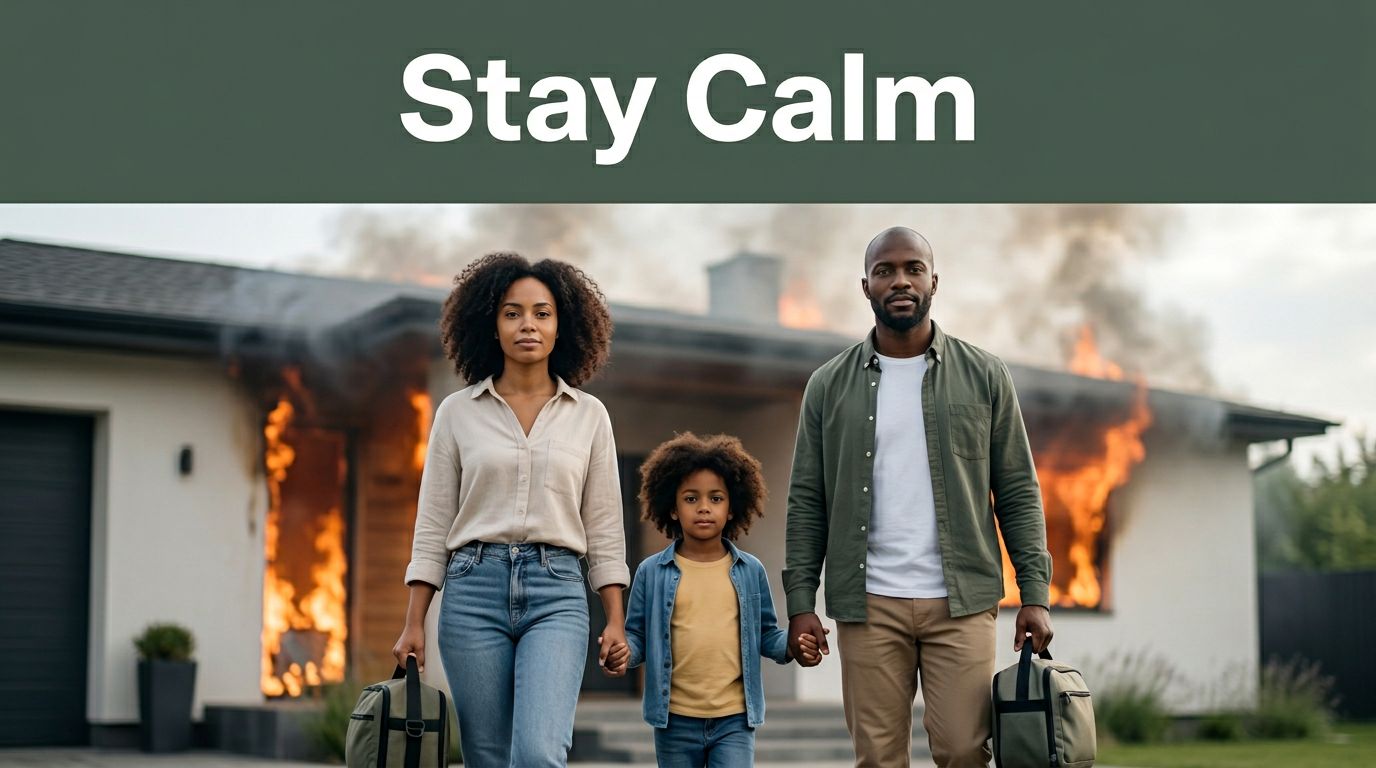
Picture this: flames lick the walls of your home during a house fire, smoke filling the air fast. One family stays calm, grabs their go-bag, and escapes through a pre-planned route; they all make it out safely. But next door, panic hits hard; the parents freeze, yell at each other, and waste precious seconds hunting for pets, turning a survivable exit into tragedy.
Your body does this on purpose. It kicks into fight-or-flight mode because stress hormones surge, making your heart race and mind lock up. That response helped our ancestors dodge saber-tooth tigers, yet today it clouds judgment in crises like car wrecks or heart attacks.
Recent patterns from California wildfires show prepared folks evacuate quicker without the chaos. They avoid jammed roads because they act early, stocked with water and essentials. Panic, however, spreads like the fire itself; families grab random stuff last-minute and miss safe windows.
You can beat this. Simple breathing tricks slow your pulse in seconds. Mental hacks refocus your thoughts amid the noise. Smart prep builds confidence before disaster strikes, and practice routines make calm your default.
In this post, you’ll get those exact steps to stay cool under pressure. Anyone can master them, so read on and build your edge now.
Breathe Deep to Stop Panic in Its Tracks
Your heart pounds during a crisis. Chaos clouds your thoughts. Deep breathing flips that switch fast. It slows your pulse and clears your head. Doctors and emergency trainers back these methods in 2026 guides. Start with one simple technique to regain control right away.
The 4-2-6 Breath: Your Go-To for Heart-Racing Moments
Picture yourself on the living room floor. Your loved one just took a bad fall. Adrenaline surges; dizziness hits. Stop. Sit if you can. Place one hand on your belly, the other on your knee. Close your eyes gently.
Now, try it with me. Inhale through your nose for 4 seconds. Feel your belly rise. Hold that breath for 2 seconds. Then exhale slowly through your mouth for 6 seconds. Repeat 3 to 5 times.
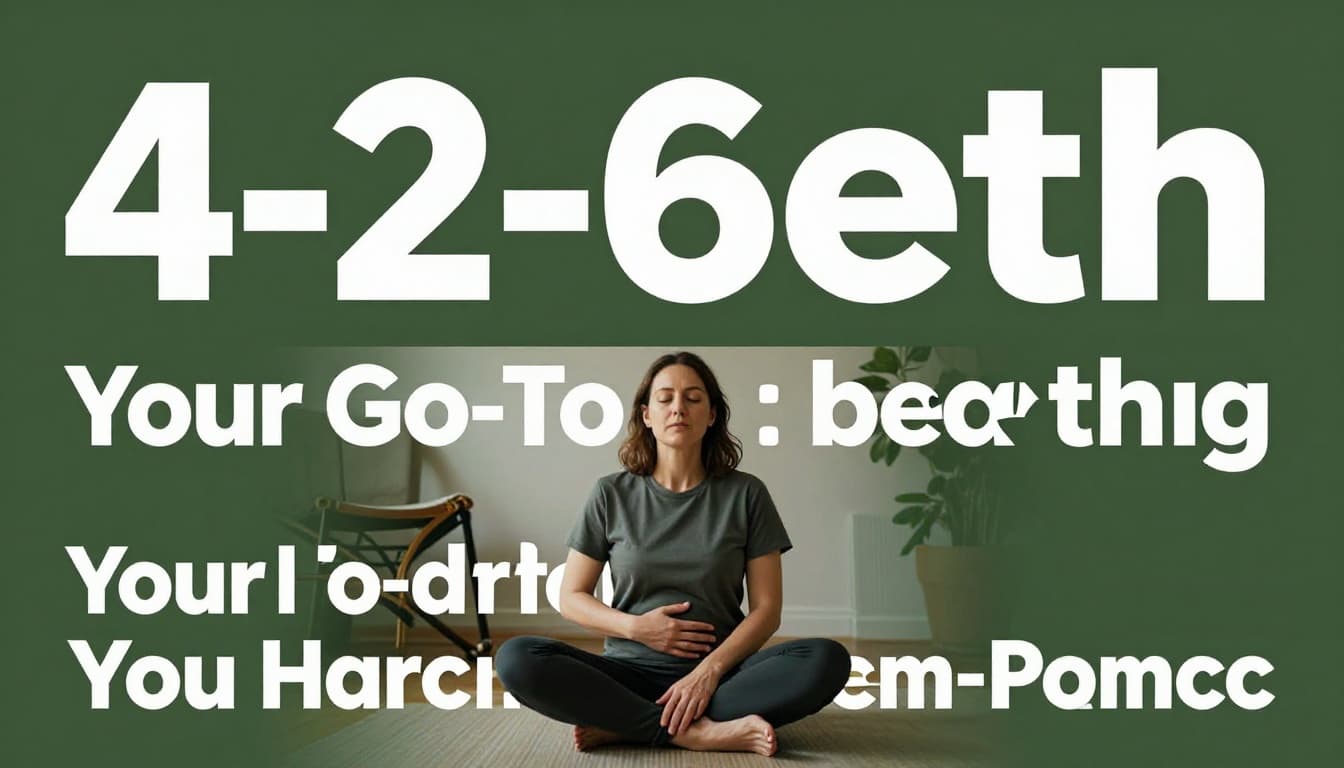
A 2025 study found this 4:6 ratio, at about 6 breaths per minute, boosts heart rate variability. That signals your parasympathetic system to activate. In short, it shifts you from fight-or-flight to rest-and-digest mode. Dizziness fades; overwhelm drops quick.
Here’s how to nail it in any crisis, like a fire or flood:
- Sit or stand tall. Feet flat on the ground.
- Inhale nose: count 1-2-3-4.
- Hold: 1-2.
- Exhale mouth: 1-2-3-4-5-6. Purse lips like blowing a candle.
- Repeat until calm returns.
For variety, box breathing works too. Inhale 4, hold 4, exhale 4, hold 4. Both cut panic fast. See a guided 4-2-6 demo for perfect form.
Make Breathing a Daily Habit for Crisis-Proof Calm
Practice now builds calm later. Spend 5 minutes each morning. Your body learns the pattern. Then crises feel familiar.
Set a phone timer or use an app. 2026 prep programs, like BBM Fundamentals, push this for all ages. Kids shorten counts; seniors sit comfy. It creates muscle memory for disasters.
Imagine a fire drill at work. Alarms blare. Your coworker freezes, but you breathe deep. Heart stays steady. You guide the team out smooth. “I felt in charge,” she said later. Confidence surges because you trained.
Daily perks stack up. Focus sharpens. Stress drops. Pair it with walks for extra calm.
Start simple:
- Wake up. Sit by the window.
- Do 4-2-6 for 10 breaths.
- Note how relaxed you feel.
Apps help track it. Try the Paced Breathing app for cues. After a week, you’ll breathe calm on autopilot. Disasters test prep; habits win.
Smart Mental Tricks That Keep You Focused and Moving
Emergencies hit fast. Your mind races with “what ifs.” Smart mental tricks from 2026 drills cut through that noise. Psychologists teach first responders and civilians alike to talk to yourself and scan surroundings. These steps build situational awareness right away. Campus and city programs report less anxiety and more confidence after training. So, you stay focused and keep moving.
Talk to Yourself and Scan Like a Firefighter
Panic whispers lies. Self-talk shuts it down. Firefighters use it in high-stress shifts. Say simple phrases out loud. “I’m safe right now.” “What’s my next step?” Or “I know what to do.” These words interrupt fear loops. They ground you in the moment.
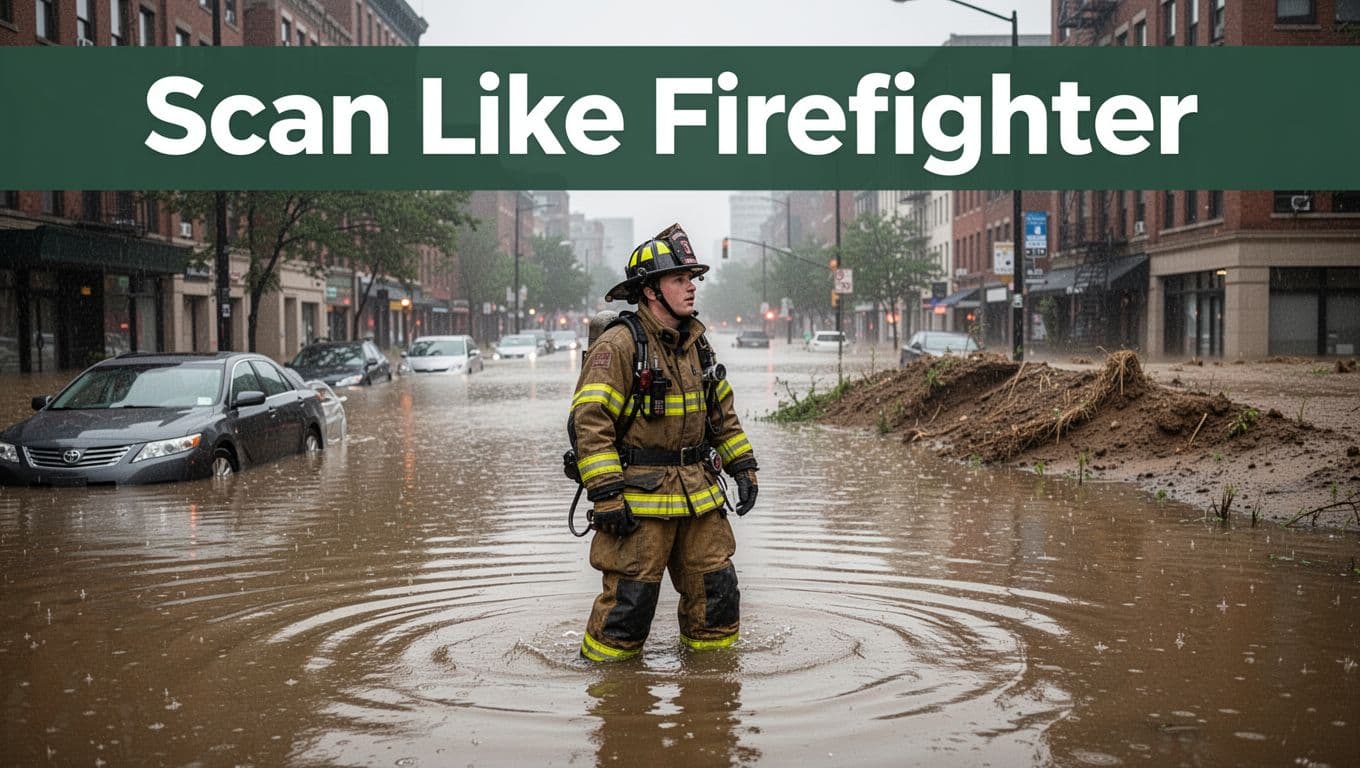
Now add a 360-degree scan. Turn your head slowly. Check all around for exits, dangers, or help. In a flood, spot high ground past submerged cars. During a home fire, note smoke direction and doors. Or in a car crash, look for oncoming traffic and flares.
This combo builds quick awareness. Firefighters stress 360 size-ups to catch hidden risks before entry.
Try this practice now. Stand up. Say “Scan now.” Turn full circle. Name three safe paths or helpers. Repeat daily. It takes 30 seconds. In real crises like injuries or active threats, you’ll spot help fast.
Psych experts in school drills push this too. Kids and adults practice together. Results show calmer responses overall.
One Small Step at a Time Beats Overwhelm Every Time
Overwhelm freezes you. Big tasks look impossible. Break them into tiny steps instead. Research shows this prevents that lock-up. Your brain shifts to action mode.
Take a house fire. First, feel the door for heat. If cool, open it slow. Get low and crawl out. Then check on others nearby. Done. No big plan needed.
Medical emergency? Assess breathing first. Call 911 next. Grab an AED if close. Simple chain keeps you moving.
In violence or earthquakes, same idea. Secure your spot. Then signal for help. Move to cover after.
Here’s why it works. Small wins release dopamine. Momentum builds. Survival psychology backs this for overriding panic.
Challenge yourself. Pick one crisis, like a flood. List three steps: Grab phone, head high, call family. Write it down. Practice once a week.
These tricks stack with breathing from earlier. Drills in Texas schools prove it. Teams act faster, stay safer. You can too. Start small today.
Prepare Your Mind and Home to Feel Unshakable
Breathing and mental tricks give you quick wins in the moment. But true calm comes from prep work ahead of time. You build unshakable confidence when your family knows the plan and your home holds the basics. 2026 guides from Ready.gov stress this shift to prevention. It cuts fear because readiness turns chaos into routine. Start with a family plan and a simple kit. Then master response moves. You’ll act fast, stay safe, and keep panic at bay.
Craft a Simple Family Plan That Everyone Knows
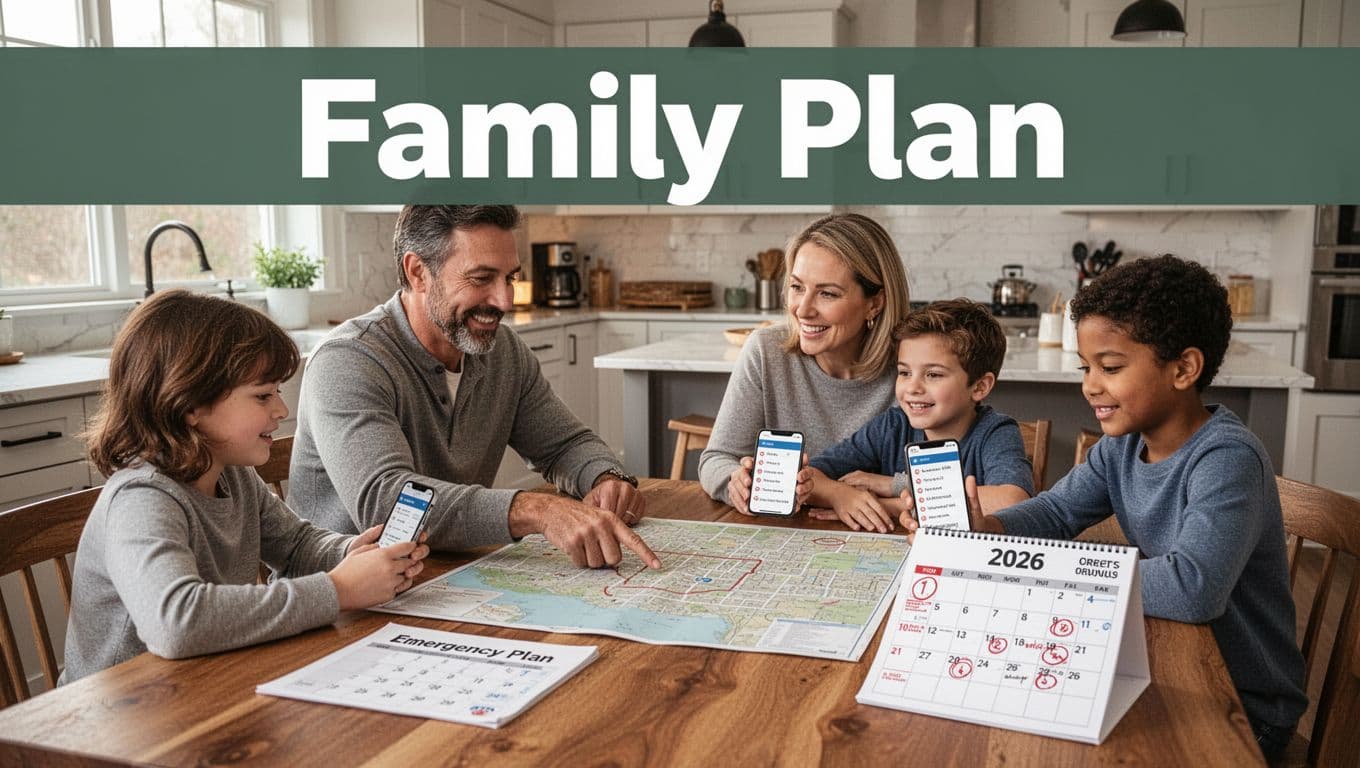
Gather your crew for a short meeting. Pick spots everyone reaches in a pinch: one right outside home, another outside the neighborhood. Name an out-of-state contact who stays reachable when local lines jam. Map two evacuation routes for storms or fires. Everyone gets a job, like grabbing pets or the kit.
Practice makes it stick. Schedule two drills in 2026: one in March before spring storms, another in October ahead of fire season. Run through the full plan in 10 minutes. Kids love the role-play; it boosts their buy-in.
Families who drill together report less stress later. Everyone feels in control because they know the steps. Check Ready.gov’s family plan form to fill it out fast.
In short, this prep creates calm through habit. Update the plan yearly. Your family stays united, no matter what hits.
Stock Essentials and Master Quick Response Moves
Pack a go-kit for three days without power or stores. Focus on basics: one gallon water per person daily, non-perishable food bars, first aid with meds, flashlight, battery radio, cash, and copies of IDs. Add family needs like pet food or baby formula. Store it in one backpack by the door.
Now learn the moves from 2026 protocols. Hold means stay put inside; use it for nearby threats like wildlife during a storm. Secure locks outsiders out; turn off lights and hunker down if trouble brews outside. Lockdown hides you quiet in an interior room; perfect for intruders. Evacuate grabs the kit and heads to shelter; follow orders in wildfires.
Picture a tornado warning. You secure fast, then hold tight. Or a house fire? Evacuate low and quick. Sign up for local alerts through your county app or Wireless Emergency Alerts on your phone. Knowledge like this builds sure-footed calm.
Practice these weekly. Your reactions sharpen, fear fades.
Families with kits and protocols move smoother in crises. You gain that edge now. Check it twice a year; stay ready.
Rehearse Regularly to Turn Calm into Instinct
Prep gives you tools, but rehearsal makes calm automatic. You practice breathing, self-talk, and plans until they fire without thought. Firefighters do this every shift, so panic never wins. Regular runs build that instinct fast. Start with mental pictures, then add real drills. Your brain learns to stay steady because you’ve “been there” before.
Visualize Success in Emergencies Like a Pro
Close your eyes right now. Picture a house fire. Smoke curls under the door. You stay low, feel the cool knob, and crawl out smooth. Breathe deep with your 4-2-6 pattern. Grab the go-kit, call family, reach the meet-up spot. See yourself calm, helping others. Open your eyes. Feel that control?
This 5-minute session works because your brain can’t tell real from imagined. Do it monthly for fires or car crashes. First, sit quiet. Inhale slow for 4, hold 2, exhale 6. Next, scan the room like a firefighter. Then run the full plan: alert others, secure pets, evacuate. End with success. Repeat three times.
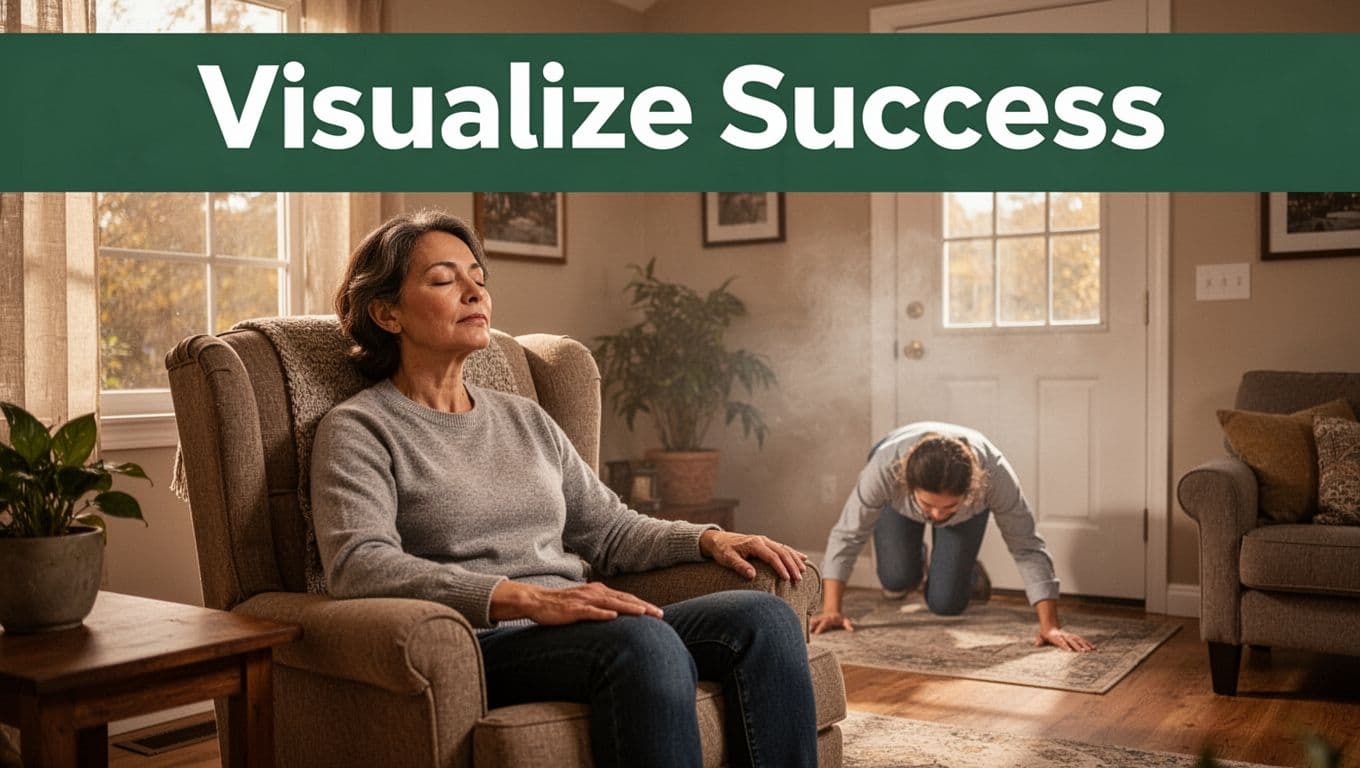
Firefighters swear by it in 2026 training. They visualize rescues to cut anxiety and sharpen focus. One study on mind-body methods for firefighters shows better performance under stress. Your amygdala chills out; reactions speed up.
Schedule easy. Sundays at 8 p.m., 10 minutes. Add a car crash: swerve safe, check vitals, call 911. Breathe through it. Join community drills for backup. Local fire stations host free ones; check your app. Groups build support and spot weak spots.
Long-term, this grows a problem-solver mind. You stack it with self-talk and small steps. Practice wraps it all: breathe first, scan next, follow plan. After a month, crises feel routine. Calm sticks because you own it. Start tonight; your family notices the difference.
Conclusion
You now hold the tools to turn panic into action. Deep breathing like the 4-2-6 method calms your pulse fast. Mental tricks build focus, while family plans and kits give you options. Rehearsals make it all instinct.
Recent 2026 trends show prepared people thrive in fires and floods. They override that 15-minute brain freeze from normalcy bias and act quicker for better outcomes. So, your habits create real edges.
Pick one technique today, like a family drill or daily breaths. Make your plan this week and share your first win in the comments below. Sign up for our newsletter for more stay calm emergency tips.
Small steps now mean lives saved later. Just like that family who escaped smooth, you’ll lead with steady hands.