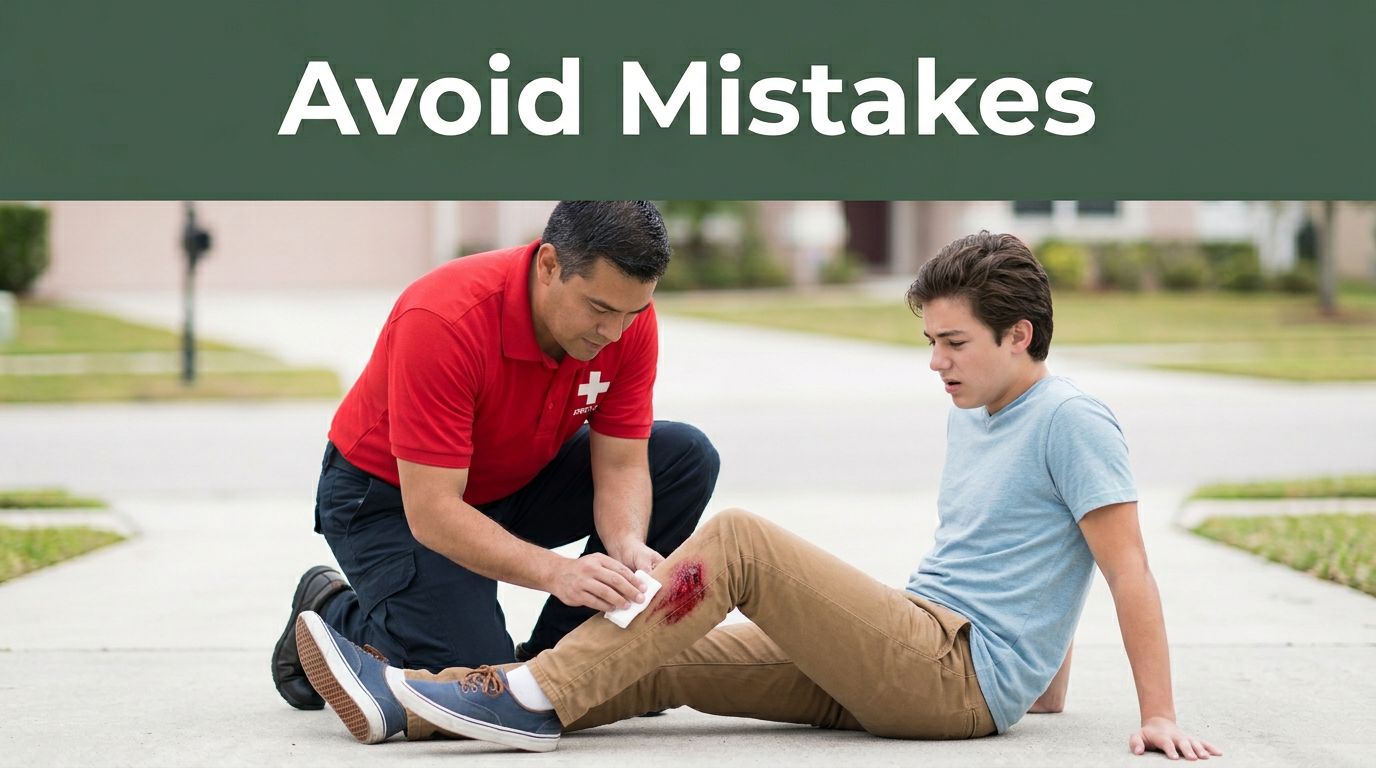
Picture this. You spot your neighbor collapsed in the driveway. Your heart races. You rush over without thinking. Chaos follows because panic clouds your judgment. First aid mistakes like this happen often. They turn helpers into hazards. The Red Cross notes that quick, calm action saves lives. Yet, poor choices worsen injuries or delay recovery.
The Mayo Clinic warns that errors in bleeding control or CPR cut survival odds. Every year, over 350,000 out-of-hospital cardiac arrests strike in the US. Bystander help doubles those chances, but only 40% of people step up right. Common slip-ups include panicking, skipping 911 calls, tourniquet blunders, ice mishaps, feeding the wrong people, shaky CPR, moving spines, and bad wounds care.
This guide spots those traps. It offers simple swaps so you act smart next time. You’ll gain confidence for real emergencies.
Letting Panic Take Over Instead of Taking Charge
Panic freezes you. Or it sparks wild moves. Both delay real help. Imagine a fall at a park. You scream and shake the person. That jars a hidden injury. Instead, good responders stay cool. They check the scene first.
Breathe deep. Scan for dangers like traffic or power lines. Then tap and shout. “Are you okay?” No response? Act fast but smart. If others watch, assign jobs. “You call 911. I’ll start care.” This teamwork speeds things up.
Practice builds calm. Red Cross drills create muscle memory. So you react without freak-out. One study shows panicked aid raises error rates by 30%. Calm ones follow the CHECK-CALL-CARE steps: check scene, call help, give care.
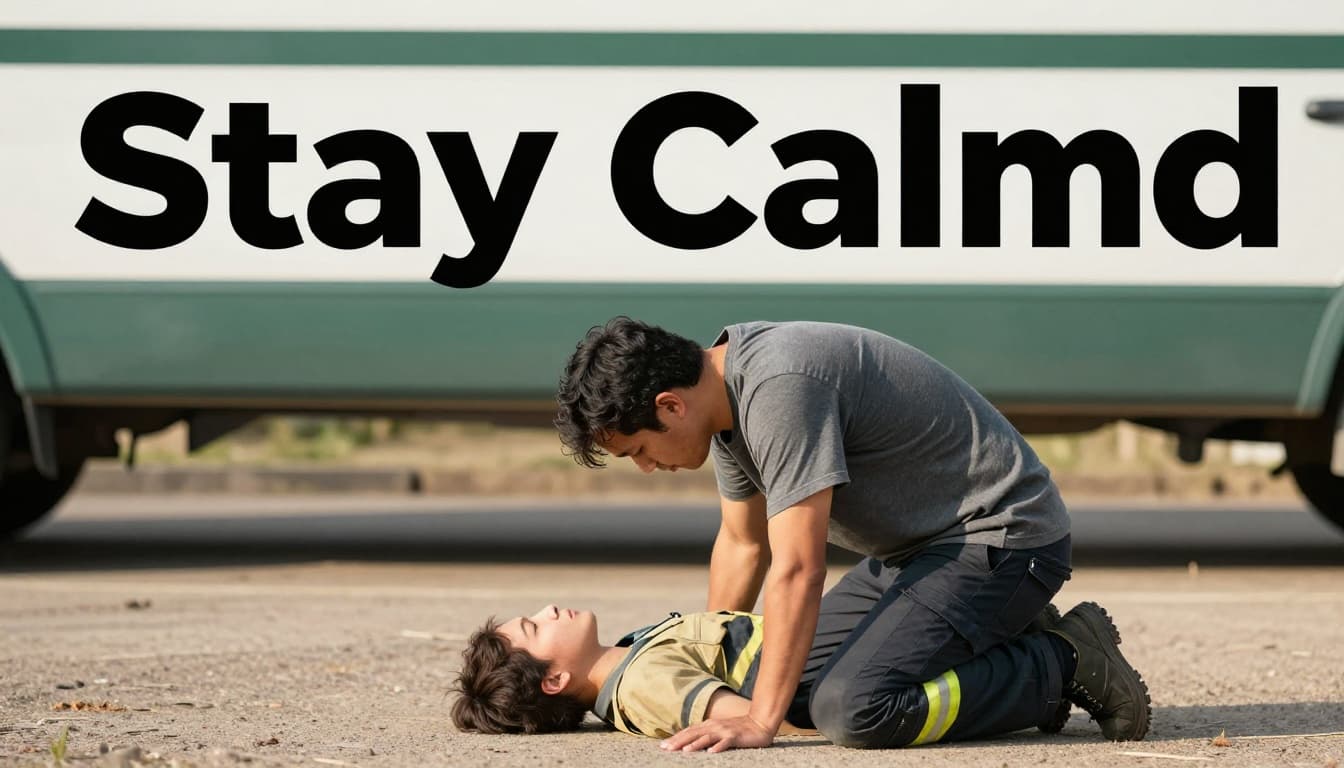
Deep breaths lower heart rate in seconds. Assess safely. Your steady hands make the difference. Panic wastes precious time. EMS averages 8 minutes in cities. Don’t add delays.
Delaying or Skipping the 911 Call
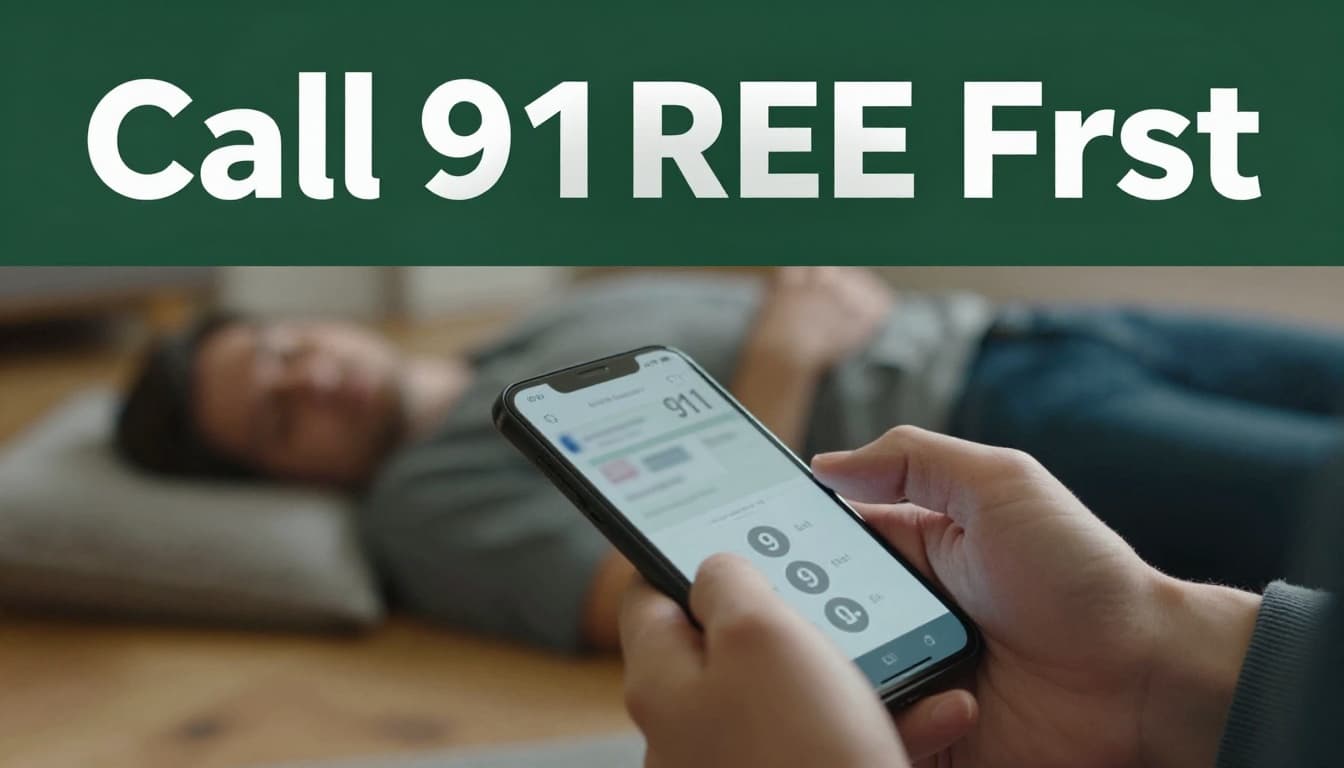
You see chest pain. “It’s minor,” you think. Someone else called, right? Wrong. Seconds count. Always dial 911 first for big signs: no breathing, heavy bleed, seizures, or unresponsiveness. The CDC stresses this for strokes or epilepsy fits too.
Tell dispatch the what, where, and how many hurt. “Adult male, no breath, park at Main Street.” They guide you. This info cuts response time. Bystander delays drop survival by half in arrests.
Don’t drive them yourself. Pros bring gear. And traffic risks more harm.
Moving People with Possible Neck or Back Injuries
Falls or crashes scream spine risk. You drag them from “danger.” But most spots stay safe. Only shift if fire, flood, or traffic looms.
Keep head steady. Place hands on sides of head. Hold till pros arrive. Red Cross tales show bad moves cause paralysis. One victim walked after stabilizers held firm. Movement snaps cords. Stabilize. Wait it out.
Bleeding and Wound Care Errors That Backfire
Bleeds kill fast if unchecked. Press firm with clean cloth. Hold 5-10 minutes. Blood soaks through? Add layers. Never peek early. That restarts flow.
Skip tight wraps at first. They cut circulation wrong.
Grabbing a Tourniquet Too Soon
Tourniquets shine for limbs gushers. But not starters. Mayo Clinic says direct pressure fails first. Then use one.
Grab wide band, 2 inches above wound. Tighten till bleed stops. No pulse below? Good. Note time. Get to ER in two hours max. Narrow belts crush tissue. Pros save limbs this way in crashes.
See Mayo Clinic’s severe bleeding guide for steps.
Skipping Proper Wound Cleaning
Rinse under cool water five minutes. Pat dry. No peroxide or booze. They kill good cells. Cover sterile. Watch for red streaks or pus. Infection swells fast.
Clean cuts heal clean. Dirty ones scar or sicken.
Misusing Ice, Heat, and Home Remedies
Sprains beg RICE: rest, ice, compress, elevate. Wrong adds damage.
Applying Ice or Heat the Wrong Way
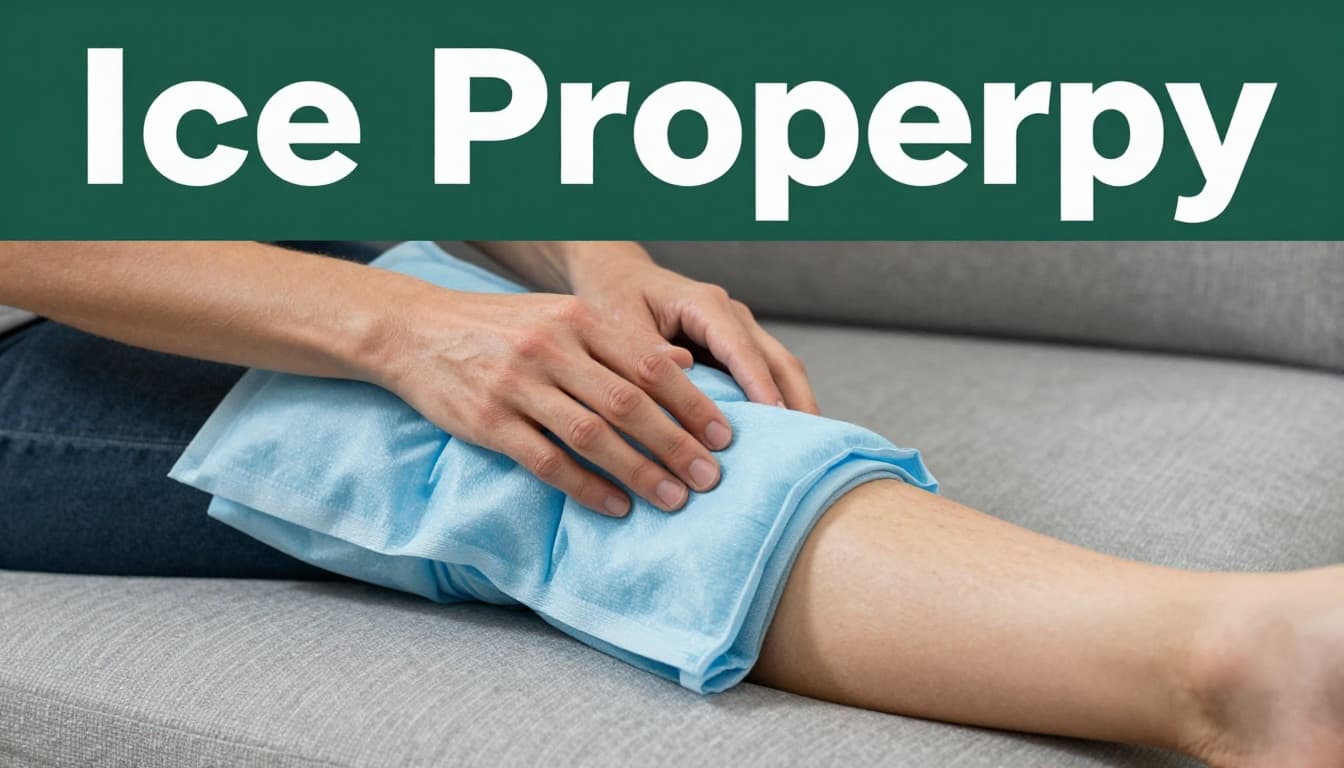
Fresh bruise? Ice 20 minutes on, off. Wrap it. No skin touch or frostbite hits. Elevate above heart. Heat waits 48 hours for stiff muscles.
Burns get cool water 10-20 minutes. Butter or ice traps heat. Swelling jumps.
Giving Food, Drinks, or Caffeine to Hurt People
Unconscious? Zero intake. Choke risk soars. Roll to recovery side: top leg bent, arm out.
Awake and dry? Tiny cool water sips. No soda or joe. They dehydrate more. Aspiration pneumonia fills lungs fast.
CPR Fundamentals You’re Probably Getting Wrong
Hands-only CPR saves most adults. No breaths needed unless trained. Push center chest.
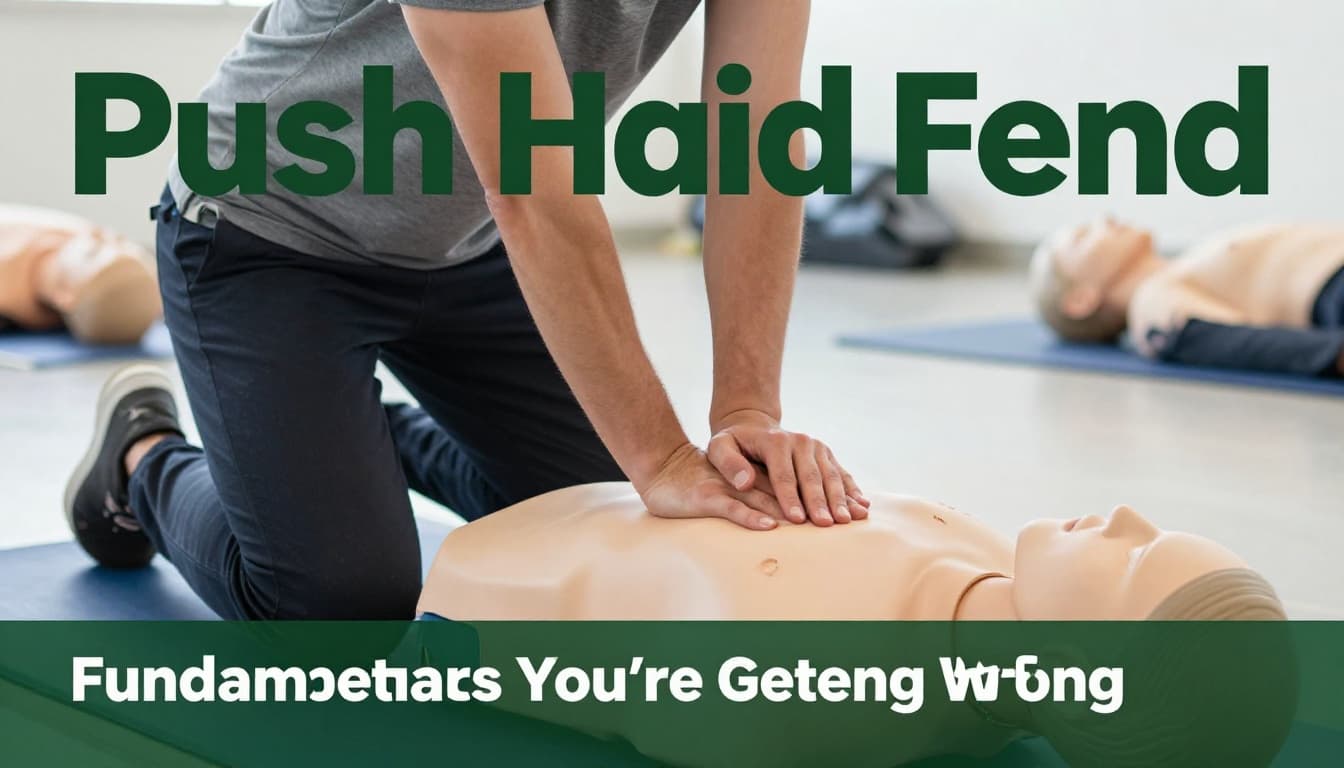
Flubbing Chest Compressions
Center breastbone. 100-120 per minute. Match “Stayin’ Alive.” 2 inches deep. Arms locked. Let recoil full.
Shallow or slow fails. Check Red Cross hands-only CPR. It triples odds.
Quitting CPR Before Help Arrives
Keep pumping till EMS swaps in, AED shocks, or you tap out for fresh arms. Stops kill flow. Brain dies in minutes. Survival plunges 10% per idle minute.
Chain hands. Don’t quit.
Top fixes beat these traps:
- Stay calm, assign roles.
- Call 911 first, steady spines.
- Press bleeds, tourniquets last.
- RICE right, no feeds.
- Hard, fast CPR non-stop.
Get Red Cross training. Online modules build skills fast, though full cert needs skills check. As of April 2026, blended options fit busy lives.
Next crisis, you’ll lead smart. Share your story below. Who have you helped right?