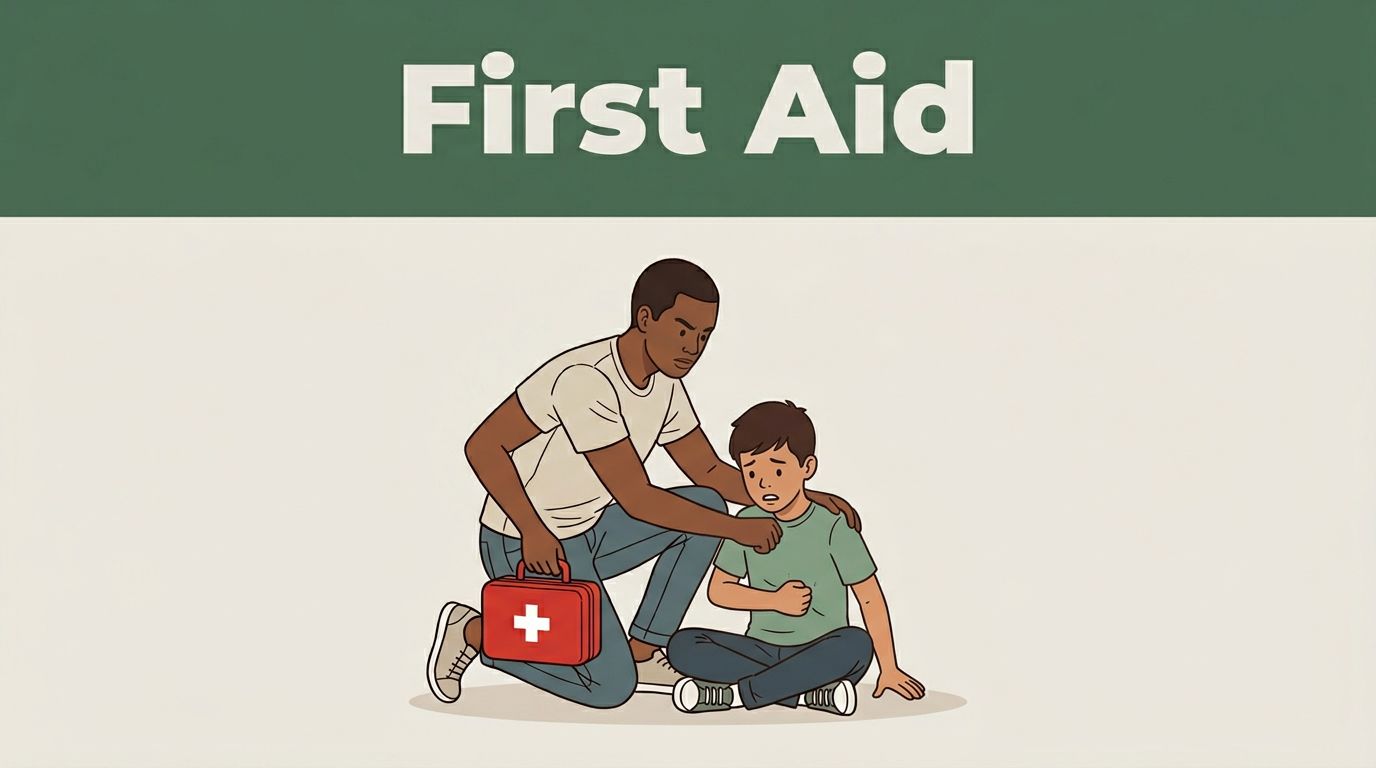
Picture this. You’re at a backyard barbecue. A family member suddenly chokes on a hot dog. Everyone freezes. Do you know what to do next?
First aid means immediate care you give to someone ill or injured. It bridges the gap until professional help arrives. The American Red Cross defines it as simple actions anyone can take. You don’t need to be a doctor. Bystanders save lives every day with basic moves.
Think about cardiac arrest. It strikes 350,000 times a year outside hospitals in the US. Survival sits at just 10% without quick action. Bystander CPR doubles or triples those odds. Choking, bleeding, and strokes happen too. Families face them at home or parks.
This post covers core steps from Red Cross guidelines. You’ll see why bystander help matters with real stats. Plus, master key skills and a 2026 learning plan. Learning first aid builds confidence. It equips you to act fast and save lives.
The Core Steps of First Aid You Need to Know
First aid follows a clear process. The Red Cross outlines four main steps based on 2024 updates still current in 2026. These keep you safe and help effectively. They work because they prioritize dangers first.
Start with scene safety. Then check the person. Call for help if needed. Provide care based on the issue. Evidence shows this order cuts response time. It focuses on life threats like no breathing or heavy bleeding.
Professionals train on these. But anyone can use them. Practice makes them second nature. For details on the official steps, check the Red Cross first aid steps guide.
Why Scene Safety and Quick Checks Come First
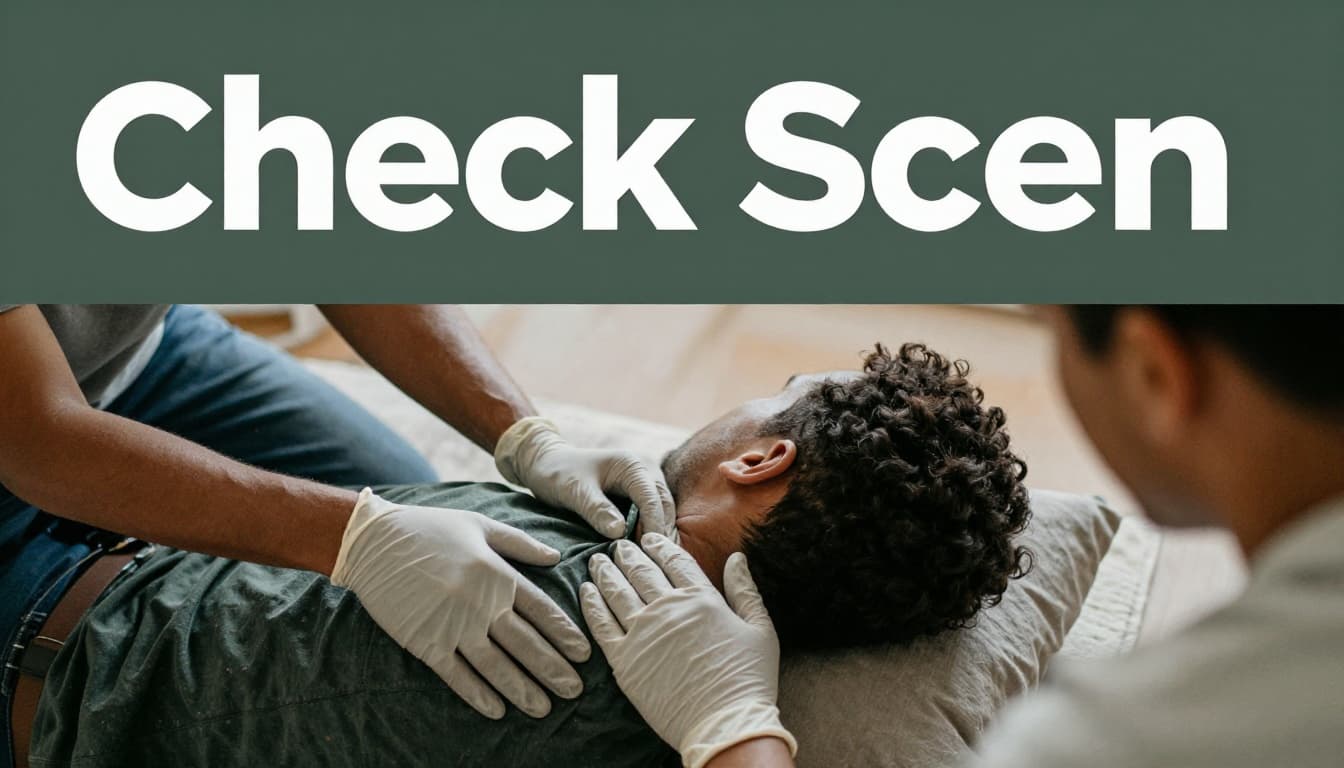
Always check the scene first. Look for hazards like traffic or fire. Ensure it’s safe for you. Then approach from the front. Ask, “Are you okay? Can I help?” Get consent. Grab gloves or PPE if available.
Next, check the person. Tap their shoulder and shout. Look for breathing or severe bleeding. Do this in 10 seconds max. No response? Yell for help.
Consider a car crash. You stop. Check for spilled fuel first. Then tap the driver. This order protects everyone. It prevents more harm. Calling 911 early activates pros fast.
These steps align with global standards. They save time in chaos.
Calling for Help and Starting Life-Saving Care
No breathing or bad bleeding? Call 911 now. Tell someone else to get an AED. Start CPR if trained. Hands-only works for untrained folks. Push hard and fast at 100-120 per minute.
If the person responds, call 911 anyway for issues like stroke. Use FAST: Face droop, Arm weakness, Speech trouble, Time to call. Care for the problem next. Don’t move them if spine injury seems likely.
In a home fall, you check breathing quick. Then dial help. This chain keeps oxygen flowing. Pros arrive ready. See the 2024 AHA-Red Cross first aid guidelines for more.
Why Bystander First Aid Saves Lives Every Day
Bystanders fill a critical gap. Pros take minutes to arrive. Every minute without CPR drops survival 7-10% in cardiac arrest. Quick action changes that.
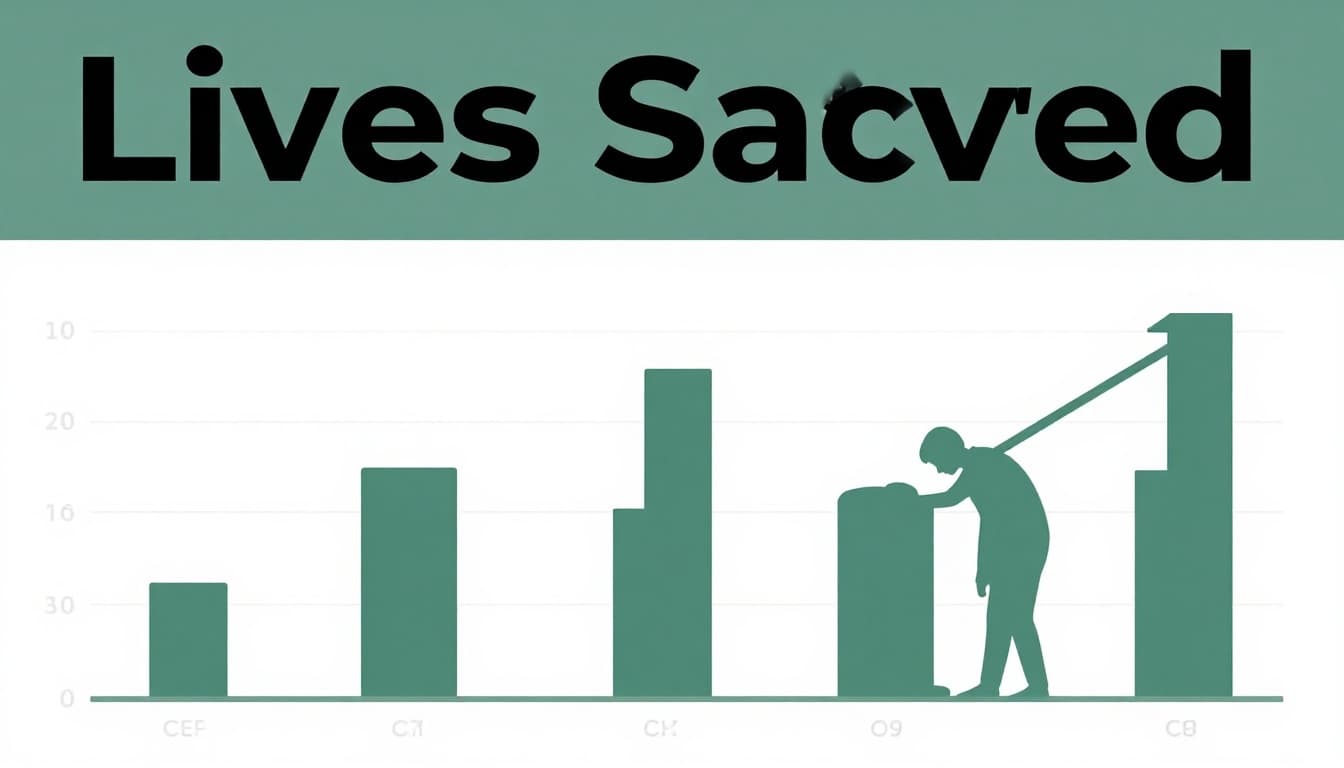
In the US, only 40% of out-of-hospital cardiac arrests get bystander help. When it happens, survival doubles to 20% or triples to 30%. Public cases hit 16% survival. That’s three times unwitnessed ones.
Benefits stack up. It buys time. Reduces injury severity. Builds your calm under pressure. Lowers medical costs. Strengthens neighborhoods. Kids and remote areas gain most.
Stories prove it. A park collapse turns into survival with fast CPR. Apps boost rates to 57% in some spots.
Shocking Stats on Lives Saved by Quick Action
Out-of-hospital cardiac arrest claims 350,000 yearly. Base survival? Under 10%. Bystander CPR pushes it to 40% in best cases.
Choking and bleeding see boosts too. Fast Heimlich clears airways. Pressure stops bleeds before shock sets in. Women get help less often. Training fixes that gap.
Check AHA CPR facts and stats for full numbers. First minutes count most.
Everyday Emergencies Where First Aid Makes the Difference
Cardiac events top the list. 90% fatal without help. Heart attacks lead to 805,000 cases yearly.
Bleeding from trauma kills quick. Choking hits 9% of adult arrests. Allergies cause anaphylaxis shocks. Seizures last over five minutes? Act fast.
Families see burns, sprains, heat issues. Asthma or diabetes lows strike kids. Remote spots lack quick EMS. Your skills bridge that.
Must-Master First Aid Skills for Anyone
Focus on basics everyone needs. Red Cross and AHA agree. Practice them for calm action.
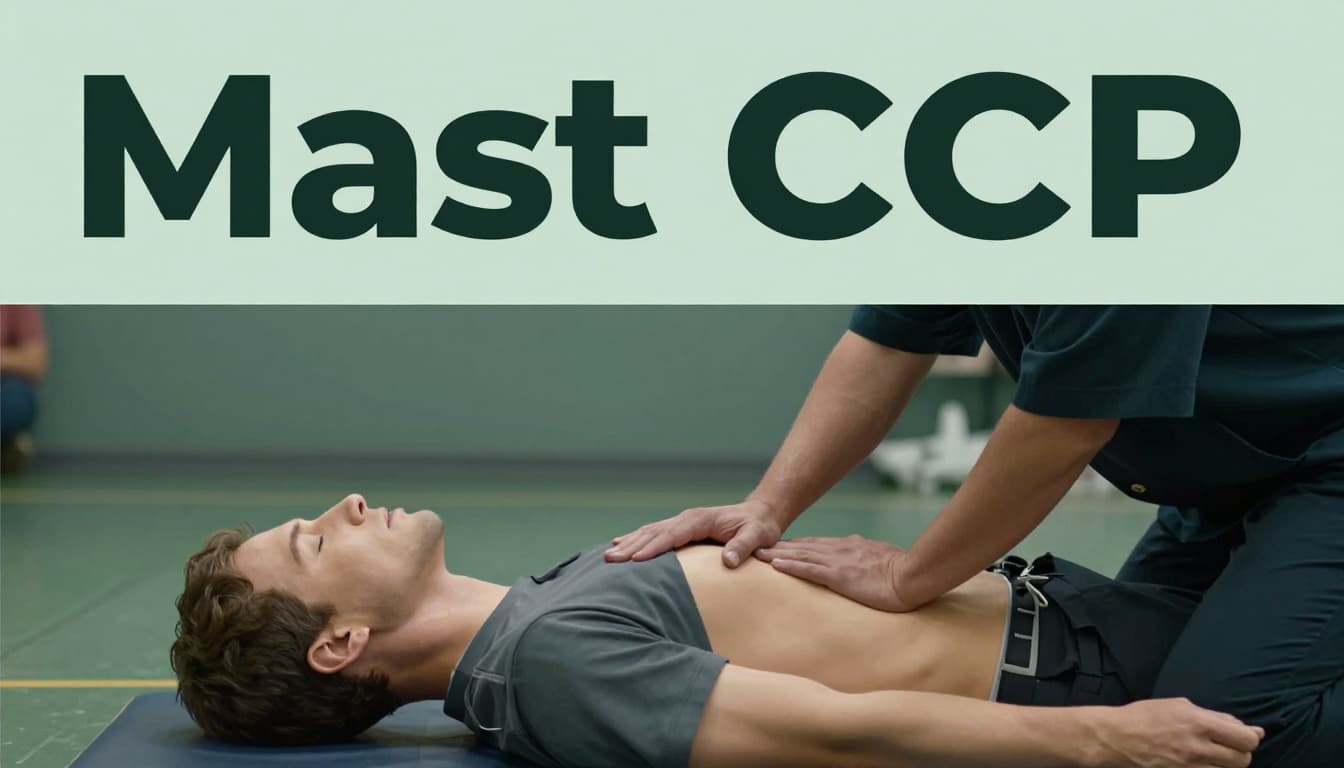
CPR leads. Push chest center 2-3 inches deep. 100-120 beats per minute. Sing “Stayin’ Alive” rhythm.
Stop bleeding. Apply direct pressure. Elevate. Use tourniquet if trained and bleeding soaks through.
Choking needs Heimlich for adults. Back blows for babies. Recovery position prevents choking on vomit.
Cool burns with water 20 minutes. FAST stroke test spots droop. Immobilize sprains. Warm shock victims. Protect during seizures.
These save organs from damage. They stabilize until help comes.
CPR and Airway Clears: Restarting the Heart and Breath
Hands-only CPR keeps blood moving. No breaths if untrained. Continue till AED or pros take over.
Adult choking: Five back blows, five abdominal thrusts. Babies get back then chest thrusts. Clears block fast.
Handling Bleeding, Burns, and Broken Bones
Pressure first on bleeds. Gauze packs wounds. Tourniquets for limbs, note time.
Run cool water on burns 20 minutes. Cover loose. Splint sprains, elevate ice.
Spotting Stroke, Shock, and Seizures Fast
FAST test: Check face, arms, speech. Call if any fail.
Shock shows pale skin, fast pulse. Elevate legs, keep warm.
Seizures: Clear space, roll side after. Time it. Never restrain.
Your Simple Plan to Learn First Aid Starting Today
Start easy in 2026. Free tools abound. Build skills step by step.
Red Cross First Aid app tops lists. Step-by-step guides, quizzes, videos. Offline mode, 911 button. AHA Knowledge Booster quizzes refresh you.
Classes certify fast. Red Cross online modules take 30 minutes. In-person runs 1-8 hours, $20-100. Two-year cert.
Grab a kit: Gloves, bandages, gauze. Practice drills yearly.
Top Apps, Courses, and Certifications in 2026
Red Cross app includes Spanish, badges. Alexa skills too. AHA for CPR focus.
Enroll via Red Cross training page. Local spots like community centers.
Step-by-Step: From App to Full Training
Download app today. Quiz daily.
Watch free videos next.
Take online module.
Join class for hands-on.
Build kit.
Run family drills.
Boosts resume, confidence.
First aid means quick care until pros arrive. Bystander action doubles survival in cardiac arrest. Core steps and skills like CPR equip you.
Anyone learns fast. Apps take minutes. Classes certify quick.
Download the Red Cross app now. Sign up for a class this week. Share these skills.
Your action could save a family member tomorrow.