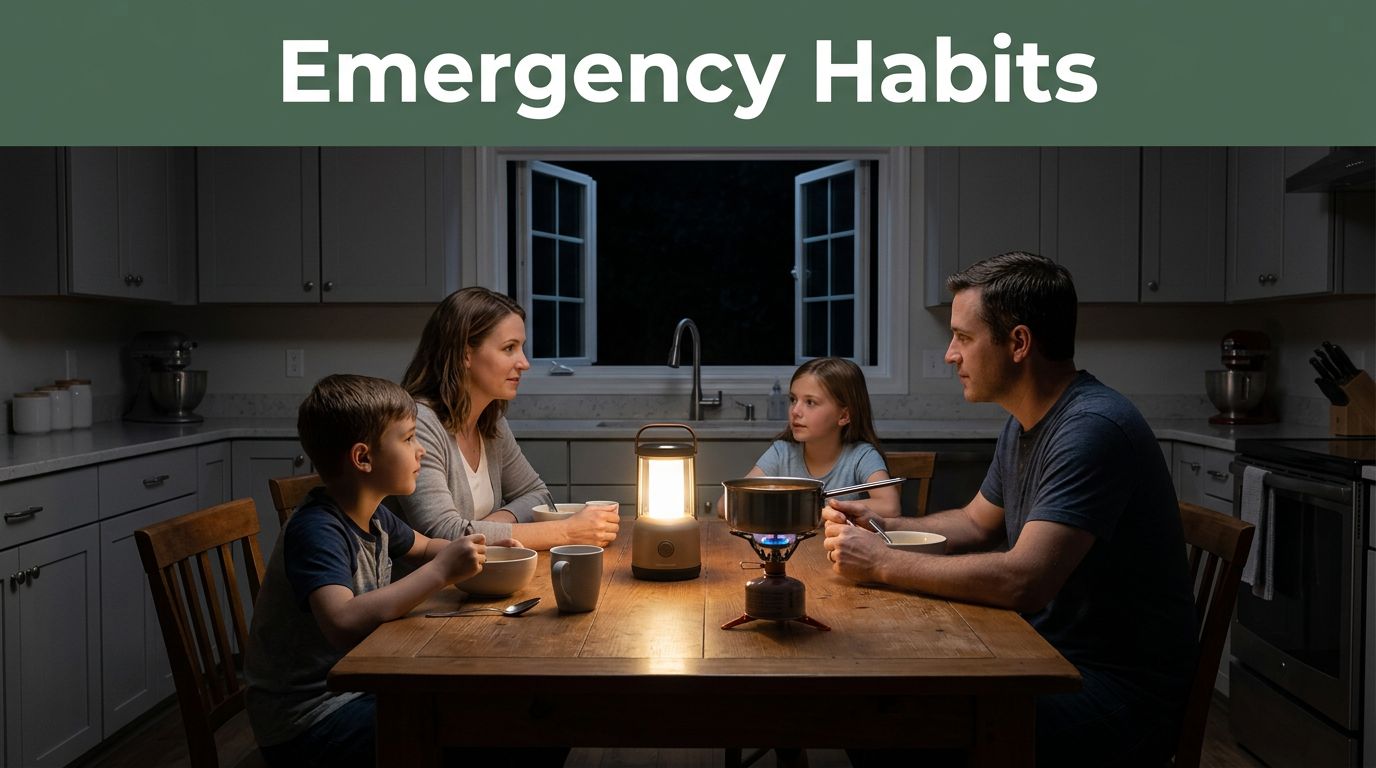
Picture this. It’s April 2026. A huge blackout hits a Midwest suburb after a storm. One family sits calm at their kitchen table. They light lanterns and heat soup on a camp stove. Neighbors bang on doors in panic. No lights. No fridge. Chaos everywhere. This family responds fast because they built habits over months.
You face the same risks. Storms, floods, outages strike without warning. Consistent habits create muscle memory. They boost fitness and clear thinking. Recent prep trends show people drill multi-scenario events like blackouts plus floods. They stress basic fitness and calm mindsets. Experts say 80% of success comes from these fundamentals.
Fitness keeps you moving. Drills spot weak spots. Mindset drives smart choices. These three categories deliver actionable steps. You can start today for better responses tomorrow.
Build the Fitness You Need to Move Fast in a Crisis
Your body must handle crisis demands. Stamina and mobility matter first. Unfit people tire quick in disasters. They risk injuries early. 2026 experts push daily basics like walks and stretches. These build endurance for storms or evacuations.
Fit preppers stay mobile longer. They grab gear or help others without strain. Recent guides note unfit folks struggle day one. Heart stress hits hard under pressure. Simple habits change that.
Start small. Tie routines to daily life. Beginners gain fast with consistency.
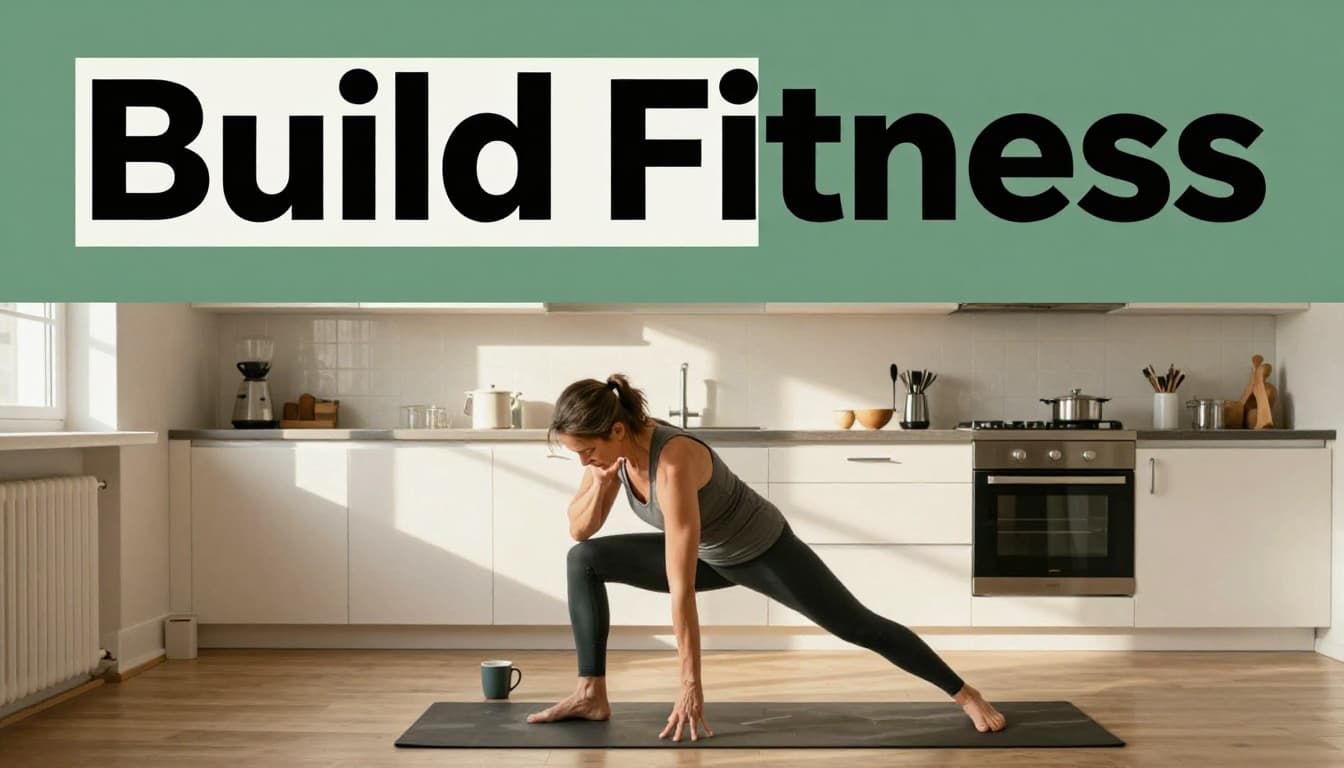
Kick Off Mornings with Quick Stretches
Do five minutes right after waking. Neck rolls loosen tight muscles. Arm circles free shoulders. Toe touches wake legs. These keep you limber for real tasks.
Aging bodies need this most. Emergencies demand reaching shelves or bending low. Falls hurt bad when adrenaline pumps. Stretches cut that risk. They improve balance too.
Link it to coffee time. Grab your mug. Stretch while it brews. Apps guide you now in 2026. Search YouTube for quick routines. One prepper tip: Practice shoe-tying during toe touches. You stay fast in dark outages. For more on why fitness anchors prep, check the importance of physical fitness in emergency preparedness.
Results build quick. You feel ready after a week.
Walk Daily to Boost Stamina and Strength
Aim for 20 to 30 minutes brisk pace. Go outdoors when safe. Treadmill works indoors. This fights heart strain in long crises.
Research shows unfit people fade fast. They can’t walk miles if floods force evacuations. Fit survivors did just that in past events. They reached safety while others waited.
Adjust for your level. Slow pace if new. Add hills later. Carry a pack sometimes. It mimics gear hauls. Do this most days. Your body adapts. Stamina grows for day three of any mess.
Practice Real Skills Weekly to Spot Weaknesses Early
Gear sits useless without practice. 2026 trends favor short drills. They reveal gaps before disasters. Do one hour twice weekly. Turn off power. Cook backups. Filter water.
Tough conditions teach most. Build fires in rain. Do first aid outside. Monthly low-water runs show true needs. Families who drilled solar cooking ate hot during blackouts. Others scavenged cold cans.
Shift from buying to doing. Drills build confidence. They match multi-layer threats like outages plus heat.
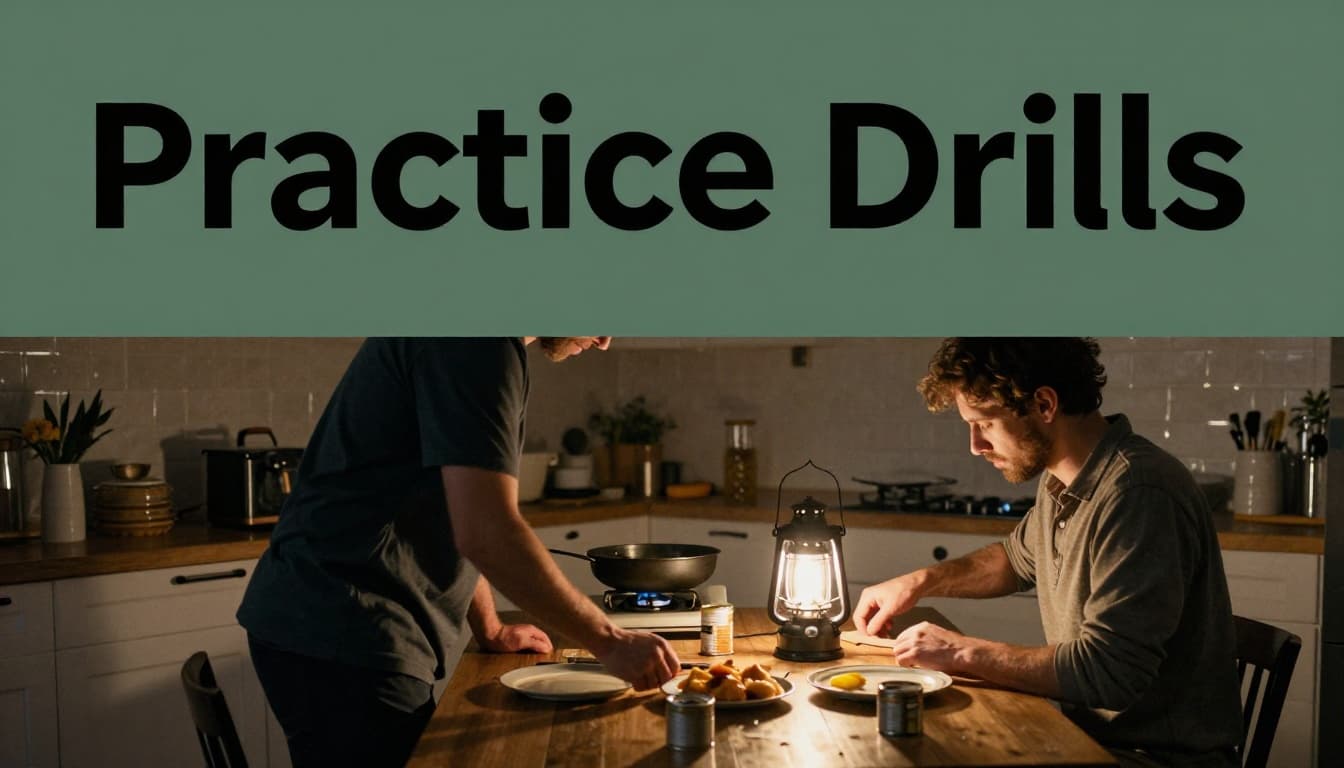
Simulate Power Outages at Home
Unplug everything first. Use lanterns only. Cook simple meals on stove or solar. Note fails like dead batteries.
Family example: Preppers heated beans while neighbors ordered pizza that never came. They stayed fed. Fix issues right after. Repeat monthly.
Steps stay easy:
- Gather kit: lantern, fuel, food.
- Time yourself: one hour dinner.
- Debrief: What slowed you?
This uncovers hidden problems. You plug them fast. See a free guide for power outage emergency plans.
Train in Bad Weather or Conditions
Pick rainy days for fires. Sleep rough once monthly. People overestimate skills. Experts say practice halves errors.
Schedule it. Saturday evenings work. Build fire in drizzle. Test tent setup cold. You learn gear limits.
Why bother? Real crises hit wet or windy. Dry runs fool you. Wet ones prepare true.
Run Low-Water Challenges
Use stored water only for 48 hours. Calculate needs: one gallon per person daily. Track every sip.
Beginners win quick. Shower less. Cook smart. You see waste. Stock adjusts.
This habit saves lives in droughts or floods.
Train Your Mind to Think Clearly When Chaos Hits
Stuff matters less than mindset in 2026. Trends stress calm adaptation. Daily reviews build it. Check your binder five minutes mornings. Note skills, gear, plans.
Evenings ponder gaps. Journal first aid needs. Wins from drills boost confidence. Reflection walks clear stress.
Follow the ’10 P’s of Prep’ idea: Proper prior planning prevents poor performance. Busy folks fit this in bed or commutes.

Quick Morning Reviews of Your Prep Plan
Binder holds maps, contacts, kits. Update after drills. Scan once. Ask: Ready for blackout plus flood?
This takes minutes. It wires calm choices.
Evening Reflections on Skill Gaps
Prompts help: What failed today? Next step? Journal three lines.
Hobbies like walks add relief. You sleep better. Families fixed fire skills pre-storm this way. For mindset tips, read prepared not panicked during emergencies.
Habits like these create quiet strength.
Fitness, drills, and mindset form your base. They cover 80% of crises with small steps. Start one this week. Add a stretch. Run a drill. Review your plan.
You gain calm fast. Share your first habit in comments below. Subscribe for more 2026 tips. Picture yourself that steady family next outage. Small actions make it real.