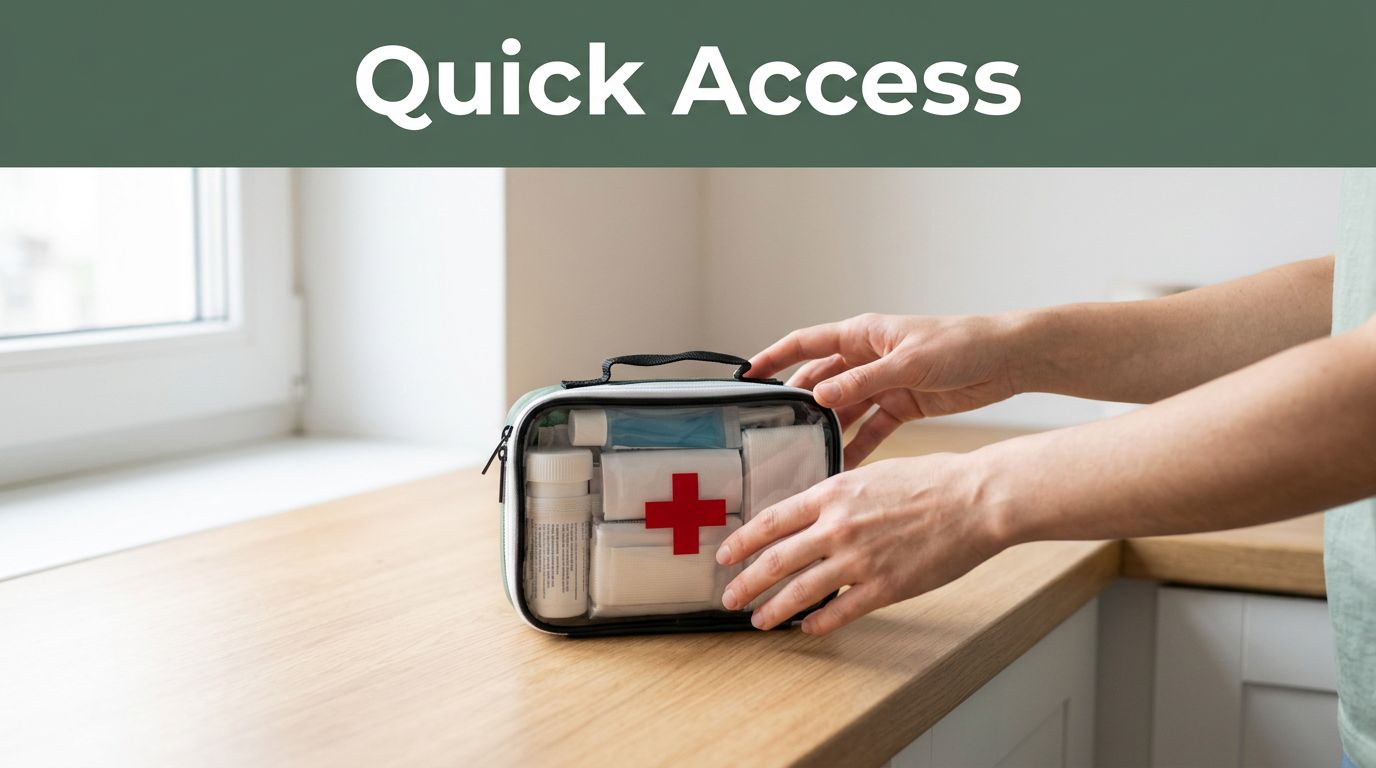
Picture this. Your child slips on the kitchen floor while chasing a toy. Blood flows from a cut on the knee. Or maybe you nick your finger chopping vegetables for dinner. Seconds matter in these moments. A first aid kit right there can stop the bleeding fast and calm the panic.
Home injuries happen often. The CDC reports over 43 million emergency room visits for injuries each year. Many occur at home, like falls or cuts during daily tasks. Grilling alone sparks more than 10,000 home fires annually, per Red Cross data. Quick access to your kit makes all the difference. Store it in cool, dry spots out of kids’ reach but easy for adults to grab. Everyone in the family should know the spot.
This guide covers the best places for first aid kit storage in your home, car, work, school, and outdoors. You’ll learn prime locations, spots to avoid, and organization tips. Follow these ideas, and you’ll handle minor emergencies without delay.
Prime Spots in Your Home for Fast First Aid Reach
Accidents strike where you least expect. Keep your kit central so you grab it fast. The Red Cross suggests hallway closets or pantry shelves. These spots stay cool and dry. They work well for families because everyone passes by often.
Multiple kits help too. Place one per floor or high-use area. If a fire damages one spot, others stay safe. Label each clearly. Teach kids the locations without letting them touch.

Kitchen Pantry or Countertop: Your Everyday Go-To
Cooking leads to many cuts and burns. Store your kit in a kitchen cabinet or drawer. Everyone heads there daily, so access stays simple. Put it on a middle shelf at eye level. Avoid the floor to prevent trips.
Use child locks if little ones roam. Pros include familiarity. Family members find it without thinking. A countertop basket works for quick grabs, but tuck it away from spills. Check monthly because kitchens get humid.
Hall Closet or Under the Stairs: Smart and Safe
A hall closet serves the whole house. It sits out of daily chaos yet close to bedrooms and living areas. Under-stair storage adds safety in earthquakes. Supplies stay put during shakes.
Keep kits at adult eye level. Label with big red letters: “First Aid.” This setup beats scattered bathroom cabinets. Everyone reaches it in under a minute from most rooms.
Places to Never Store Your Kit at Home
Skip the bathroom. Humidity ruins tapes and meds. Garages face extreme heat that melts ointments. Car trunks do the same over time.
Direct sun fades labels and weakens bandages. Floors collect dirt and invite trips. The CDC notes temperature swings degrade supplies fast. For details on home injury risks, see the NSC Injury Facts on home deaths. Cool, dry matters most.
Road Warrior Setup: First Aid in Your Car
Cars see flat tires, road rash, or motion sickness. A dedicated kit saves the day. Pick a glove box or door pocket. These spots stay reachable from the driver’s seat.
Trunk organizers work if sealed tight. Avoid long-term trunk storage because heat destroys items. Red Cross advises portable, waterproof cases. Check every three months. Temps inside cars hit 140 degrees on hot days.
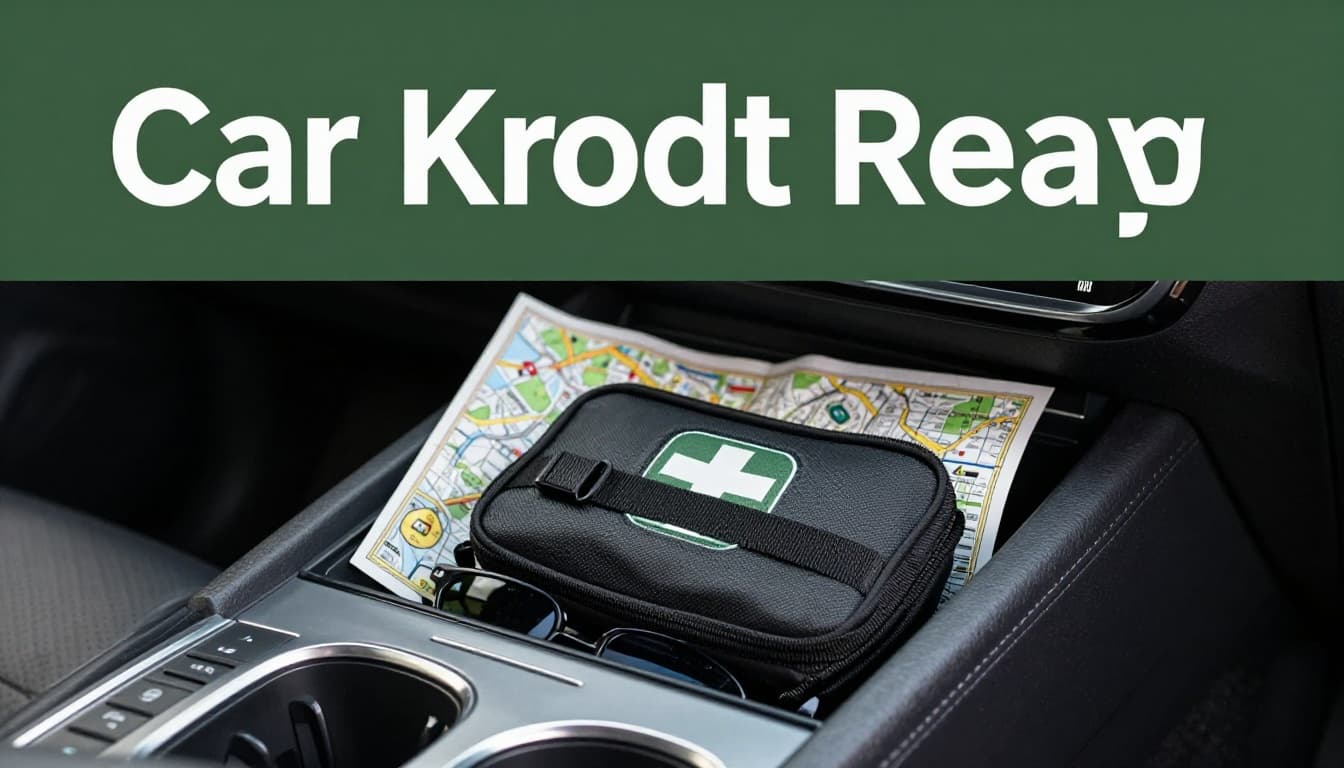
Keep it compact. Include tweezers for splinters, gloves, and pain relievers. For a full list, check the Red Cross emergency car kit guide. Rotate outdated meds. This habit keeps you road-ready.
Work and School Zones for Easy Kit Grabs
Workplaces need kits everywhere employees gather. OSHA requires supplies within a 3-4 minute walk. Place them near stairs, elevators, or break rooms. Signs make them obvious.
Multi-story buildings get one per floor. High-risk spots like factories need extras. No locks allowed. Everyone accesses them anytime.
Office and Factory Floor Must-Haves
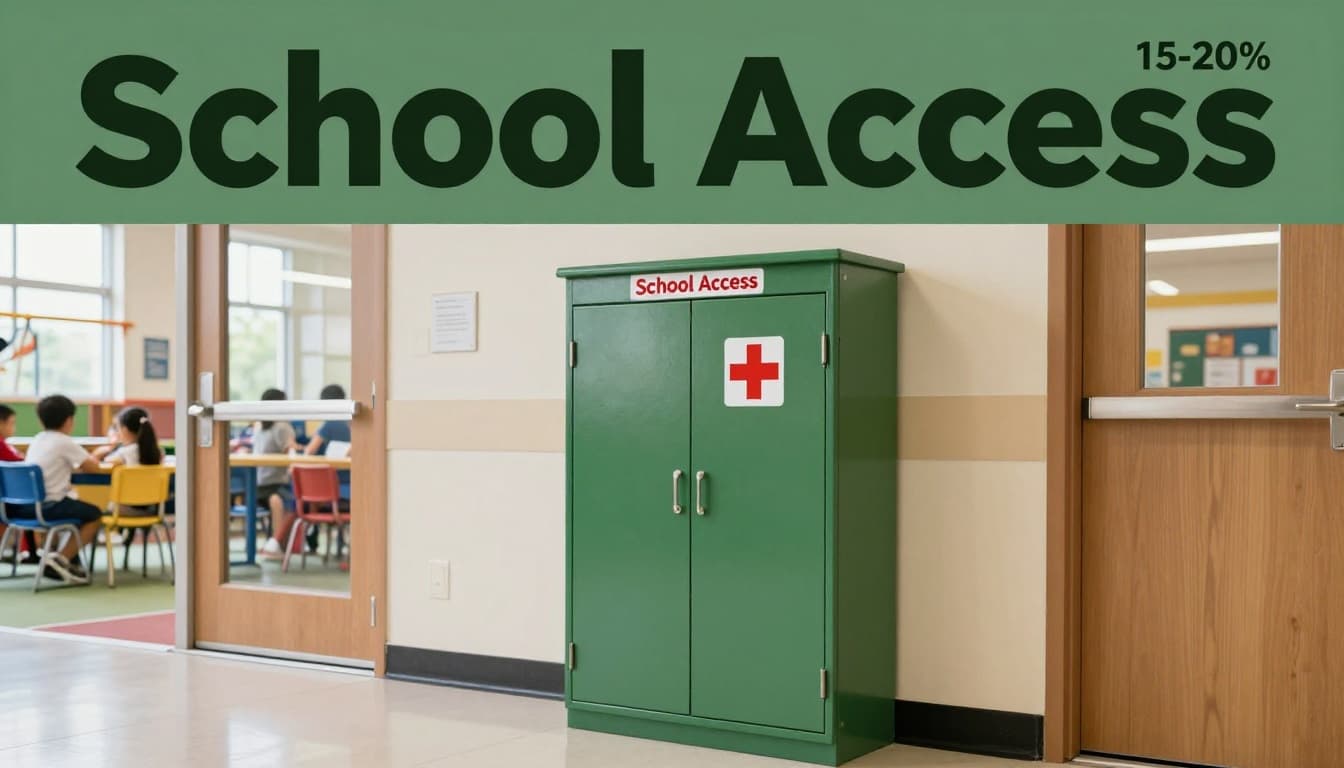
Offices suit kits near reception or kitchens. Factories place them by assembly lines. OSHA stresses visibility. Use wall mounts with green crosses.
Inspect weekly in high-hazard areas. For official rules, review OSHA’s workplace first-aid guide. Tailor contents to risks like chemicals or machines.
School Spots Where Kids Get Hurt Most
Schools position kits near playground doors and staff rooms. Entries see falls and scrapes. Teachers grab them fast for playground tumbles.
OSHA applies to staff, but kids benefit too. Keep them unlocked and signed. Nurse stations hold main supplies. Quick response cuts injury time.
Outdoor Adventures: Pack Light and Smart
Hikes bring twists, bug bites, or blisters. Carry a lightweight kit in your backpack. Waterproof pouches protect against rain.
Organize by type: one for wounds, another for allergies. This beats bulky home versions. Remote spots lack help, so self-aid rules.
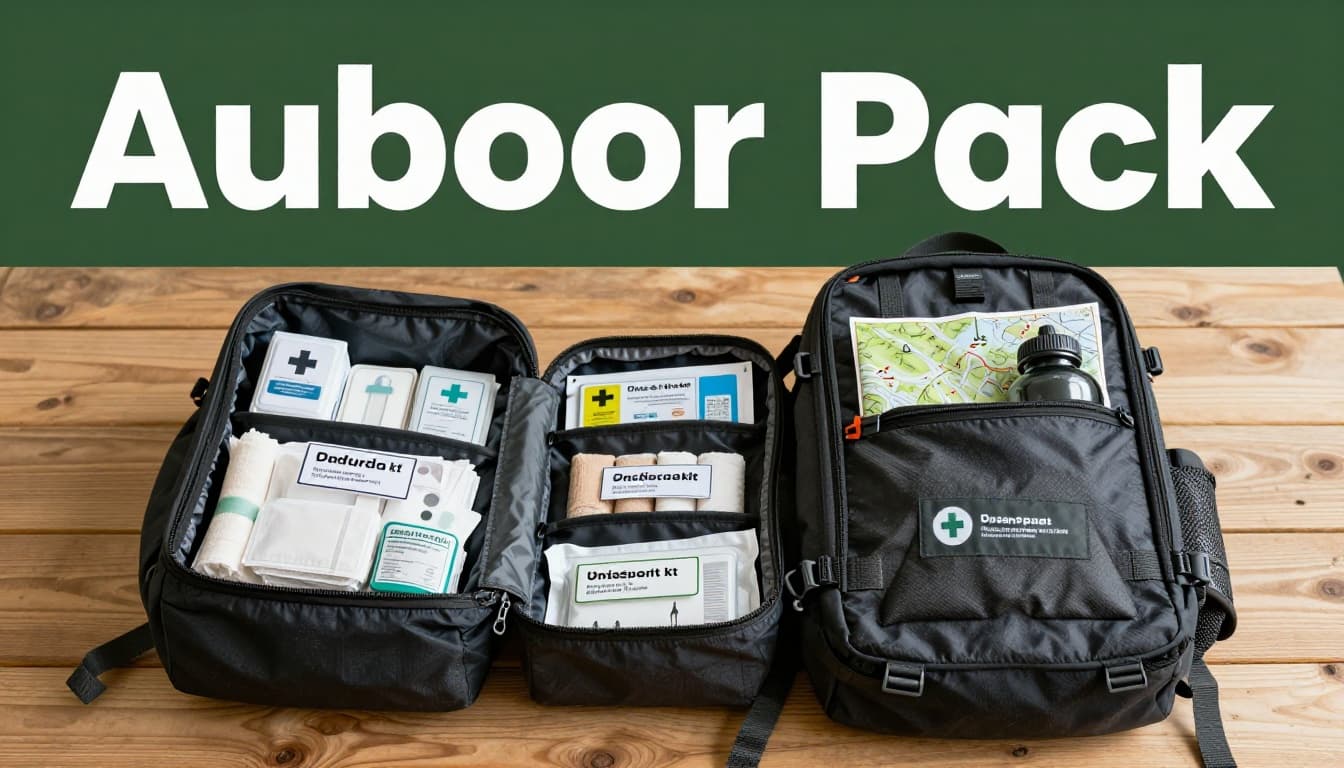
Include space blankets and whistles. Test zippers before trips. Families pack kid-sized items. Preparedness turns mishaps into minor stops.
Organization Tricks to Find Supplies in Seconds
Good spots fail without order. Use labeled compartments. Color-code: red for trauma, blue for meds.
Resealable bags group like items. Wall-mounted cabinets suit fixed areas. Family drills find them blindfolded. Restock after use or every six months.
Cool, dry rules apply everywhere. Sun and moisture ruin gels fast. Teach locations yearly. These steps make any first aid kit storage shine.
Ready to act? Audit your kits today. Move them to central spots if needed. Share locations with family or coworkers. Preparedness saves lives when seconds count. You’ve got this; small changes bring big peace. What’s your current kit spot?