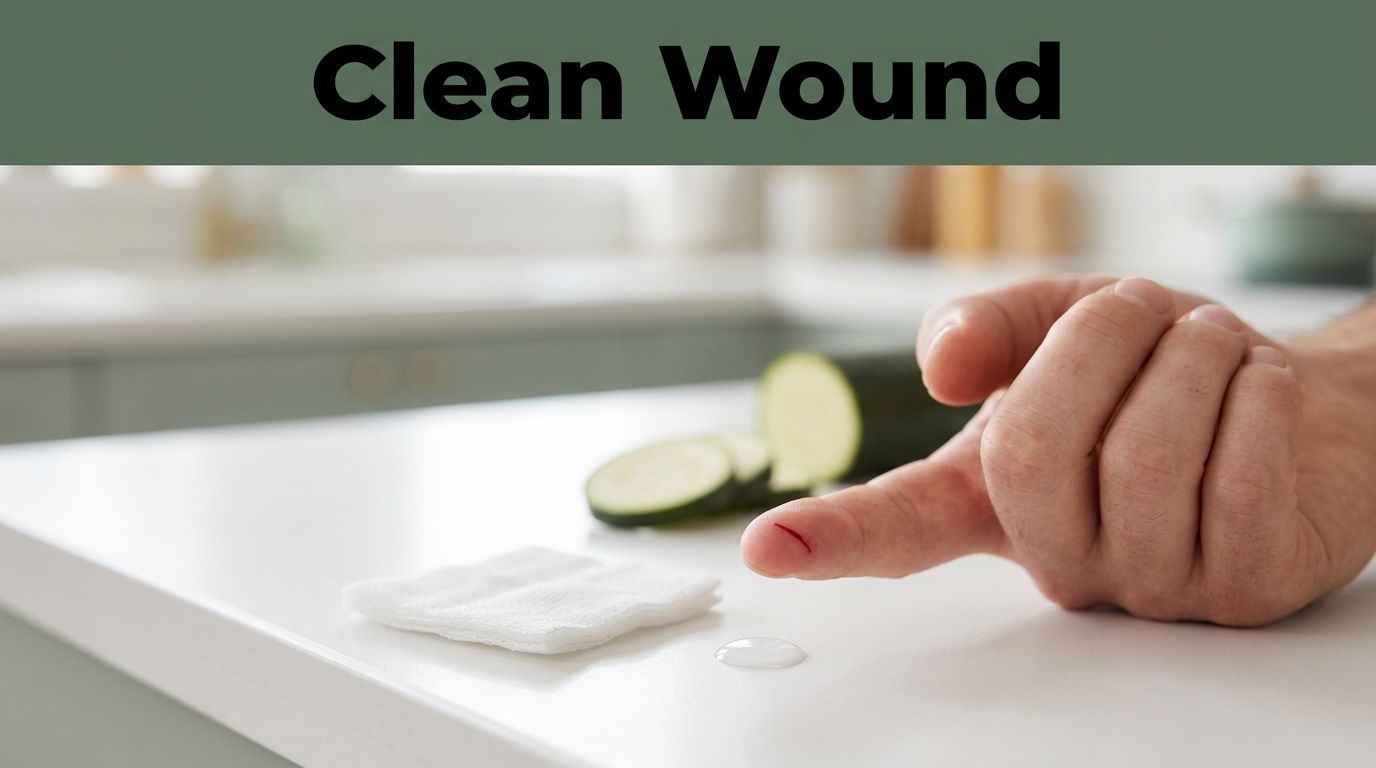
Picture this: you slice your finger while chopping vegetables. Blood flows, panic sets in. Proper cleaning stops germs right there. It speeds healing and keeps you from the doctor’s office.
You face a common issue. Bad habits lead to infections or scars. The proper way to clean a wound follows simple steps from CDC, Mayo Clinic, and Red Cross guidelines as of 2026. First, stop the bleeding. Then assess severity. Gather supplies next. Clean step by step. Add aftercare. Watch for warnings.
These steps make first aid easy. You stay safe at home. Let’s start with the basics.
Stop the Bleeding First to Set Up Safe Cleaning
Bleeding makes cleaning tough. Control it before you do anything else. Press firmly with clean gauze, tissue, or cloth. Hold for 5 to 10 minutes. Do not peek. That slows clotting.
If blood soaks through, add more layers. Never lift the first one. Elevate the area above your heart if possible. Mild bleeding actually helps flush out dirt naturally. For example, a small kitchen cut often stops on its own this way.
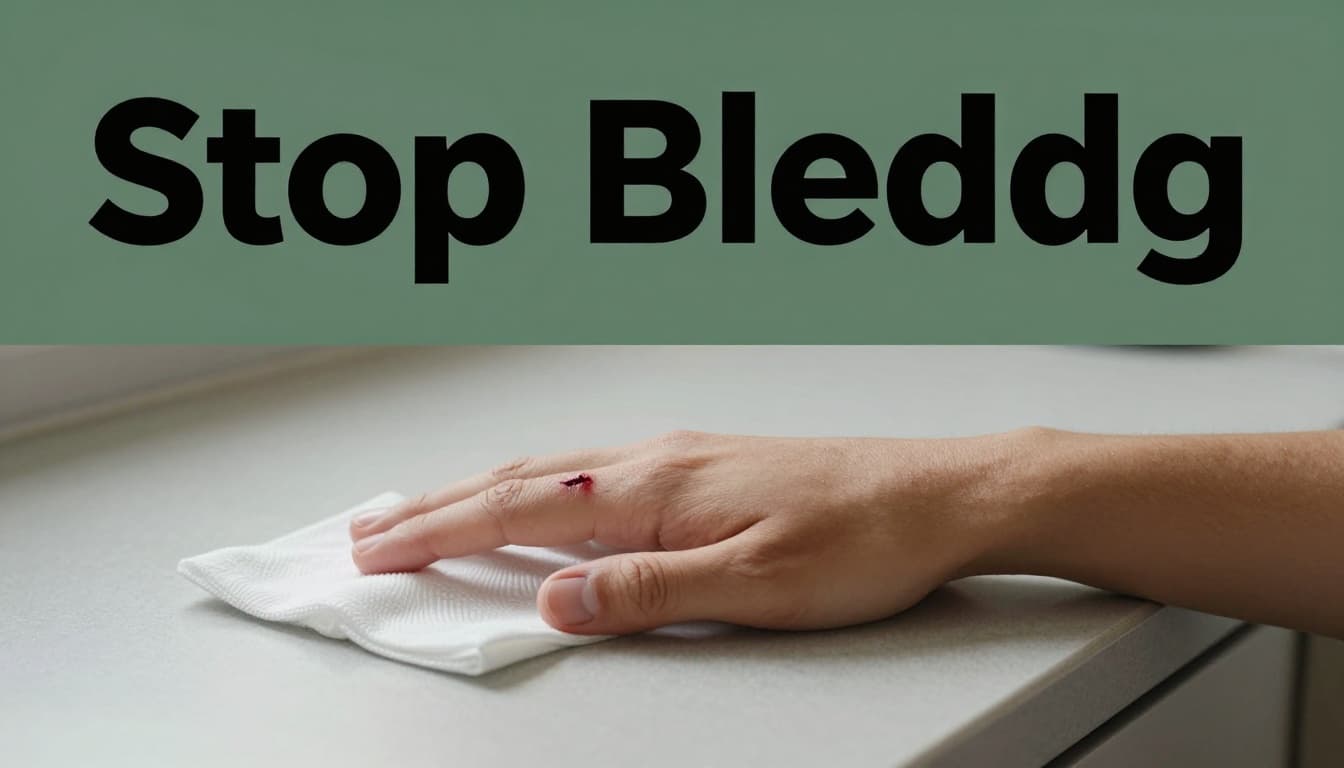
Tight bandages cut circulation. They cause more harm. Always check fingers or toes stay pink and warm. Red Cross stresses this step because uncontrolled bleeding hides debris. Mayo Clinic agrees: direct pressure works best for most cuts.
After 10 minutes, if it still spurts bright red, call 911. Spurts signal artery damage. You set up success by handling this first. Now check how bad things are.
Assess Your Wound to Decide Next Steps
Not all wounds need home care. Look closely. Is it shallow or deep? Size matters too. Gaps over half an inch on your face or trunk often need stitches.
Seek a doctor for punctures, animal bites, or dirty scrapes with soil or rust. Hand, foot, joint, or genital wounds raise infection risks. Nonstop bleeding after 10 minutes of pressure screams emergency. Numbness, exposed bone, or tendon? Get help fast.
Tetanus shots protect you. Clean wounds stay safe if boosted within 10 years. Dirty ones need it within 5 years. CDC updated this in 2026 for better prevention.
Infection signs include spreading redness, pus, warmth, fever, or chills. Red streaks mean trouble spreads. Kids with chest wounds or breathing issues need urgent care.
Use this quick check. Minor cuts heal at home. Serious ones save trips later. For details on cuts, see Mayo Clinic’s first aid for cuts and scrapes. Next, grab your supplies.
Stock These Simple Supplies for Effective Cleaning
You don’t need a fancy kit. Everyday items work fine. Start with clean running water, cool or lukewarm. It flushes debris best.
Add mild soap. It cleans edges without stinging. Sterile tweezers, wiped with alcohol, remove pebbles or glass. Stock gauze pads and bandages too. Antibiotic ointment or petroleum jelly keeps things moist. Medical tape holds it all.
Gloves protect if helping someone else. Scissors cut tape clean. These basics cover 90% of home wounds. Red Cross lists them for quick access.
Keep them in a drawer. No hydrogen peroxide or alcohol. They damage tissue. Shop once, stay ready. With supplies set, follow the cleaning steps.
Master the Step-by-Step Wound Cleaning Process
Wash your hands first. Soap and water for 20 seconds. Dry with a clean towel.
Rinse the wound under cool running water for 5 minutes. Let it flow freely. Dirt washes out. Use a washcloth with mild soap around the edges only. Never pour soap inside. It irritates healthy cells.
Spot visible debris? Tweezers help. Pull gently. Do not dig deep. Pat dry with gauze. Skip rubbing.
Apply thin antibiotic ointment if you want. It fights bacteria. Cover with a bandage. Change it daily.
Avoid old remedies. Hydrogen peroxide, alcohol, and iodine kill good cells too. Mayo Clinic warns against them. Follow doctor orders for surgical wounds.
Tailor to wound type. Cuts get ointment. Punctures need pro eyes soon.
Special Tips for Cuts and Scrapes
Shallow cuts rinse easy. Flow water over them long. Pat dry soft. Ointment keeps moist for fast healing. Bandage until scab forms.
Change if wet or dirty. Air helps later. But cover early to block germs. These heal in days.
How to Handle Puncture Wounds Carefully
Punctures trap bacteria deep. Rinse well under water. Do not suck or probe. That pushes germs in.
Skip ointment inside. See a doctor quick. For more, check Mayo Clinic’s puncture wound first aid. Clean right, but pros stitch if needed.
Nail Aftercare for Quick, Scar-Free Healing
Healing starts after cleaning. Cover until scab sets. Change daily or when soiled. Petroleum jelly locks in moisture.
Follow RICE: rest 48 to 72 hours. Ice 20 minutes on, 20 off, wrapped. Use snug compress. Check no numbness. Elevate often.
Pain or swelling? Recheck severity. Moist wounds scar less. Red Cross notes this boosts outcomes.
Watch daily. Good habits mean smooth skin soon. Now learn the warnings.
Spot These Red Flags and Get Help Fast
Act quick on dangers. Bleeding won’t stop after 10 minutes? Emergency room.
Deep, dirty, bite, or puncture wounds need pros. Infection shows as spreading redness, pus, warmth, fever, chills, or red streaks. Wound not better in two weeks? Doctor time.
Tetanus risks include spasms or outdated shots. Kids with trouble breathing? Call now. Early help stops big problems.
CDC stresses monitoring. Red Cross wound guide lists signs clear.
Dodge These Common Wound Cleaning Mistakes
Many repeat errors. First, skip peroxide or alcohol. They harm tissue. Use water and soap instead.
Don’t pick scabs. They protect new skin. Leave uncovered? Germs enter easy. Bandage small ones.
Tight wraps cut blood flow. Check circulation often. Ignore dirt? Infection brews. Flush it out.
Forget tetanus? Dirty wounds suffer. Boost if due. WebMD covers these pitfalls well.
Fix them. You heal faster.
Proper cleaning stops bleeding first. Assess next. Stock basics. Rinse safe. Care daily. Watch signs. Skip myths.
Bookmark this for next time. Share your close call in comments. What worked for you? Simple steps from 2026 experts keep you whole. Stay safe out there.