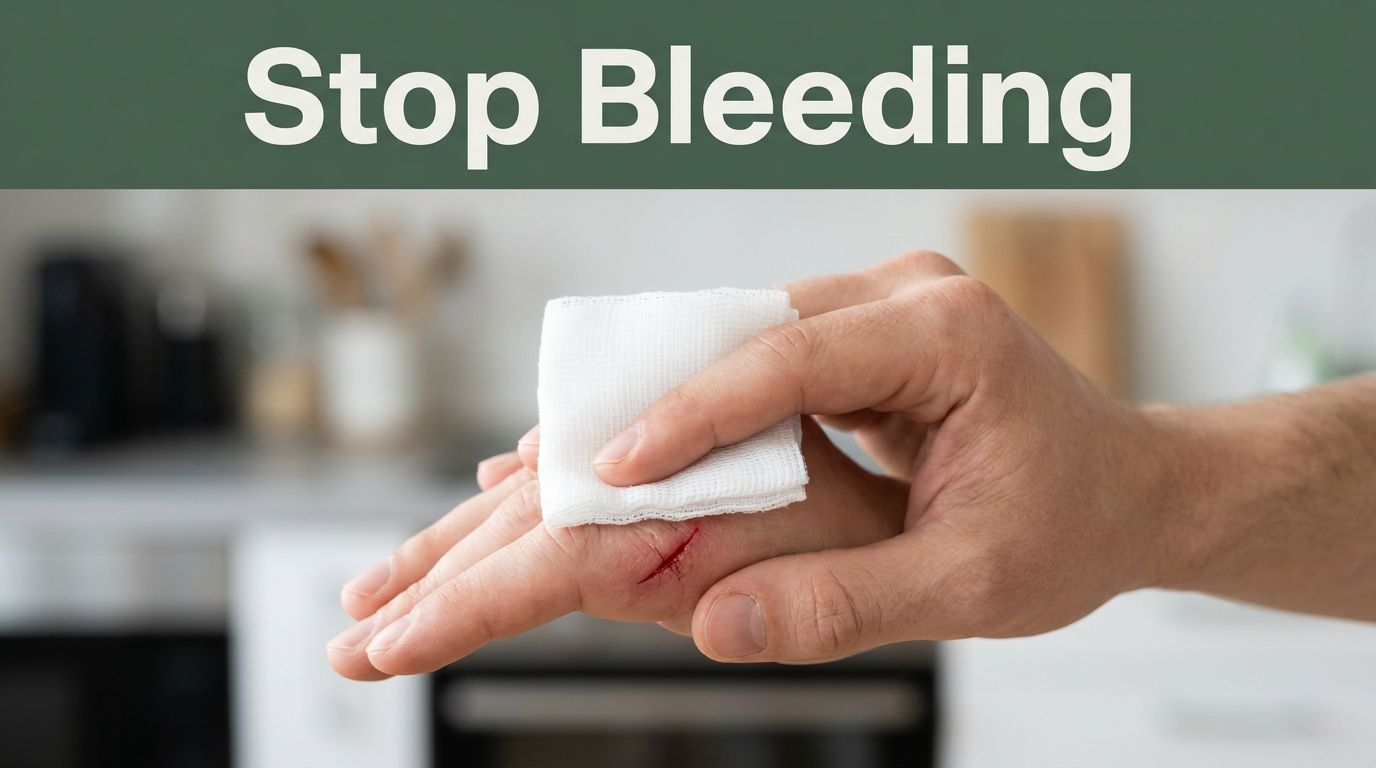
Picture this. You slip with a kitchen knife, and blood gushes from a deep cut on your hand. Or a child tumbles at the playground, scraping open a knee that won’t quit bleeding. These moments happen fast. Bleeding ranks as the top cause of preventable deaths after injuries. About 40% of trauma deaths tie to blood loss, and people can exsanguinate in just 3 to 5 minutes before help arrives.
Recent American Red Cross efforts highlight the gap. Volunteers responded to hundreds of emergencies in 2026 alone, saving lives with basic skills. You don’t need medical training to act. Simple steps like direct pressure and smart backups work for most cases at home or outdoors. Follow them, and you control the bleed until pros take over. Ready to build these life-saving habits?
Protect Yourself First Then Check the Wound
Safety tops the list every time. You can’t help if you get hurt or exposed to bloodborne germs. Start by scanning the scene for dangers like traffic, fire, or sharp objects. Step back if needed.
Put on gloves if you spot any nearby. No gloves? Use a plastic bag or clean cloth as a barrier over your hands. Never touch the wound with bare skin or your face. Wash up thoroughly after. These moves follow CDC wound care guidelines to cut infection risks.
Next, check the person. Are they alert? Breathing okay? Call 911 right away for spurting blood, unconsciousness, or chest wounds. Pinpoint the bleed source by gently moving clothing aside. Minor oozes need basic care. Bright red spurts or steady flows signal severity; act fast because clots form slower there.
Gather Essential Supplies Nearby
Grab what you need quick. Standard kits pack clean cloths, gauze pads, roller bandages, hemostatic dressings, gloves, and tourniquets if you’re trained.
Everyday swaps work too. Use a clean t-shirt or towel for gauze in a pinch. Schools and workplaces stock these now, thanks to laws like Missouri’s SB 68 Stop the Bleed Act. It mandates kits in high-traffic spots and yearly staff training by the 2025-26 school year.
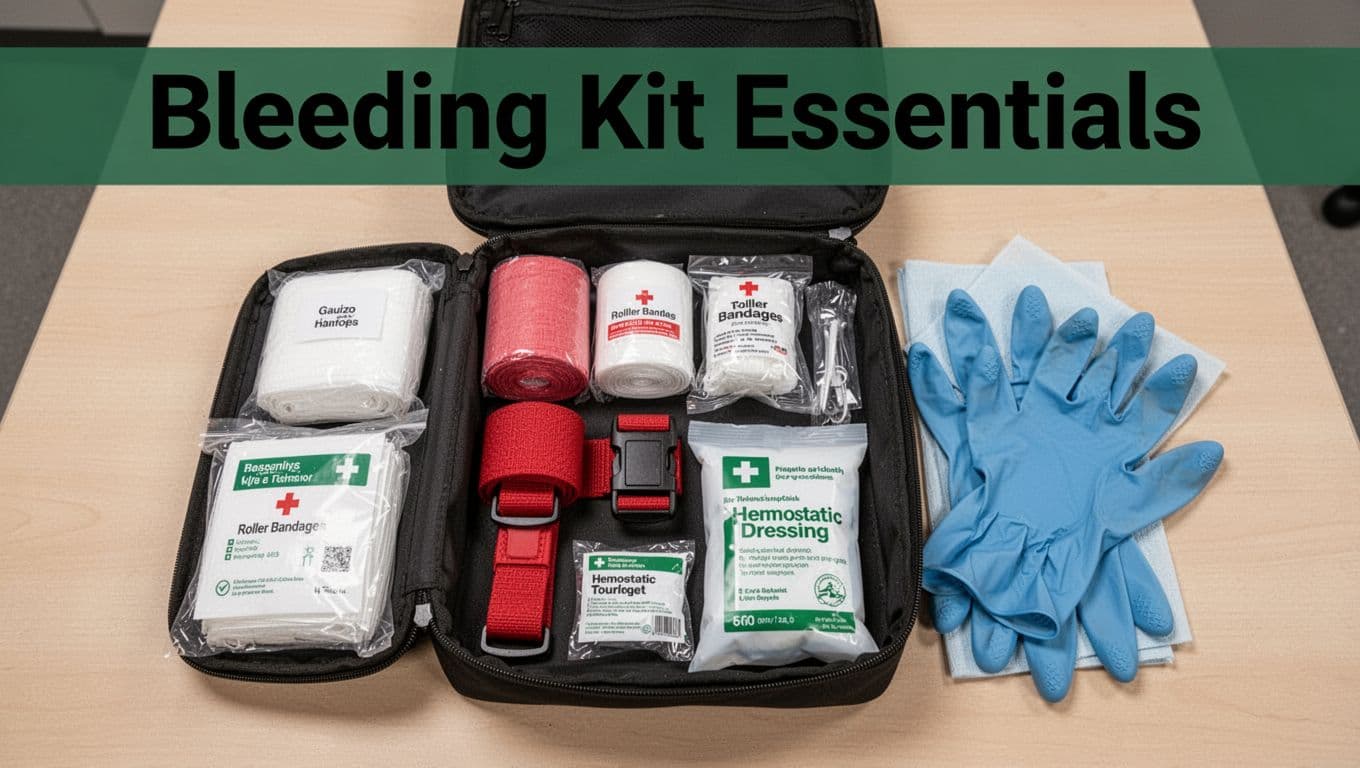
Prep one at home. It buys time and boosts confidence. Stock up from trusted sources like the DoD Stop the Bleed site.
Apply Direct Pressure to Stop Bleeding Fast
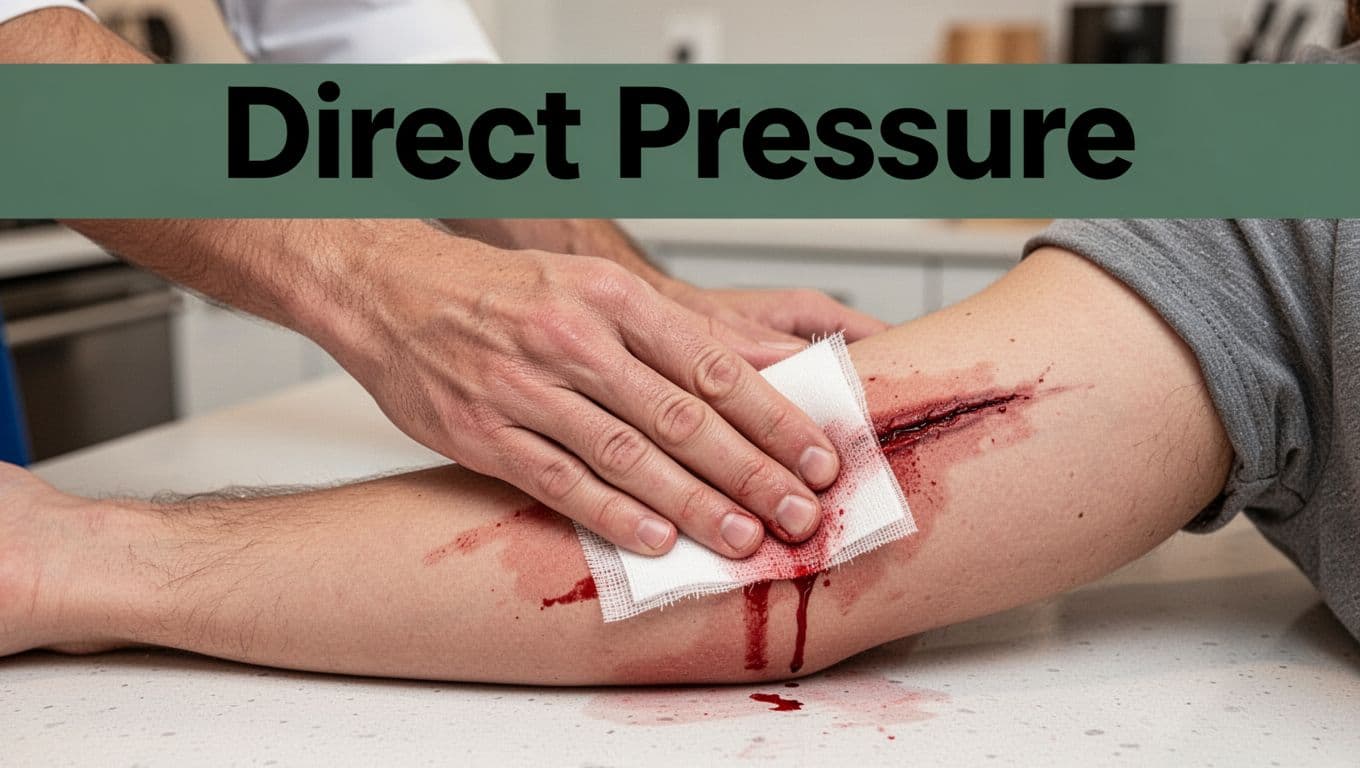
Direct pressure handles most bleeds. It works in minutes by squeezing vessels so clots build. Press the wound against a firm surface like the floor or table. Elevate arms or legs above heart level if no breaks block it.
Use your palm or fingers for steady force. Don’t peek early; lifting restarts the flow. Guidelines say hold at least 10 full minutes, or until bleeding quits or help shows. This beats old habits of quick checks, which disrupt healing.
Check circulation below the site often. Skin should stay pink, warm, and responsive to touch. Fingers or toes numb? Loosen slightly, then press again.
Cover and Press Right on the Source
Place a clean gauze or cloth over the spot. Find the exact bleed point first. Press flat and firm, like plugging a fast leak in a hose.
Hemostatic dressings speed clotting if available. They soak blood and form gels. Push with your whole palm for best results.
Keep it simple. Steady pressure trumps fancy moves.
Hold Steady and Watch for Soak-Through
Commit to the full 10 minutes. No peeks, because clots need uninterrupted time. Blood seeps? Layer more gauze on top. Never lift the bottom piece.
Talk to the person. Keep them calm and warm. Reassure them help comes soon. Most fails happen from quitting too early.
Secure It and Double-Check Blood Flow
Wrap a roller bandage snug over the dressing. Not too tight; you want one finger’s space underneath. Recheck color and feeling below right after.
Elevate if possible. Watch for fresh bleeding. If it restarts, add pressure and call for backup. This locks in your progress.
Tourniquets and Packing for Life-Threatening Bleeds
Save these for failures on limbs or tough spots like groin or scalp. Pressure first always. Wrong use causes damage, so train up. The Stop the Bleed program stresses kits in public now.
Tourniquets shine on arms and legs with unstoppable flow. Packing fills deep holes. Both buy hours until EMS arrives, key in rural spots where delays hit 20 minutes or more.
When and Where a Tourniquet Saves Lives
Use for spurting limb bleeds direct pressure can’t halt. Place 2 inches above the wound, never on joints. Tighten until bleeding stops and no pulse passes below.
Note the time on skin or tape. One-handed methods help if alone. See Red Cross tourniquet steps for details.
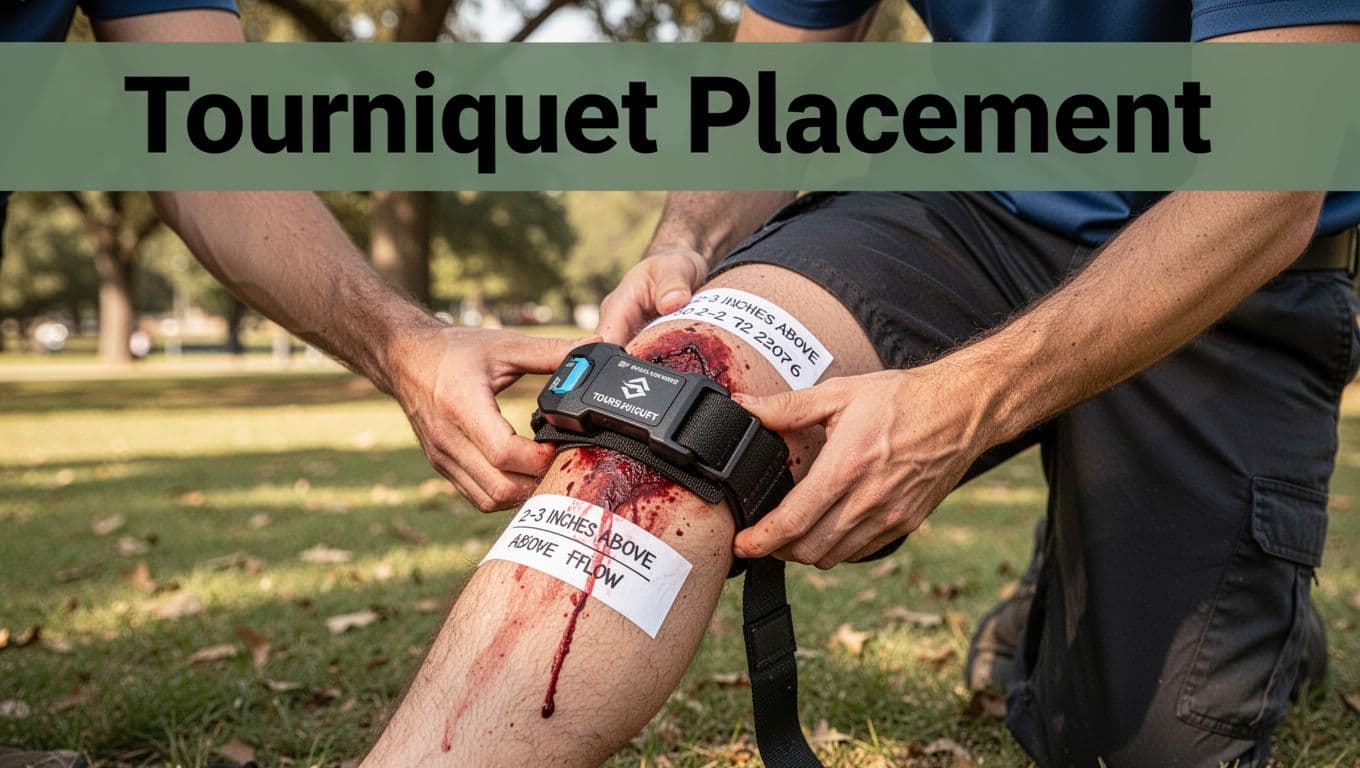
Don’t loosen it. Pain signals it works.
Pack Deep Wounds When Needed
For gashes or punctures, stuff gauze tight to fill the space. Push deep, then press over. Trained eyes spot when; others stick to pressure.
Clean fabric strips substitute if no gauze. Combine with external force for control.
Spot Trouble Early and Use 2026 Updates
Act now on red flags. Call 911 for head, neck, or chest bleeds; deep cuts showing bone; unconscious victims; spurting; multiples; or no stop after 10 minutes. Stay put, monitor breathing, keep them warm.
Common slips include early lifts, wrong pressure spots, or untrained tourniquets. Fix by practicing.
Laws push change. Missouri requires school kits and training. Federal funds aid police buys. Clotting agents prove rural savers.
Red Flags Demanding Instant Pro Help
Watch these signs:
- Spurting bright blood (artery hit).
- Unconscious or shock signs like pale skin, fast pulse.
- Wounds on torso, neck, or head.
Staying helps survival odds. Watch post-care for infection: redness, pus, fever.
Fresh Tips from This Years Guidelines
Trauma kits hit schools and jobs. Free Stop the Bleed courses abound; check Red Cross FAST training. Hold pressure 10 minutes firm. Tourniquets on limbs only.
Get certified. It equips you.
Direct pressure starts every response. Tourniquets back it up wisely. Call pros without delay. Build your kit today and take a class. You hold power to stem bleeds fast. Every second counts; you could save a life. Share these tips to spread safety.