Picture this. You’re at a backyard barbecue. Your friend suddenly sways, grabs the table, then slumps to the ground. Everyone freezes. Fainting hits fast. It happens when your body cuts blood flow to the brain for a short time. Most cases last seconds or a minute.
You don’t need to panic. Quick action keeps them safe and speeds recovery. This guide pulls from the latest Red Cross and Mayo Clinic first aid steps for fainting. These match 2026 guidelines with no big changes since recent updates. You’ll get clear steps for everyday folks, not just pros. Act now to spot signs, position right, and know when to call help.
Catch the Warning Signs Early to Prevent a Fall
Spots early clues before they drop. Dizziness often starts it. Nausea follows close behind. People turn pale or sweaty too.
Blurred vision hits next. Ringing in the ears buzzes loud. They might say, “I feel faint.” These signs scream action.
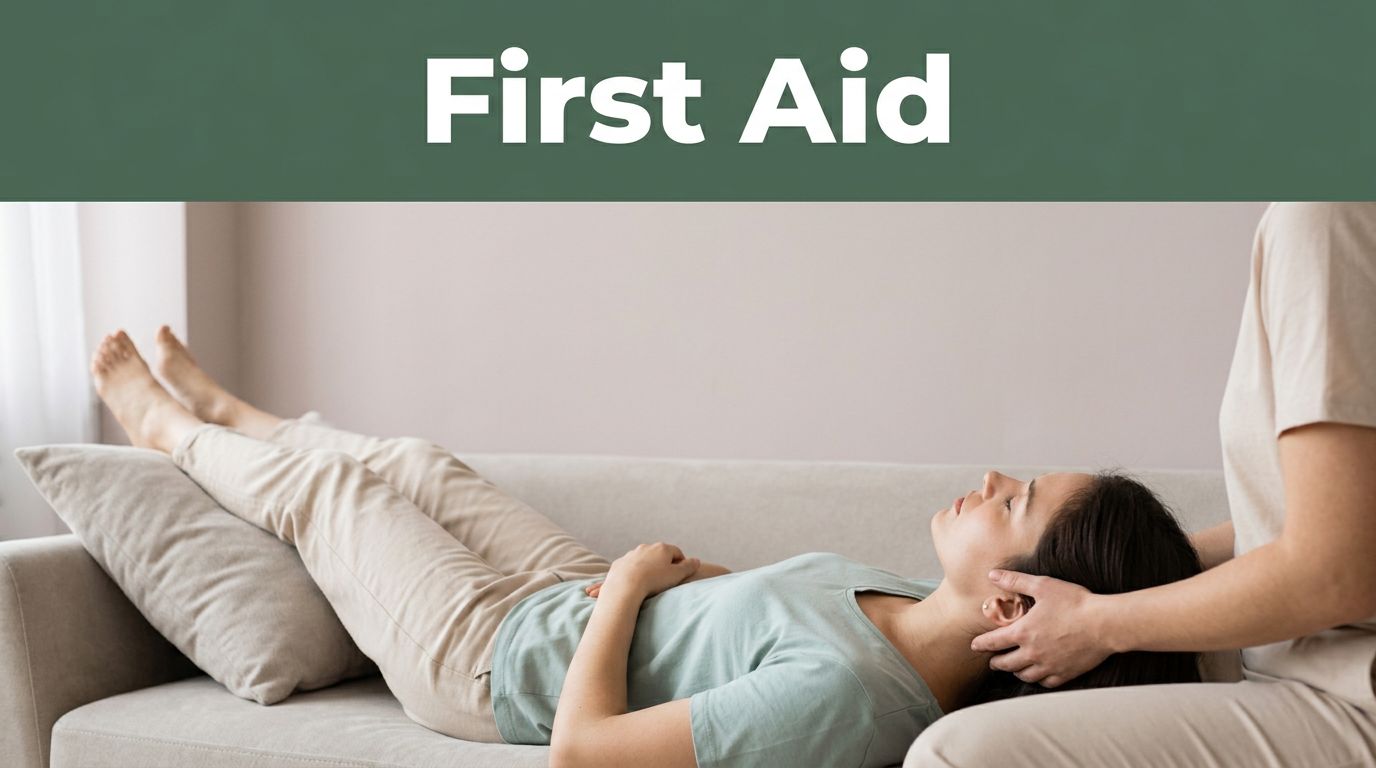
Help them lie down fast. Raise their legs 12 inches above heart level. This rushes blood back to the brain. Fresh air helps a lot. Loosen tight collars or belts around the neck and waist.
Monitor their breathing. Stay calm because most faints stop here. One time, a hiker felt dizzy on a trail. His buddy lowered him gently. No fall, no injury.
- Dizziness or lightheadedness
- Nausea or upset stomach
- Pale or sweaty skin
- Blurred vision
- Ringing ears
- Feeling like they might pass out
Act in seconds. For full details, check the Red Cross fainting resource.

Step-by-Step First Aid the Moment They Collapse
They hit the ground. First, check the scene. Make sure it’s safe for you. No traffic or hazards nearby.
Tap their shoulder. Shout their name. See if they respond in under 10 seconds. Look for normal breathing. Chest rises and falls steady.
If they breathe and show no injuries, lay them flat on their back. Elevate legs 12 inches above the heart. Loosen tight clothes.
Here are the numbered steps from Red Cross basics:
- Ensure the area stays safe.
- Tap and shout to check response.
- Look, listen, feel for breathing up to 10 seconds.
- Call 911 if no response or breathing issues.
- Position as needed (details below).
- Stay and monitor until help arrives.
Do not rush them upright. That triggers another faint. Myths like slapping or smelling salts waste time.
Positioning Them Safely on the Ground
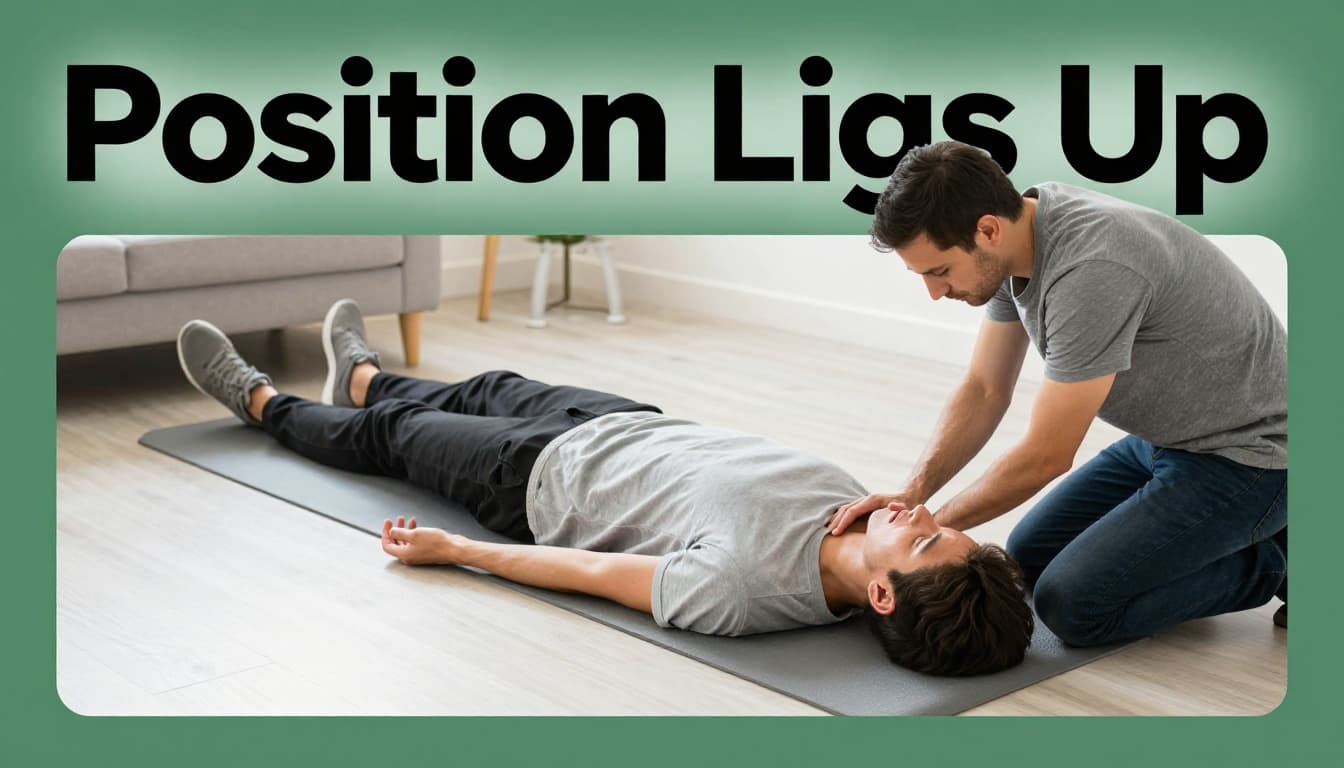
Flat on the back works best if they breathe normal. Legs up boosts oxygen to the brain quick. Use a chair or ottoman for elevation.
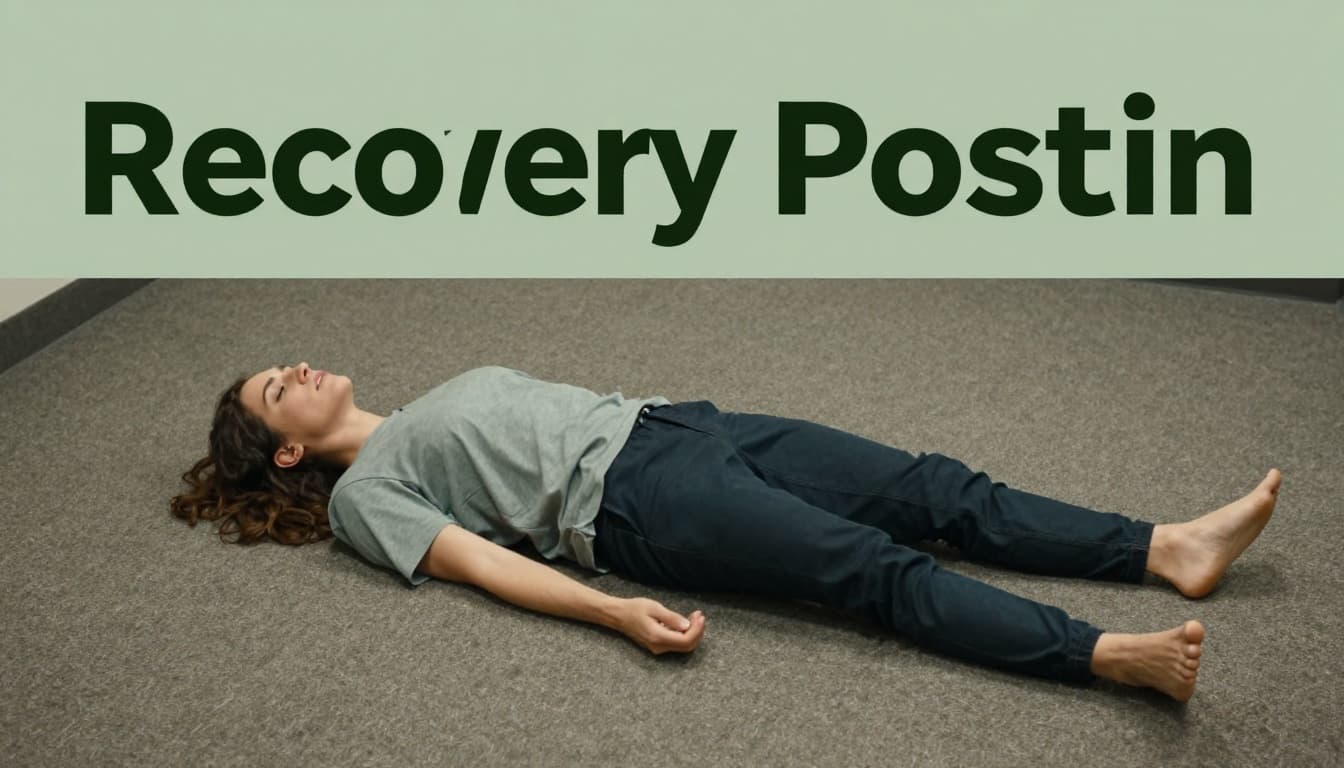
If vomit or blood blocks the mouth, roll to recovery position. Place on side. Bend the top knee for stability. Tilt head back to open airway.
Check for head or neck injury first. Do not move if you suspect spine damage. Bystanders watched this in a store once. Proper side roll cleared fluids fast.
What Not to Do During Those First Minutes
Skip slapping or shaking hard. It causes harm. No smelling salts either. Those jolt the body wrong.
Gently tap the shoulder. Call their name soft. Avoid propping them up. Gravity pulls blood away then.
These old tricks delay real care. Stick to checks and position.
Call 911 Now: Spot These Danger Signs Fast
Some faints signal trouble. No wake-up in one minute means dial 911. Slow or no breathing demands it too.
Watch for blue lips or face. Chest pain screams heart issue. Trouble breathing or irregular pulse needs help now.
Confusion after waking? Call anyway. Unresponsive over two minutes? Get EMS fast.
- No consciousness after 1 minute
- No or slow breathing
- Blue lips or face
- Chest pain or shortness of breath
- Irregular heartbeat
- Confusion or hard to wake
Even if they stir, see a doctor for first faints or repeats. Heart problems hide as simple passes out.
Once They’re Awake: Guide Their Gentle Recovery
They open eyes. Reassure them right away. “You’re okay. Rest here.”
Help sit up slow. Lean against you or a wall. Wait 10 to 15 minutes. Offer fruit juice if they skipped meals. Low sugar plays a role often, especially in diabetes.
Stay close. No driving or big moves yet. Hydrate with small sips of water.

Checking for Hidden Injuries from the Fall
Inspect head for bumps. Look at arms and legs for cuts or bruises. Press gently on sore spots.
Control bleeding with clean cloth and pressure. Ice swells for 10 minutes. Seek medical help for deep cuts or big lumps.
Head hits ground hard sometimes. Watch for dizziness that lingers.
Unlock the Mystery: Causes, Prevention, and Fainting Myths Busted
Low blood pressure triggers many. Dehydration dries you out fast. Skipping meals drops sugar low.
Standing up quick pools blood in legs. Stress or heat adds risk. Most pass quick, but repeats need a checkup.
Prevent with habits below. Myths trip people up too.
| Myth | Fact |
|---|---|
| Catch them upright | Let them fall safe; don’t risk your back |
| Shake or slap awake | Gently tap; shaking hurts neck |
| Smelling salts work | Skip them; position helps more |
| Always from fear | Often dehydration or low sugar |
Recurring faints? See a doctor always.
Simple Daily Habits to Stop Fainting Before It Starts
Drink water steady. Aim for half your weight in ounces daily. Eat small meals often.
Rise slow from chairs. Sleep seven to eight hours. Wear loose clothes. Manage stress with walks.
These cut risks big time. Like the hiker who hydrated after.
Spot those early signs and position right. Call 911 for danger clues like no breathing. Guide recovery gentle and check injuries.
Take a Red Cross first aid class soon. It builds confidence. Simple steps save lives most times.
Share your story below. Ever helped someone faint? Most cases end well with your know-how. Stay ready.