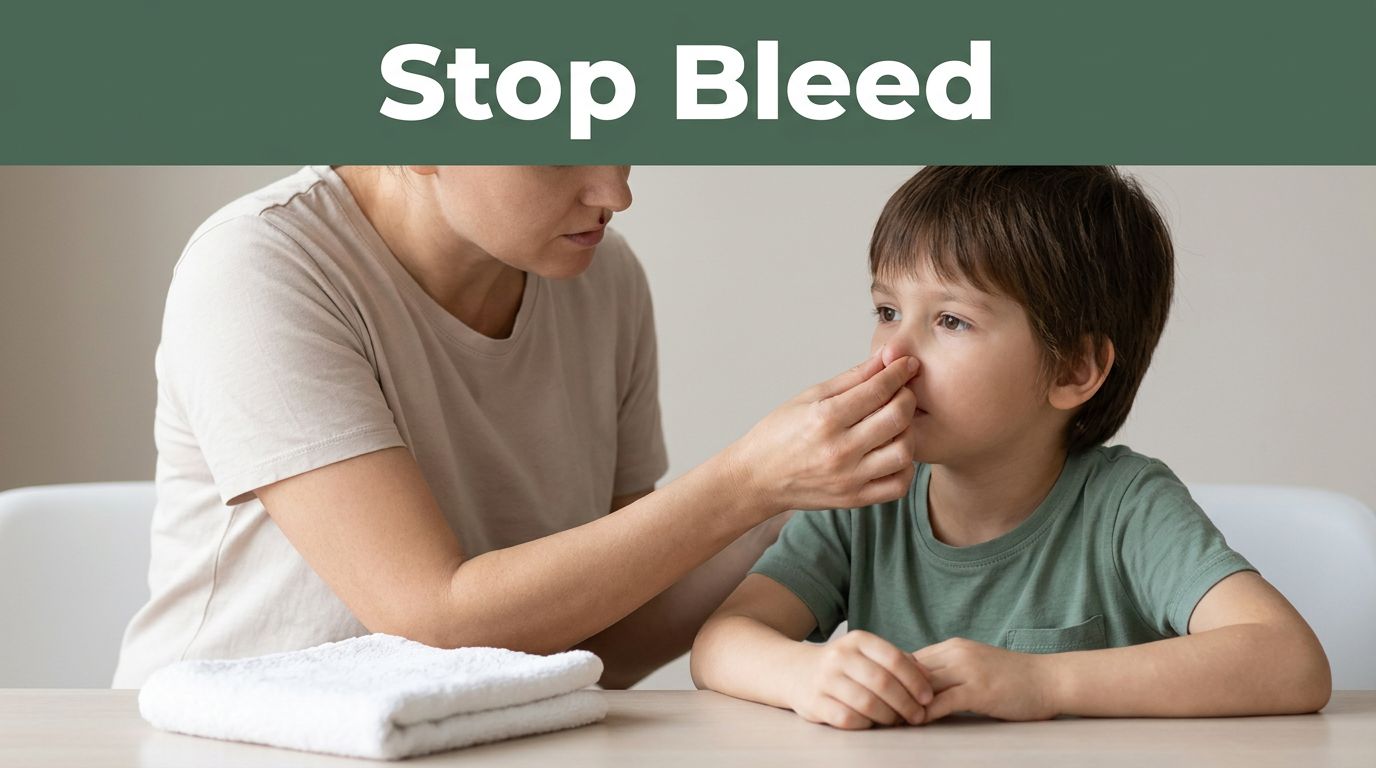
Picture this. You’re at the dinner table with family. Your child suddenly clutches their nose. Blood drips onto the plate. Panic hits everyone fast. Hearts race. Towels fly. But nosebleeds happen to most folks at some point. They strike kids and adults alike.
These bleeds usually come from tiny vessels in the front of the nose. Dry air or a bump often sets them off. Good news? You can stop them at home most times. No need for drama. This guide walks you through the steps to handle a nosebleed right. You’ll learn the exact sequence, plus when to call a doctor, prevention tricks, and pitfalls to skip. Stay calm. You’ve got this. Let’s jump in.
Quick Facts: What Triggers a Nosebleed Anyway?
Nosebleeds pop up for simple reasons. Dry air tops the list. Think winter heaters sucking moisture from rooms. Your nose lining cracks. Blood flows.
Kids pick their noses. Adults blow too hard during colds. Allergies swell passages. Minor bumps from play or falls do it too. Colds clog things up. Forceful sneezes add pressure.
Rarer causes include blood thinners or high blood pressure. But most nosebleeds stay minor. They start in the front part called anterior. Easy to pinch off. Back ones prove tougher. Still, knowing triggers helps. It shows why the right steps work fast.
For more on everyday causes, check WebMD’s breakdown of nosebleed triggers.

Your 5-Step Plan to Stop a Nosebleed Right Now
Act quick but calm. Time matters. Most stop in 10 to 15 minutes. Follow these steps from sources like Mayo Clinic and Cleveland Clinic. Breathe easy. It works.
Step 1: Sit Up Straight and Lean Forward
Grab a chair. Sit upright. Lean your head slightly forward. Let blood drip out. Don’t tilt back. Breathe through your mouth.
This position drops pressure in nose vessels. Blood stays out of your throat. No upset stomach or choking risk. Kids hate the taste anyway. Reassure them. It feels weird but helps fast.
Step 2: Clear Your Nose Gently
Take a soft tissue. Blow one nostril at a time. Go easy. Just once or twice. Clear clots or mucus.
Hard blows restart the bleed. Gentle clears the path. Now pressure works best. Skip if it hurts too much.
Step 3: Add a Decongestant Spray If You Have One
Got Afrin or oxymetazoline? Spray 2 to 3 times in the bleeding side. Or soak a cotton ball. Stuff it lightly.
It shrinks vessels quick. Pressure seals better. Over-the-counter stuff. No spray? Skip ahead. No big deal.
See Mayo Clinic’s first aid for nosebleeds for details.
Step 4: Pinch and Hold Firmly
Use thumb and index finger. Pinch the soft part just above nostrils. Both sides. Squeeze like a hose clamp.
Hold 10 to 15 full minutes. Time it. No peeking. Breathe through mouth. Drips go in a tissue.
Direct pressure collapses the vessel. It clots shut. Most stop here. Imagine helping a scared kid. Talk soft. Count together.

Step 5: Check and Repeat If Needed
Time’s up. Let go slow. Still bleeding? Repeat spray and pinch. Up to 30 minutes total. Add ice on nose bridge. It constricts vessels.
Done? Great. Relax. Follow aftercare next.
After the Bleed Stops: Smart Moves for Quick Healing
Bleed stopped. Don’t celebrate yet. Treat gentle. No nose blowing or picking today. Skip heavy lifting or bending.
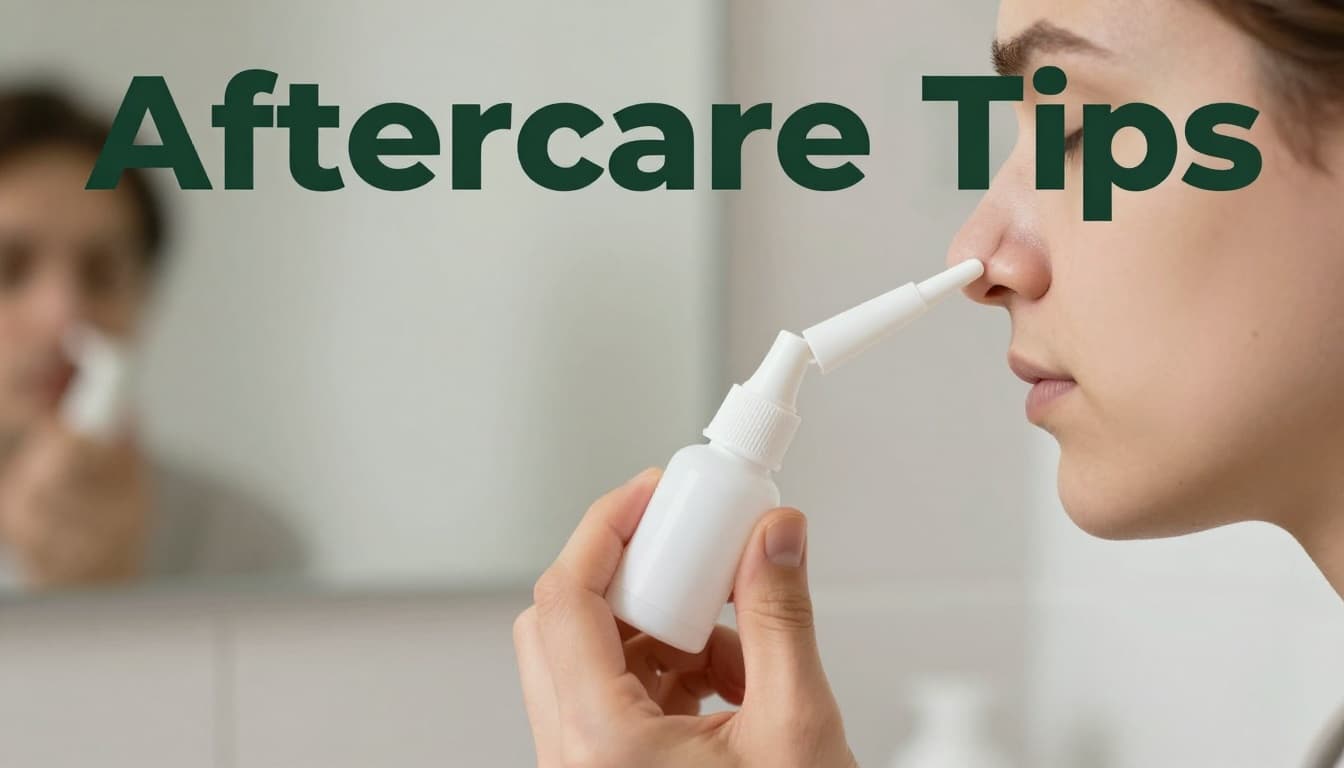
Moisturize inside nostrils. Use saline spray, gel, or petroleum jelly. Cotton swab helps. Do it 2 to 3 times daily for 1 to 2 weeks. Humidifier fights dry air too.
This keeps lining soft. No cracks mean no re-bleeds. Simple habit pays off.
Warning Signs: Rush to the Doctor When This Happens
Most nosebleeds end easy. Some signal trouble. Watch close.
Head to ER if bleeding lasts over 30 minutes after two tries. Large loss leaves you dizzy or weak? Go now. Trouble breathing or recent head injury? Call 911.
Frequent bleeds worry doctors. Kids under 2 need checks. Pinching fails on back bleeds.
Options include cauterizing or packing. Better safe. Most skip ER though.
- Bleeding >30 minutes despite efforts
- Dizziness, weakness from loss
- Breathing issues or injury
- Happens often or in young kids
Cleveland Clinic details nosebleed treatment.
Prevent Nosebleeds Before They Start
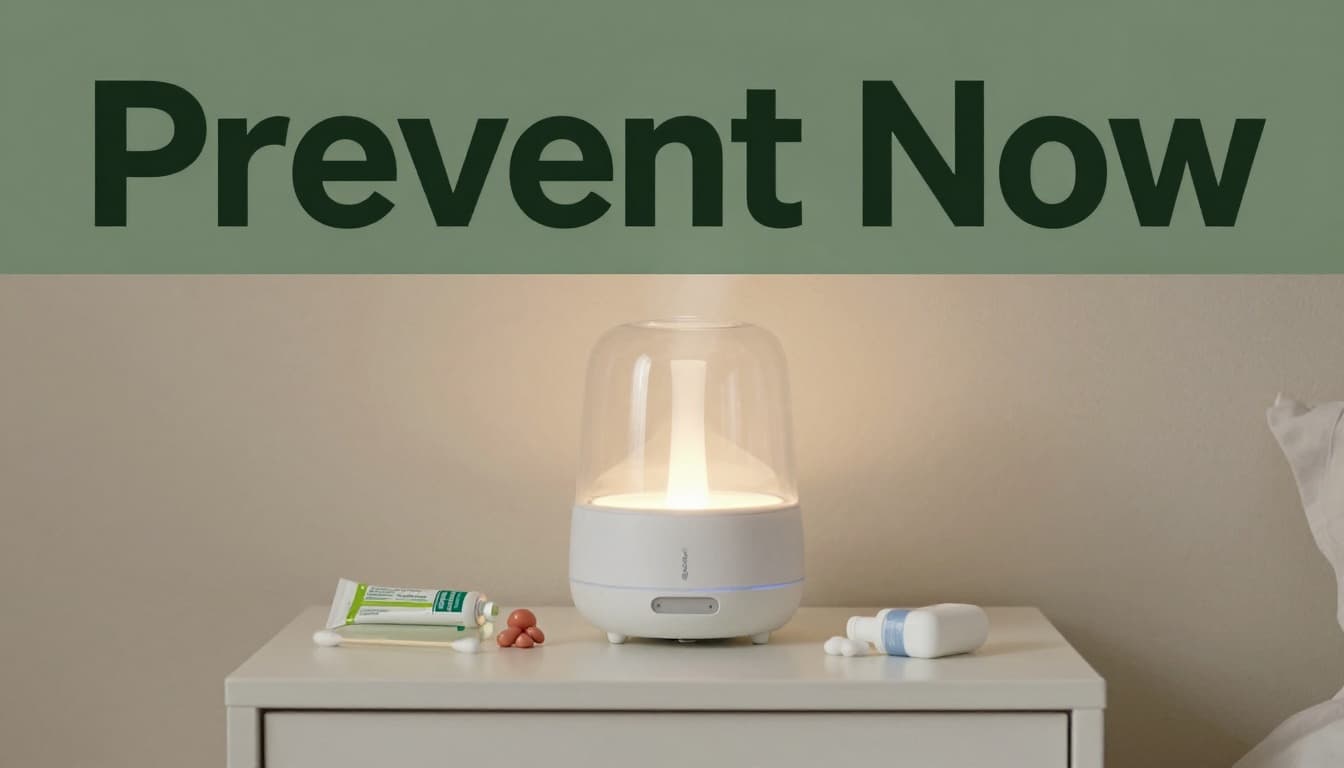
Stop them cold. Run a humidifier in dry rooms. Add moisture year-round.
Dab petroleum jelly or saline inside nostrils daily. Use a swab. Trim kids’ nails short. No picking.
Blow gentle during colds. Allergy meds help swell. Family routine works wonders.
For prevention strategies, see Cleveland Clinic’s nosebleed overview.
Top Mistakes That Restart a Nosebleed (And How to Dodge Them)
We’ve all slipped. Leaning back swallows blood. Upset follows. Lean forward instead.
Releasing before 10 minutes? Vessel reopens. Time it fully.
Hard blowing right after clears clots wrong. Wait a day.
Lying down rushes blood back. Sit upright first.
Light fixes keep you dry. No restarts.
These steps to handle a nosebleed pack power. Sit forward, pinch firm, hold long. Most end quick at home. Print this for the fridge. Share with parents.
Ever stopped one mid-dinner scare? Drop your story below. Kids get them too. Simple habits prevent most. Stay ready. You’ve got the tools now.