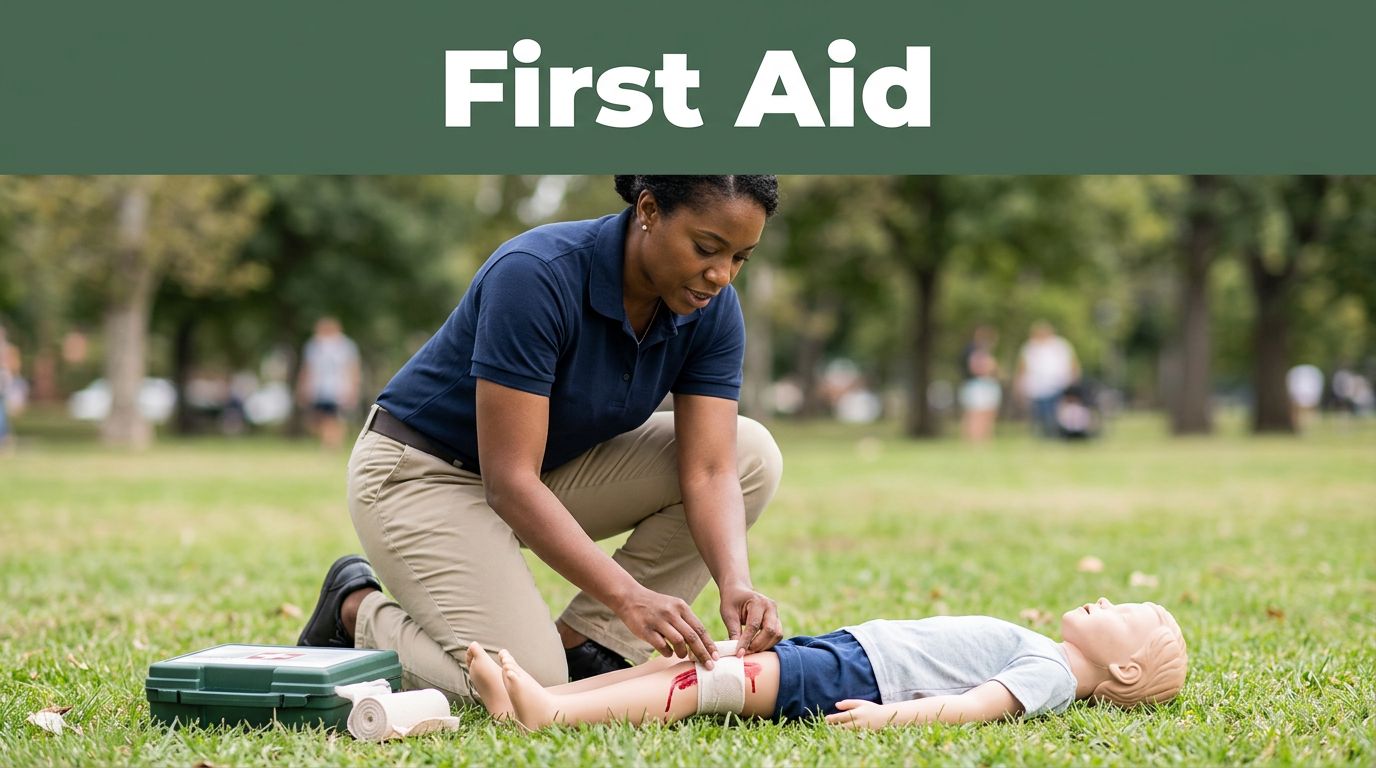
Picture this. You’re at a community park picnic. A kid falls off the swings and gashes his leg bad. Blood flows fast. You grab a shirt, press hard, and stop it before help arrives. That kid walks away fine because you knew basic first aid. Stories like this happen every day. They show why you should teach these skills to others.
Families, coworkers, or scout groups gain huge confidence when they learn first aid. It saves lives in real moments. Plus, groups stay calmer under pressure. Now, in April 2026, the American Red Cross and American Heart Association offer updated guidelines. These cover CPR at 100 to 120 compressions per minute, new opioid responses, and better bleeding control.
This guide walks you through teaching basic first aid. You’ll learn how to prepare lessons, cover key skills from the latest rules, use hands-on tricks, and test your group. Start small, and you’ll equip people to act fast.
Prepare Your First Aid Lesson for Maximum Impact
Good prep sets up success. First, check your group’s age and needs. Beginners or kids under 12 need simple demos. Adults handle more details. Tailor for workplaces or families with infants.
Gather supplies next. You need CPR manikins, AED trainers, tourniquets, and trauma kits. Also stock epi pens for demos and naloxone trainers. Apps with metronomes help keep CPR rhythm steady. Hands-on gear makes learning stick.
Review the latest guidelines. The Red Cross and AHA updated CPR science in 2025 and 2026. For example, focus on full chest recoil and minimal pauses. Check their sites often for changes.
Set up a safe space. Clear floors prevent trips. Get certified as an instructor too. The American Red Cross offers training courses to qualify you fast.
Use blended learning. Assign online theory first. Then do in-person practice. For small groups, pair people up. Start kids at age 12 with fun drills. Follow the Practice As You Perform method. Teach a step, then practice right away.
Here’s a quick prep checklist:
- Assess group size and skill level.
- Buy or borrow manikins and trainers.
- Print guideline sheets from Red Cross/AHA.
- Book a room with open space.
- Prepare scenarios on cards.
This approach keeps sessions smooth. Everyone stays engaged because prep matches their needs.
Choose Supplies That Make Practice Realistic
Pick gear that mimics real emergencies. CPR manikins with feedback lights show good depth and rate. The Red Cross store sells Prestan adult manikins with AED sets. Dummies for choking let groups practice back blows safely.
Add tourniquets and wound-packing trainers. Epi pen and naloxone nasal spray demos build comfort. Real-time devices give scores on compressions. Metronome apps play the right beat.
Why does this matter? Hands-on items boost retention by 75 percent. People remember better when they touch and feel. Skip cheap toys. Invest in durable supplies for repeat use.
Budget tip: Start with basics. Add tech later. Your group will thank you for realistic practice.
Set Up a Space Where Everyone Can Practice Safely
Choose a wide-open area. Mark stations for CPR, bleeding, and choking. Limit groups to four per station to avoid crowds.
Plan rotations every 10 minutes. Use mats for floor work. Keep pathways clear for two-rescuer drills. Post emergency numbers on walls.
For kids, add colorful signs. Ensure good lighting and ventilation. Test equipment before class. A safe setup lets everyone focus. No one worries about bumps or confusion.
Focus on These Life-Saving First Aid Skills
Stick to core skills from 2026 Red Cross and AHA guidelines. Teach the Chain of Survival first: call 911, push hard and fast, defibrillate early, care after. Cover differences for adults, kids, and infants.
Start with CPR and AED. Then bleeding, choking, burns, overdoses, and allergies. Keep explanations short. Demo each step slowly.
Practice matters most. Groups learn by doing, not just watching.
Teach CPR and AED the Right Way Every Time
Begin with scene safety. Tap and shout. No response? Call 911 and get AED.
For adults, do 30 compressions at 100 to 120 per minute. Push at least two inches deep in chest center. Let it fully recoil. Give two breaths: tilt head, lift chin, seal mouth over mouth, pinch nose. Chest rises with each one-second breath. Repeat 30:2.
Kids need same rate but one to two inches deep. Infants use two fingers, one-third chest depth. Minimize pauses under 10 seconds.
AED: Turn on, follow voice prompts. Place pads one on upper chest, one on side. Clear for shock. Resume CPR right after.
Two-rescuer for kids: one compresses, one breathes. Switch every two minutes. Stress hard and fast. This matches AHA’s 2026 updates.
Stop Bleeding Fast with Proven Techniques
Life-threatening bleeds kill fast. Check for them first.
Apply direct pressure with cloth or hand. If it soaks, pack the wound deep, then pressure again. Elevate the limb if no breaks.
For arms or legs that won’t stop, use a tourniquet. Place two to three inches above wound. Tighten until bleeding stops. Note time.
Follow Stop the Bleed methods. Practice packing on simulators. Time it under two minutes. Severe cases need this speed.
Handle Choking and Breathing Emergencies
Ask, “Are you choking?” If they nod and can’t cough or talk, act.
Adults and kids: Give five back blows between shoulder blades. Follow with five abdominal thrusts. Fist above navel, thrust in and up. Repeat.
Infants: Support head. Give five back blows, then five chest thrusts with two fingers. Check mouth if unconscious, start CPR.
Never do blind sweeps. Repeat until clear or they pass out.
Cover Burns, Overdoses, and Allergic Reactions
Burns: Cool with cool water for at least 10 minutes. No ice. Cover loosely with clean cloth. Call 911 for big areas or face burns.
Opioid overdose: If no breathing, give naloxone nasal spray. Call 911. Start rescue breaths or CPR. Stay until help comes.
Anaphylaxis: Use epi auto-injector in thigh if prescribed. Call 911. Keep them lying down.
Demo injectors without needles. Groups practice positioning.
Bring Skills to Life with Hands-On Teaching Tricks
Dedicate half your time to practice. Talk less, do more. Scenarios build real confidence.
Use role-play. Pairs act out coworker collapse or family choking at dinner. Yell “Go time!” to start.
Run two-minute CPR cycles. Switch roles. Do bleeding packing races. Follow AED audio prompts in groups.
Feedback manikins score depth and rate. Apps track progress. New VR tools add immersion for larger classes.
Keep it fun. Praise good efforts. Muscle memory forms through reps.
| Activity | Goal | Time |
|---|---|---|
| CPR Pairs | Rate and depth | 2 min cycles |
| Packing Race | Wound control | 5 min teams |
| AED Follow-Along | Prompt response | 3 min solo |
| Choking Relay | Back blows sequence | 10 min group |
This table shows quick wins. Rotate to cover all skills.
Role-Play Real-Life Scenarios for Real Confidence
Simulate a park fall. One acts hurt, others respond. Add noise for stress.
Dinner choking: Pass fake food. Practice full sequence.
Work collapse: Fetch AED, start CPR. Debrief what went well.
These build calm under pressure.
Use Drills and Feedback to Build Muscle Memory
Play metronome at 110 beats. Pairs correct each other.
Manikins beep for errors. Partner teach-backs reinforce steps.
Repeat drills three times. Tech scores motivate. Fun builds habits.
Test Knowledge and Certify Your Students
Assess at the end. Use solo skills stations. Time two-minute CPR for pass/fail.
Add short quizzes on steps. Review videos of practice.
High-stress sims test under pressure. Self-checks with partners work too.
If they pass, offer Red Cross or AHA cards. Mandate refreshers yearly.
Trends push bystander training for everyone.
Run Quick Checks on Every Key Skill
Observe full CPR sequence. Quiz on ratios or tourniquet time.
Multiple-choice covers theory. Retests fix weak spots.
Feedback helps. Most pass with practice.
Teaching first aid changes lives. Prep well, hit core skills like updated CPR and bleeding control, use hands-on role-play, and test thoroughly.
Host a session soon. Get certified through Red Cross courses. Check their site for 2026 updates.
Share your first aid story below. Sign up for a class today. Teach your family next weekend.
You could be the hero next time. Act now.