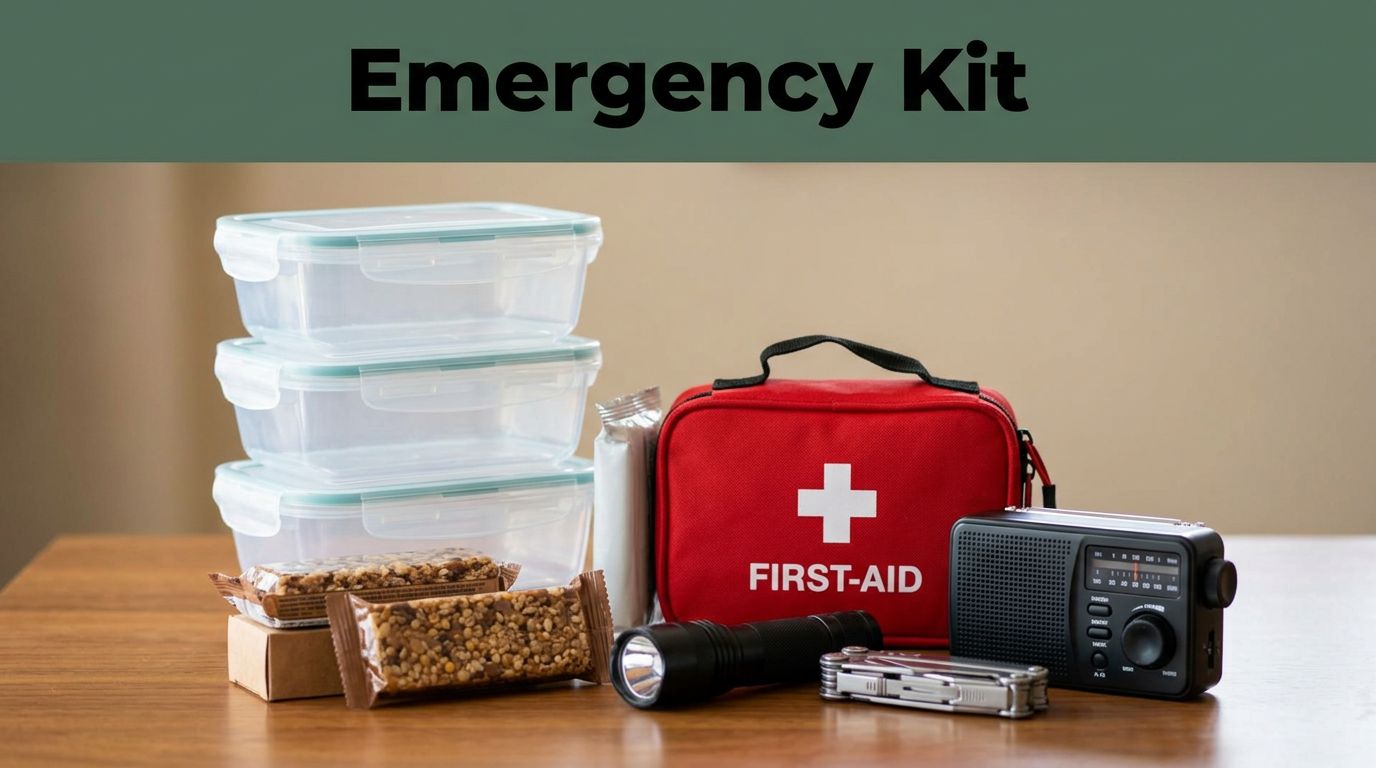
Power outages hit over a million customers during Winter Storm Fern in January 2026. Ice storms knocked out lines from New Mexico to the East Coast. Experts now warn of more multi-day blackouts from aging grids and wild weather. FEMA and the Red Cross urge essential emergency items for at least three days at home, or two weeks if stuck inside.
You face longer waits for help these days. A solid kit matches your local risks, like floods or heat waves. This guide covers water, food, first aid, tools, communication, sanitation, shelter, and fresh 2026 tips. You’ll see how to build one step by step.
Why Clean Water Tops Every Emergency List
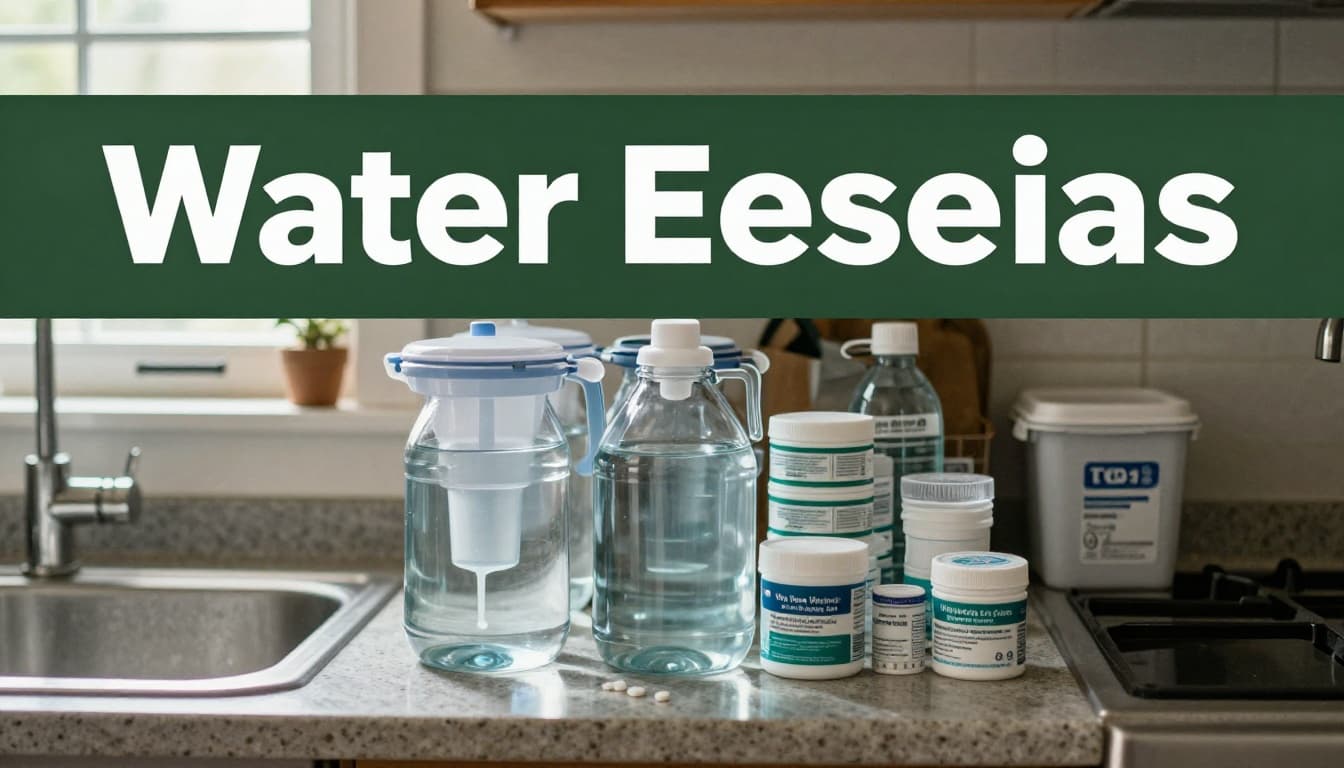
FEMA sets the rule at one gallon per person each day. Plan for three days if you evacuate, or two weeks for home stays. That’s 14 gallons for one adult alone. Store it in food-grade containers. Keep them cool and dark to avoid algae.
The CDC warns bad water spreads cholera and other diseases fast. Rotate your supply every six months. Check dates on bottled water. Add backups like purification tablets or LifeStraw filters. These remove bacteria without boiling.
For details on safe storage, see the CDC’s guide to creating an emergency water supply.
Smart Ways to Purify Water on the Go
Boil water for one minute if fuel lasts. Or use eight drops of unscented bleach per gallon. Wait 30 minutes. Portable filters shine in 2026 trends. The Sawyer MINI weighs two ounces yet filters 100,000 gallons. It blocks 99.9 percent of parasites.
Tablets work quick too. Drop one in, stir, and drink in 30 minutes. Long-shelf pouches hold clean water for years. These beat heavy jugs for bug-out bags.
Foods That Keep You Strong Without Power or Cooking
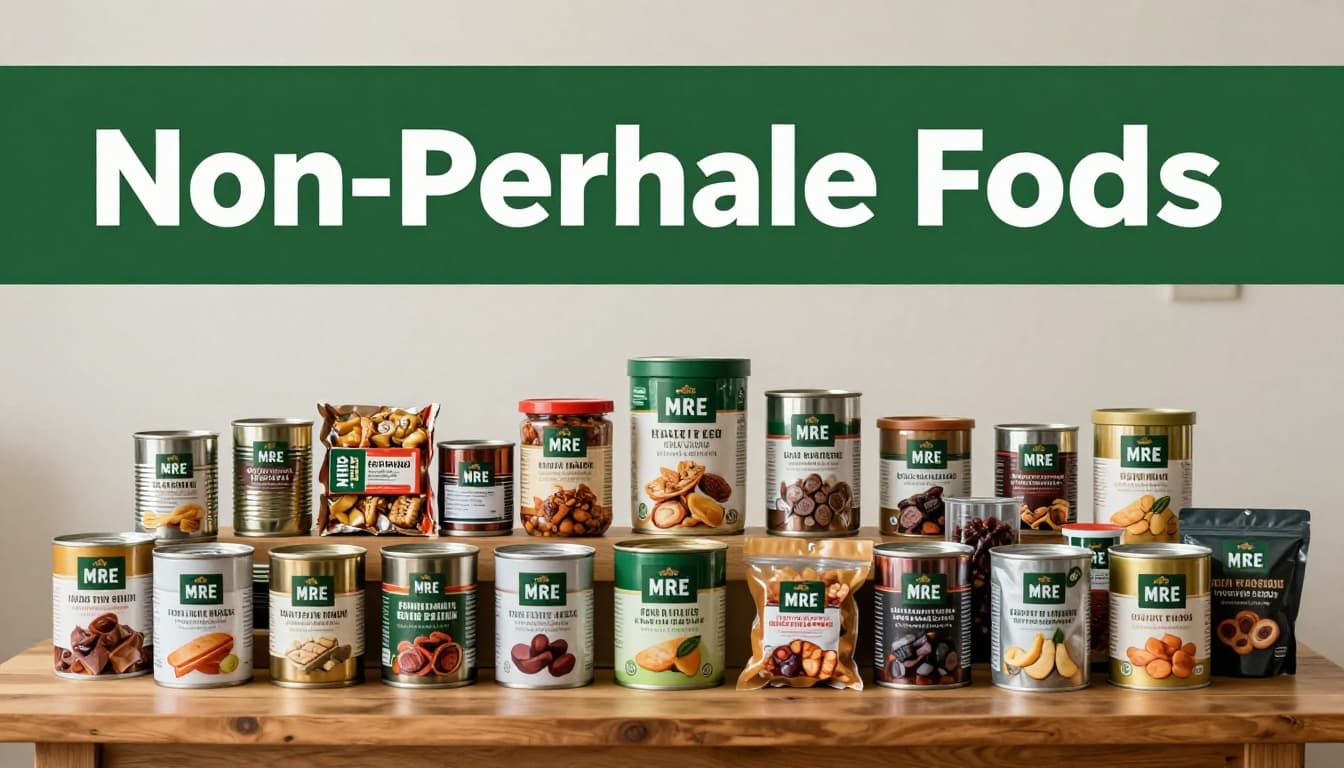
Stock non-perishables for three days minimum. Go for two weeks at home. Canned tuna, beans, and veggies pack calories. Energy bars and peanut butter fill gaps fast. MREs need no prep and last years.
Aim for 2,000 calories daily per adult. Pick kid-friendly items like fruit pouches. Rotate stock first-in, first-out. Check cans for dents. Special diets matter, so add gluten-free bars or protein shakes.
No power means no fridge. Dried fruits and nuts stay fresh. A manual can opener saves the day. These foods keep energy up during outages.
First Aid Kit Essentials to Treat Injuries Fast
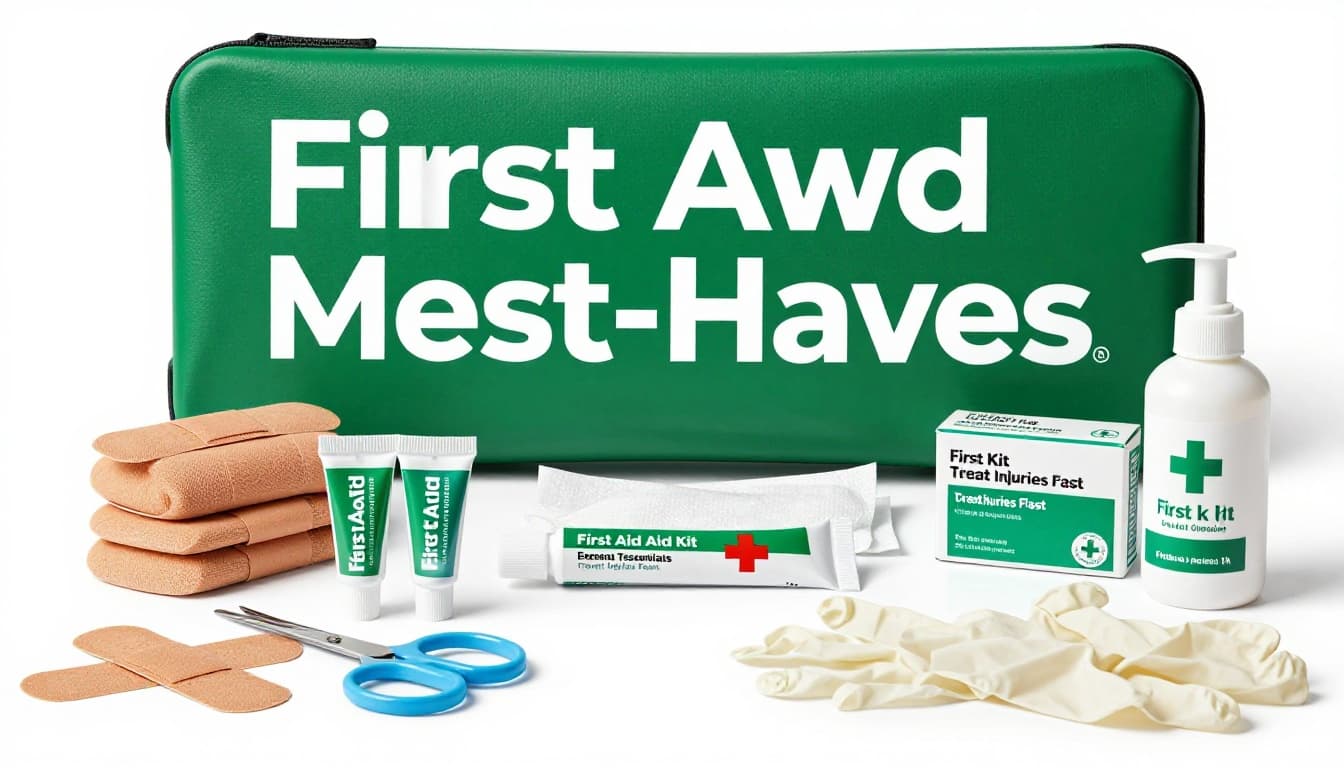
Bandages top the list. Add gauze pads, medical tape, and antibiotic ointment. Antiseptic wipes clean cuts. Pain relievers like ibuprofen ease headaches. Tweezers pull splinters. Scissors cut cloth.
Don’t forget gloves, thermometer, and burn cream. Stock seven days of prescriptions. Use a cooler for insulin. Extra glasses help if contacts fail. Rotate everything every six months, per CDC advice.
Customizing for Your Family’s Health Needs
Babies need formula and diapers. Pets get food and leash. Mobility aids like canes stay ready. One-week meds cover most. Batteries power hearing aids. These tweaks prevent bigger problems.
Multi-Use Tools That Fix Problems Quick
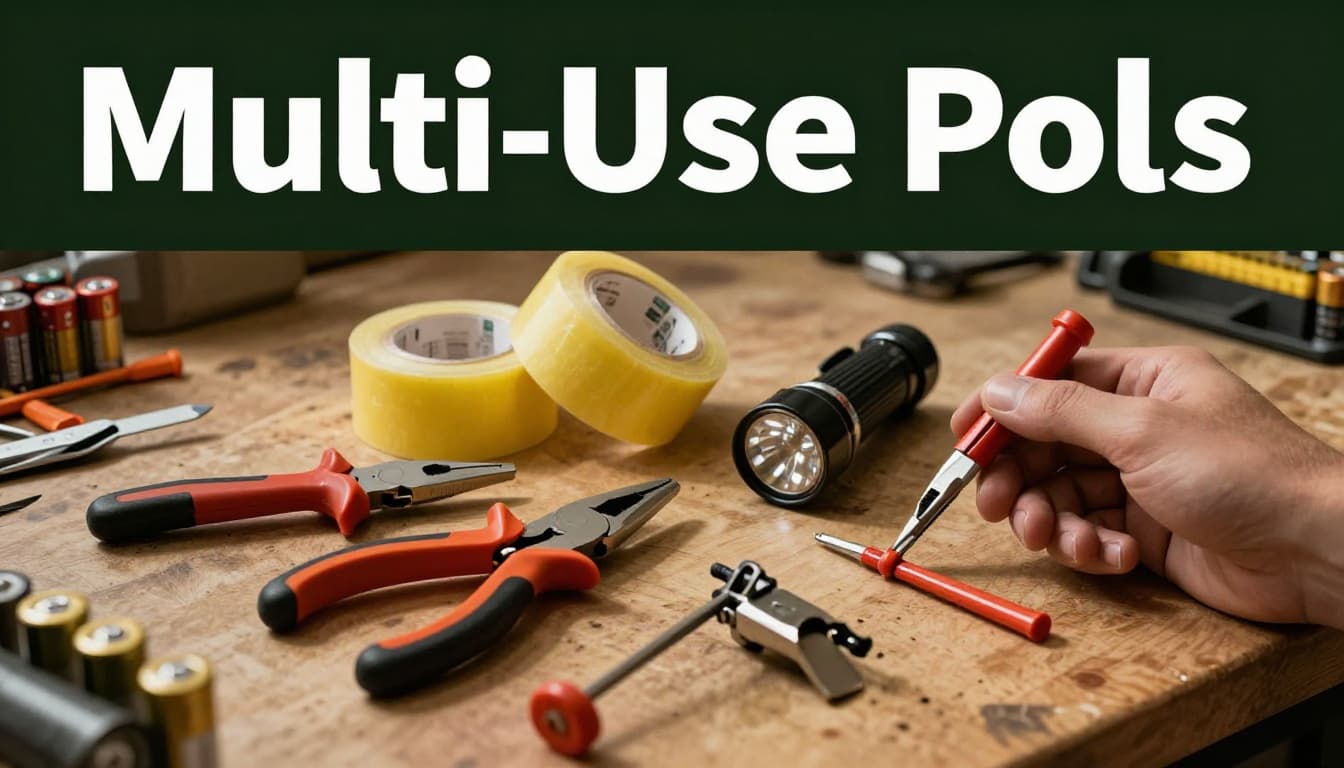
A multi-tool handles pliers, knife, and screwdriver. Duct tape patches leaks. Flashlight with extra batteries lights dark nights. Fire starters like magnesium rods ignite wet tinder. Gloves protect hands.
Trash bags double as shelters. A whistle signals help from afar. Shovel digs latrines. Matches in waterproof cases spark fires. 2026 kits favor compact gear for longer outages.
Lighting, Fire, and Signaling Gear
Hand-crank flashlights charge themselves. NOAA radios get weather alerts. Magnesium works in rain. Whistles beat yelling; sound travels farther. These keep you safe and seen.
Communication Devices to Stay in the Loop
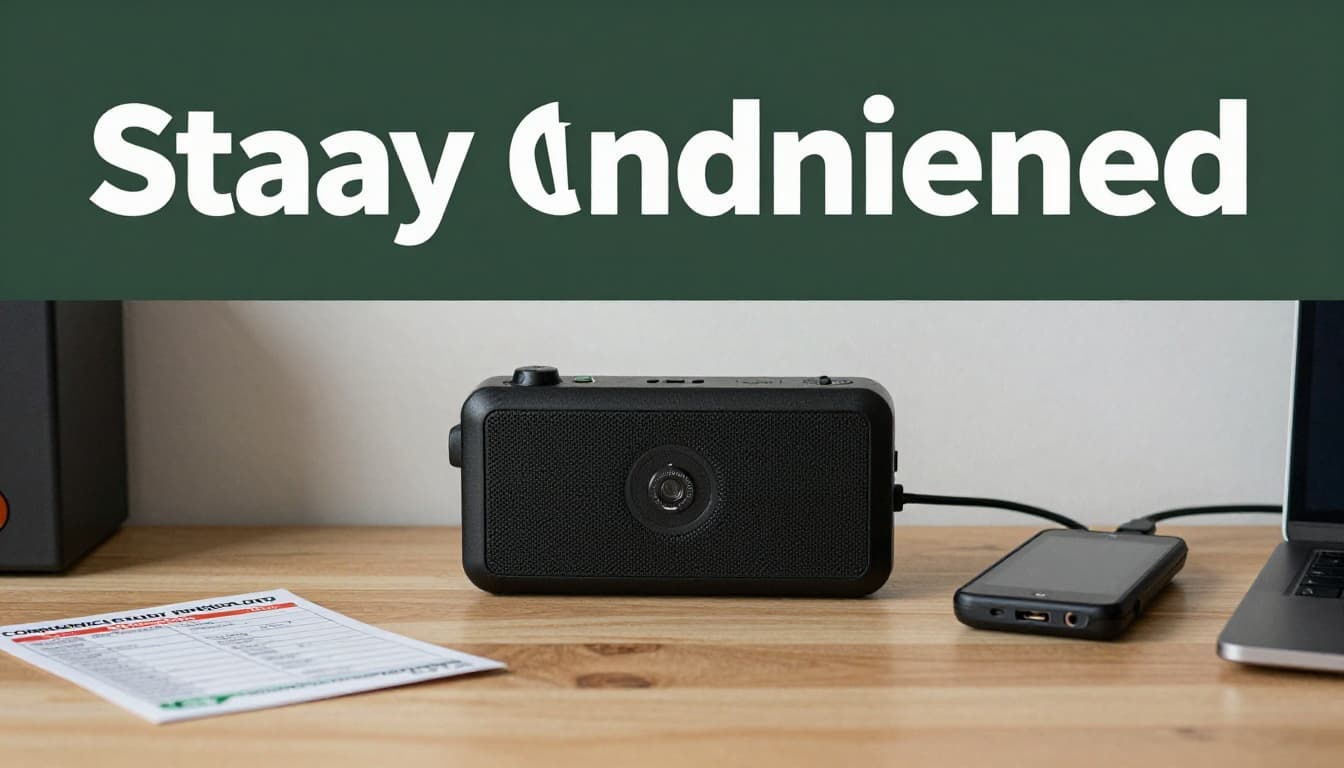
Grab a hand-crank NOAA radio first. It tunes emergency broadcasts. Portable batteries charge phones. Solar chargers work in sun. Print a family contact list on waterproof paper.
Copy IDs, insurance, and passports. Local maps guide without GPS. In no-signal spots, these bridge gaps.
For a full list, check Ready.gov’s build a kit page.
Sanitation Supplies to Avoid Sickness
Moist towelettes wipe hands. Garbage bags line toilets. Plastic ties seal waste. Stock toilet paper and hand sanitizer. Soap bars clean basics. Feminine products stay private.
Bleach disinfects surfaces. Plan for failed plumbing. Dig cat holes outside if needed. Good hygiene stops diarrhea outbreaks.
Shelter and Warmth Items for Tough Weather
Emergency blankets reflect body heat. Sleeping bags rate for cold. Extra socks, hats, and coats layer up. Sturdy shoes handle debris. Rain ponchos block storms. Thermal blankets pack small.
These fight hypothermia in outages.

Overlooked Extras That Bring Real Peace
Cash in small bills buys gas. Extra house keys avoid lockouts. N95 masks filter dust. Books or cards calm kids. Pet food matches their diet. Tailor to storms or quakes in your area.
2026 Expert Updates You Need to Know Now
FEMA and Red Cross push two-week home kits. Outages last longer now. CDC stresses sanitation amid floods. Trends include Sawyer filters and organized packs. Test gear every six months. Build for local risks at FEMA’s emergency kit page.
Water focus grows with grid failures.
Water, food, and first aid form your core. Tools and comms keep you going. Sanitation, shelter, and extras round it out.
Start your kit today. Use a checklist from Ready.gov. Store it in a grab bag by the door. Talk it over with family. Being ready cuts stress big time. What item will you add first?