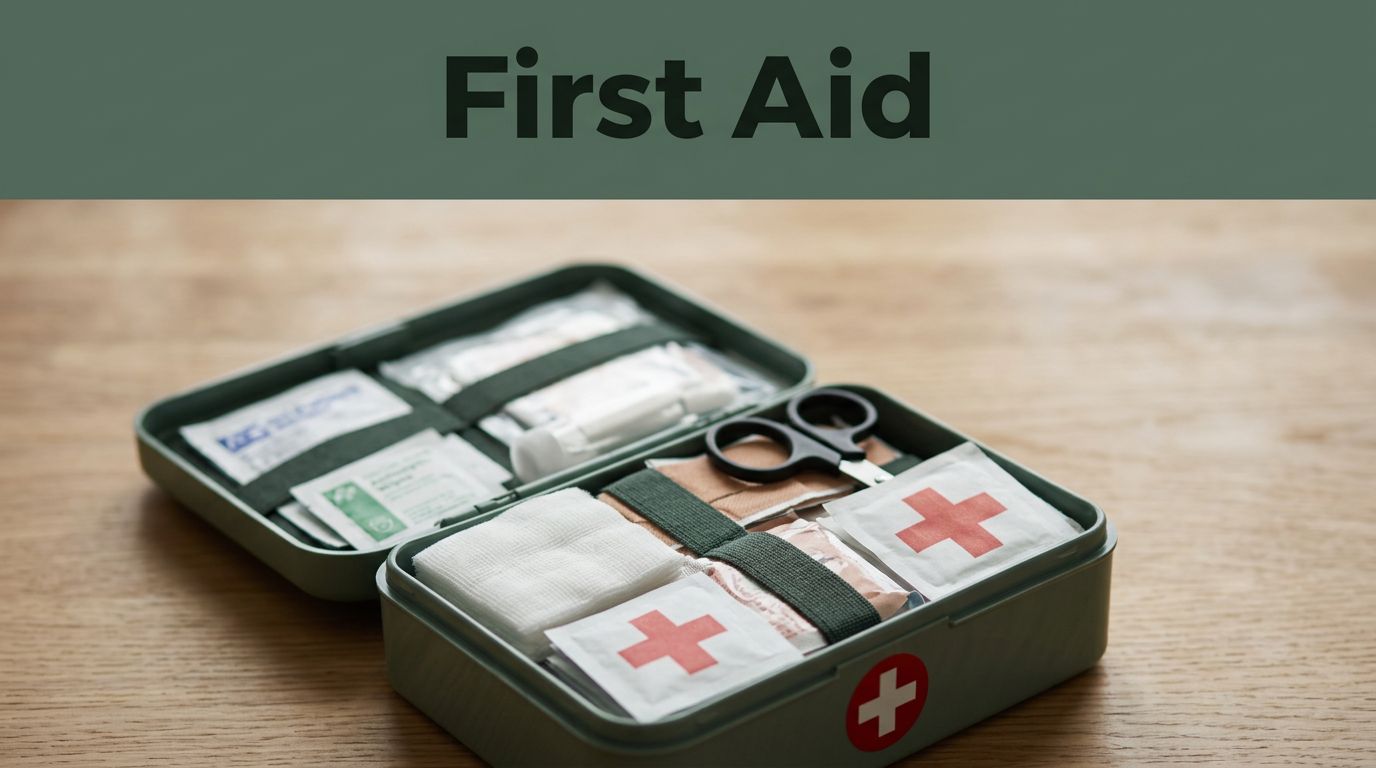
Picture this. You slice your finger chopping vegetables in the kitchen. Blood flows fast. Your child scrapes a knee on the driveway. Without the right supplies nearby, panic sets in. These moments happen daily in homes across America.
The American Red Cross stresses that a basic first aid kit saves time and lives for minor injuries like cuts or sprains. Families of four need specific items to handle common problems safely. Data from 2026 shows injuries often occur away from home, so preparation matters more than ever.
This guide pulls from Red Cross and CDC advice as of April 2026. You’ll learn key categories: wound care, cleaning supplies, medications and tools, plus assembly tips. Start with these must-haves. They keep things simple and effective.
Wound Care Essentials to Stop Bleeding Fast
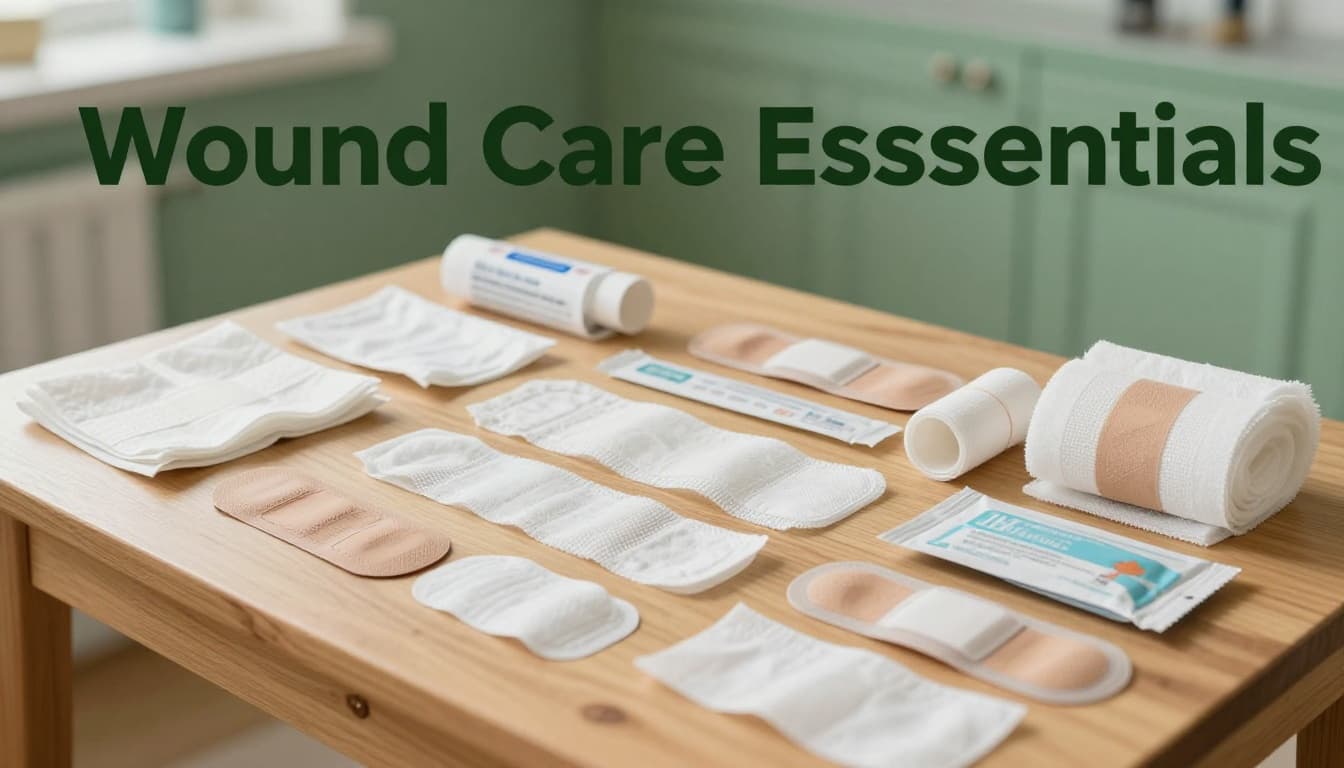
Cuts and scrapes demand quick action. The Red Cross recommends specific bandages and dressings for a family kit. These stop bleeding and protect skin right away.
Quality counts over bulk. Stock items that fit most needs. For example, a playground fall or cooking mishap calls for assorted sizes.
Bandages and Gauze Pads for Everyday Scrapes
Adhesive bandages top the list. Get 25 in assorted sizes. They cover small cuts on fingers or knees perfectly.
Kids need smaller ones. Adults fit larger styles. Roller bandages, 3 and 4 inches wide, secure everything in place.
Sterile gauze pads work best next. Include 5 pads each of 3×3 and 4×4 inches. Press them on scrapes to absorb blood. They prevent sticking to wounds.
In short, these handle daily bumps. Keep them handy because accidents wait for no one.
Compress and Triangular Bandages for Serious Cuts
Absorbent compress dressings shine here. Pack 2 at 5×9 inches. Apply direct pressure to heavy bleeding. They soak up a lot fast.
Triangular bandages serve double duty. Use 2 for slings or wraps. Fold one around an arm for support after a fall.
Steps stay simple. Press the compress firm for five minutes. Tie the triangle snug but not tight. Check color and feeling often. These tools buy time until help arrives.
For full details, check the American Red Cross first aid kit guide.
Cleaning Supplies and Infection Preventers
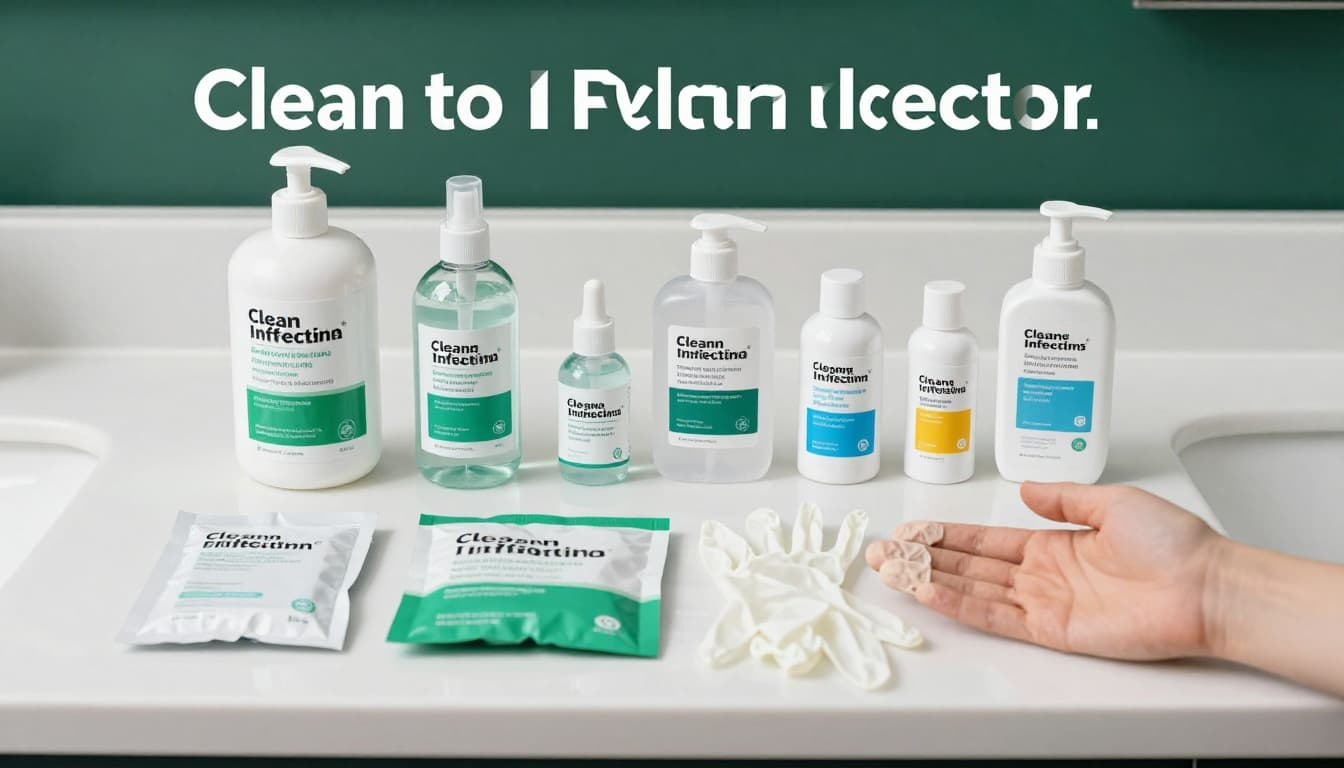
Dirt turns small wounds bad quick. Clean first, always. The Red Cross lists wipes and ointments to fight germs.
Single-use packets stay sterile. They beat tubes that dry out or contaminate. Add nonlatex gloves too. They protect you from blood.
Hand sanitizer fits 2026 trends. It kills bacteria on hands before touch.
Antiseptics and Ointments That Kill Germs
Antiseptic wipes come in 5 packets. Wipe the wound gentle after rinsing with water. They remove dirt from splinters or outdoor scrapes.
Next, antibiotic ointment packets, also 5. Squeeze a thin layer after cleaning. It stops infection growth. Hydrocortisone packets help rashes too.
Adhesive cloth tape seals it all. Get 10 yards by 1 inch. It holds gauze without slipping.
Because infections rise without these, stock up now.
Medications, Tools, and Protection Gear
Pain hits hard after injury. Tools make care easier. Red Cross and CDC agree on basics for fevers, sprains, and more.
Nitrile gloves replace latex in 2026. They suit allergies better. Digital thermometers read fast and accurate.
Group items for quick access. Pain meds go near tools.
Pain Meds and Thermometers for Fevers and Aches
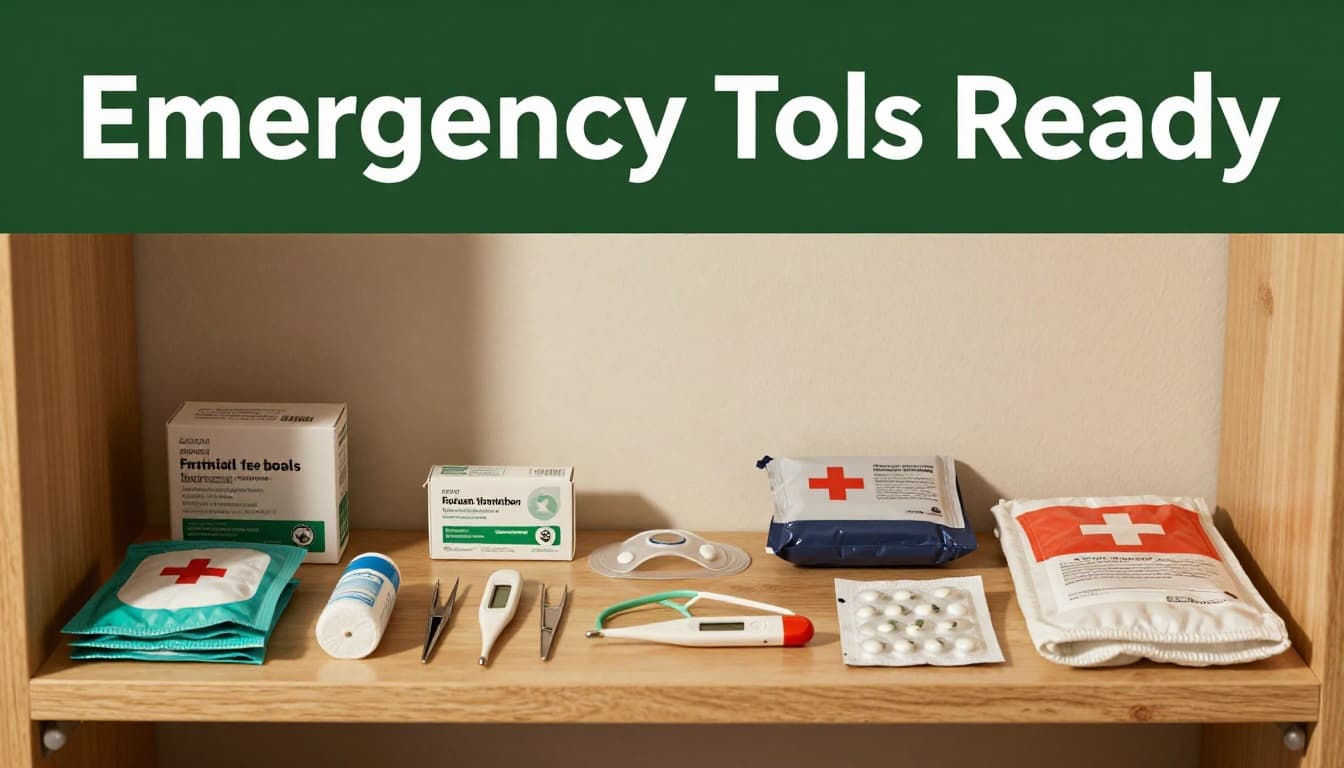
Aspirin packets lead, 2 at 81mg each. They ease pain or heart issues. Ibuprofen or acetaminophen work for swelling too.
Check doses careful. Adults take full strength. Kids need less, so read labels.
Oral thermometers, non-mercury, spot fevers early. Pop one under the tongue for seconds. Replace batteries yearly.
These calm aches fast. However, call a doctor for high fevers.
See CDC tips in their must-haves for first-aid kits post.
CPR and Emergency Tools Everyone Should Have
Tweezers pull splinters clean. An instant cold compress fights sprain swelling. Snap it, apply for 20 minutes.
Breathing barriers make CPR safer. They have one-way valves. Emergency blankets keep shock victims warm.
Add first aid instructions. They guide you step by step. Trends add trauma shears for clothes if needed.
In addition, these save lives in big moments.
How to Assemble, Customize, and Maintain Your Kit
Pick a waterproof container first. Plastic boxes or bags work for home, car, or work. Label it clear.
Customize for life. Hikers add sunscreen. Offices need eye wash.
Check every three years. Replace expired meds.
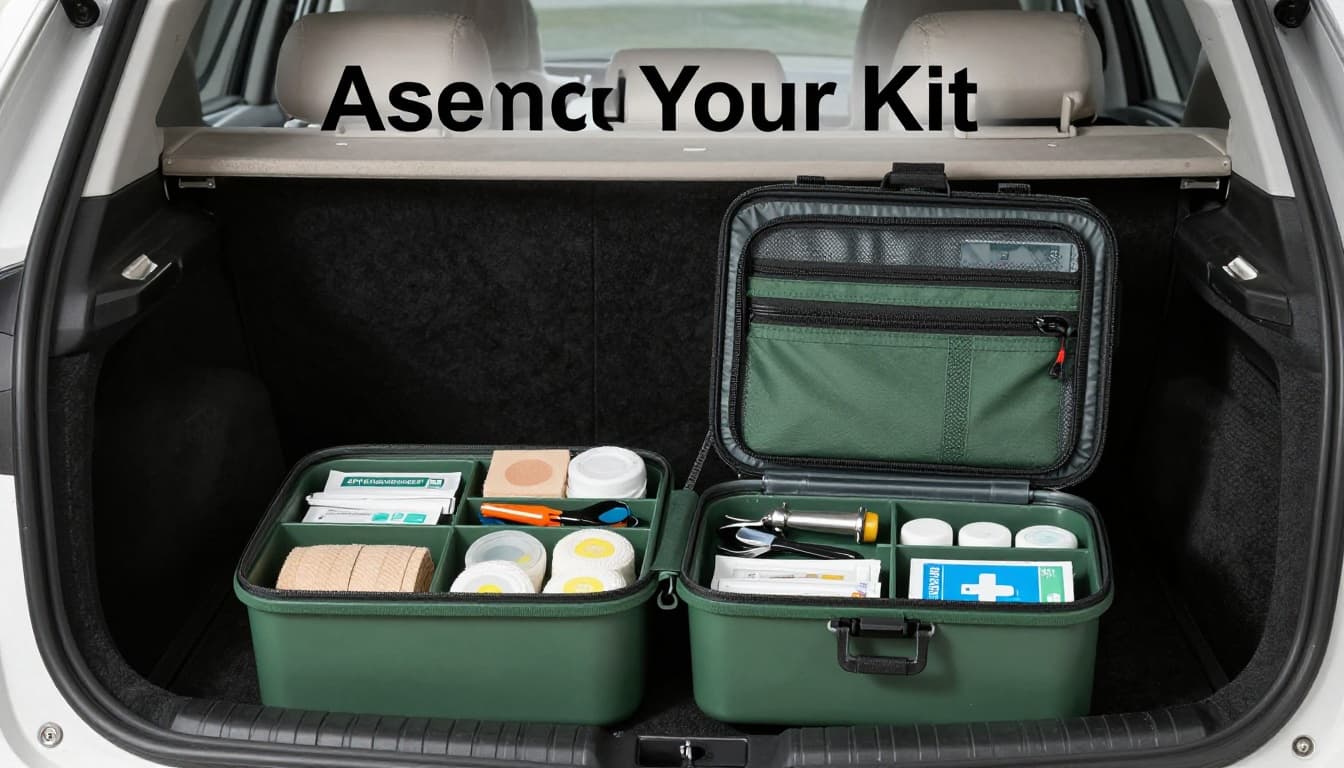
Storage Spots and Customization for Your Lifestyle
Kitchen drawers suit home kits. Car gloveboxes hold travel ones. Work desks get small versions.
Tailor smart. Kids? Add small bandages. Outdoors? Pack bug bite cream. Seniors like large-print guides.
Because needs vary, build yours right.
Maintenance Routine to Keep It Ready
Inspect monthly at first. Note expirations. Restock used items same day.
Every six months, full check. Test thermometer. Shake cold packs.
Set phone reminders. It takes five minutes but keeps you safe.
Follow this, and your kit stays sharp.
Ready to Build Peace of Mind?
A solid first aid kit means fast help for cuts, sprains, or fevers. Stick to Red Cross basics: bandages, wipes, ointments, tools like tweezers and cold packs. Customize for your family, store smart, check often.
Assemble one today. Peace follows preparation. Grab supplies from drugstores or online.
What’s in your kit? Share tips below. Subscribe for more safety how-tos. Act now. You got this.