
Imagine sitting down for a family dinner. Laughter fills the air. Then, suddenly, your spouse grabs their throat. No sound comes out. Their face turns blue. Choking strikes without warning. In 2023, over 5,500 people died from choking in the US. That’s the highest number in 70 years. It ranks as the fourth leading cause of unintentional injury death.
These emergencies happen fast. Quick action saves lives. Every five days, a child dies from food choking. Adults over 65 account for three-quarters of deaths. You can change that outcome. Follow the latest guidelines from the American Red Cross, AHA, and Mayo Clinic.
This guide covers spotting signs, calling for help, aiding conscious adults, kids, and babies, handling unconscious cases, busting myths, and prevention tips. It’s based on 2026 updates. Stay calm. Act now. Follow these steps, and you could save a life.
Spot the Signs of Choking Right Away
Choking blocks the airway. Air can’t flow. The person struggles. Spot it early because seconds count. A full blockage kills oxygen fast.
Look for these clear signs. The person can’t cough, speak, or breathe loudly. They make a high-pitched noise or no sound at all. Watch for clutching the throat. Skin or lips turn blue. Panic shows in their eyes.
A weak cough means trouble too. That’s different from a strong one. Partial blocks let some air through. Encourage coughing in those cases. Don’t slap their back yet. It might push the object deeper.
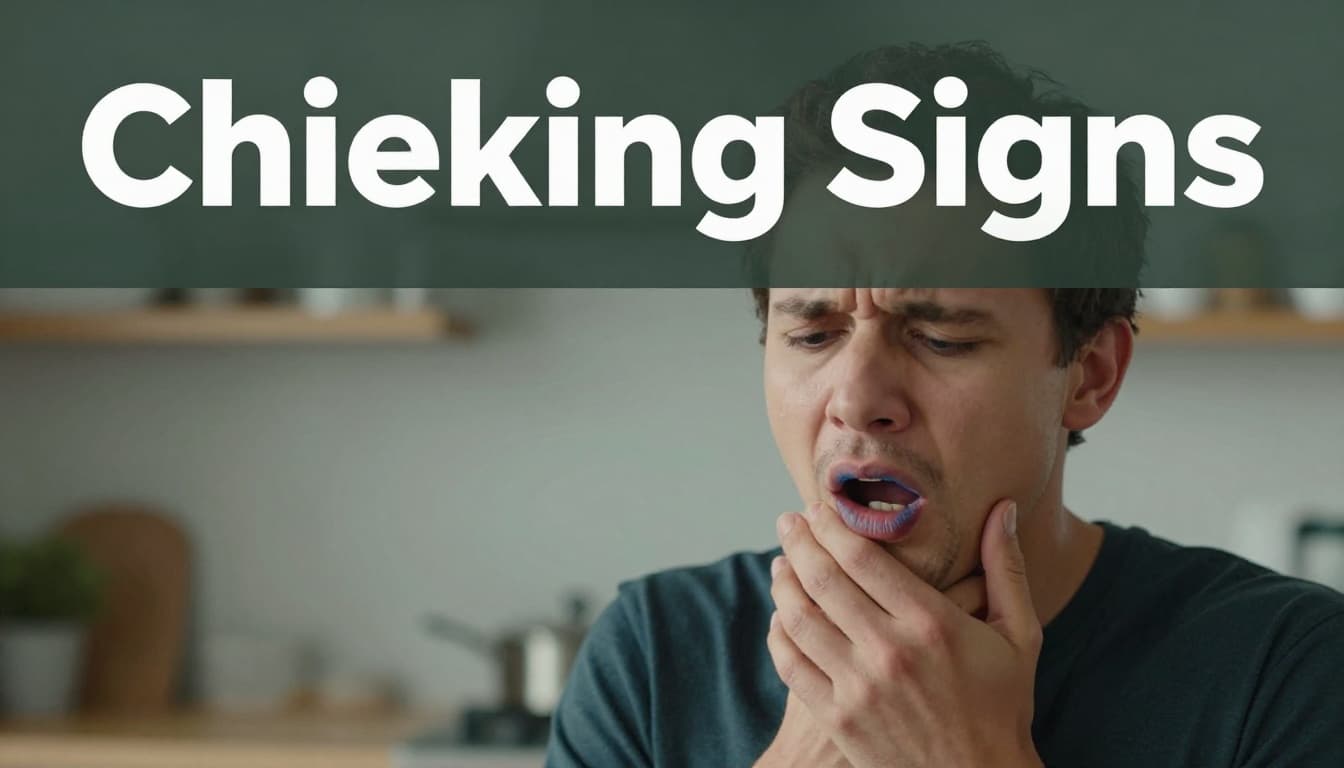
For more on symptoms, check the American Red Cross choking guide. Fast recognition boosts survival odds. Hesitation costs time. Practice noticing these cues daily.
When to Call 911 and Get Backup Fast
Don’t wait if signs point to a full block. Call 911 right away. Severe choking needs pros. No strong cough? Grab your phone now.
Rules change based on the situation. If alone with an adult or child over 1, start care first. Do five back blows and five abdominal thrusts. Then call. With others around, have a bystander dial while you act.
For babies, call first if possible. Use speakerphone. Keep hands free. Always call if the person weakens or stops responding.
Recent AHA and Red Cross updates stress this. Delay raises risks. Picture this: You help alone. After one cycle, phone emergency services. Help arrives prepared.
Here’s a simple flow. See full block? Yell for help. Assign the call. Begin aid. No response after cycles? Start CPR. Act decisive. Lives depend on it.
Step-by-Step Guide to Help a Conscious Choking Person
Stay calm for conscious victims. They need you steady. Alternate five back blows with five abdominal thrusts. Repeat until the object dislodges or they go unconscious. Lean them forward. Support the chest.
Position matters. Stand behind or to the side. Use firm force. Check the mouth only if you see the object. Never blind sweep. These steps match Mayo Clinic advice.
For Adults and Children Over Age 1
Adults and kids over 1 get the same care. It works well. Follow these numbered steps.
- Ask if they can breathe. No? Lean them forward. Support their chest with one arm.
- Deliver five back blows. Use the heel of your hand. Aim between shoulder blades. Firm hits create force.
- No luck? Sandwich them upright. Make a fist above the navel. Grasp with your other hand.
- Give five quick thrusts. Push in and up in a J motion. Below the ribcage. Repeat cycles.

If alone, do two cycles. Then call 911. For self-aid, use a chair back against your abdomen. Thrust hard.
Take a Red Cross class to practice. Hands-on builds confidence. Real emergencies feel less scary then.
See Mayo Clinic choking first aid for visuals. Success comes from repetition and power.
For Babies Under 1 Year Old
Babies need special care. Skip abdominal thrusts. They risk damage. Use gravity and gentle force instead.
- Support the head lower than the body. Hold face-down on your forearm. Rest on your thigh.
- Give five back blows. Heel of hand between tiny shoulder blades. Quick and firm.

3. Flip face-up on your other arm. Head still lower. Two fingers on breastbone center. Just below nipples. 4. Push straight down 1.5 inches. Five chest thrusts. Repeat the cycle.
Always support head and neck. Call 911 early. Parents, drill this at home. It feels natural with practice.

What to Do If the Person Stops Responding
They go limp? Lower gently to the floor. Yell for 911 if not called. Check breathing. None? Start CPR.
Begin with compressions. Adults and kids: two inches deep. Use heel of one or two hands. Infants: 1.5 inches with two fingers.
After 30 compressions, look in the mouth. Remove visible objects only. No finger sweeps. Give two breaths if clear. Continue cycles.
AHA 2026 guidelines confirm this. Compressions first pop the airway open sometimes. Keep going till EMS arrives or they respond.
Practice CPR often. It pairs perfect with choking aid. You stay ready.
Common Choking Myths That Could Cost Lives
Myths spread fast. They harm more than help. Let’s bust them.
Myth: Slap the back lightly. Fact: Use five firm back blows first. Light taps worsen blocks.
Myth: Give fluids or hit below the shoulder blades. Fact: Water distracts. Wrong spot misses force. Follow Red Cross sequence.
Myth: Heimlich alone saves everyone. Fact: Alternate back blows and thrusts. AHA updates prove it clears better.
Myth: Finger sweep the throat. Fact: It pushes objects deeper. Wait for visible items.
Myth: Thrusts work for babies. Fact: Chest thrusts only. Abdominal risks injury.
Devices like LifeVac come second. Pros say try hands first. See AHA choking updates. Old habits persist from movies. Update your knowledge. Question what you think you know.
Prevent Choking and Get Ready to Act
Prevention beats reaction. Cut food into small pieces. Supervise kids under 5. Skip hard candies, popcorn, grapes, hot dogs, balloons.
For toddlers, mash or quarter items. Sit them upright. No running with food.
Adults chew slow. Avoid alcohol with meals. It slows reflexes.
Learn hands-on. Red Cross classes teach CPR and choking aid. Apps refresh skills. Drill family scenarios weekly.
Certification empowers you. Stats show trained bystanders save more lives. Start today.
Check CDC choking hazards for kid tips.
Spot signs quick. Call 911 smart. Aid by age group right. Switch to CPR if needed. Ditch myths.
Take a class now. Print this guide. Practice steps. Share with loved ones. Fast aid lifts survival high. You hold the power to help someone choking. Act today. Save a life tomorrow.