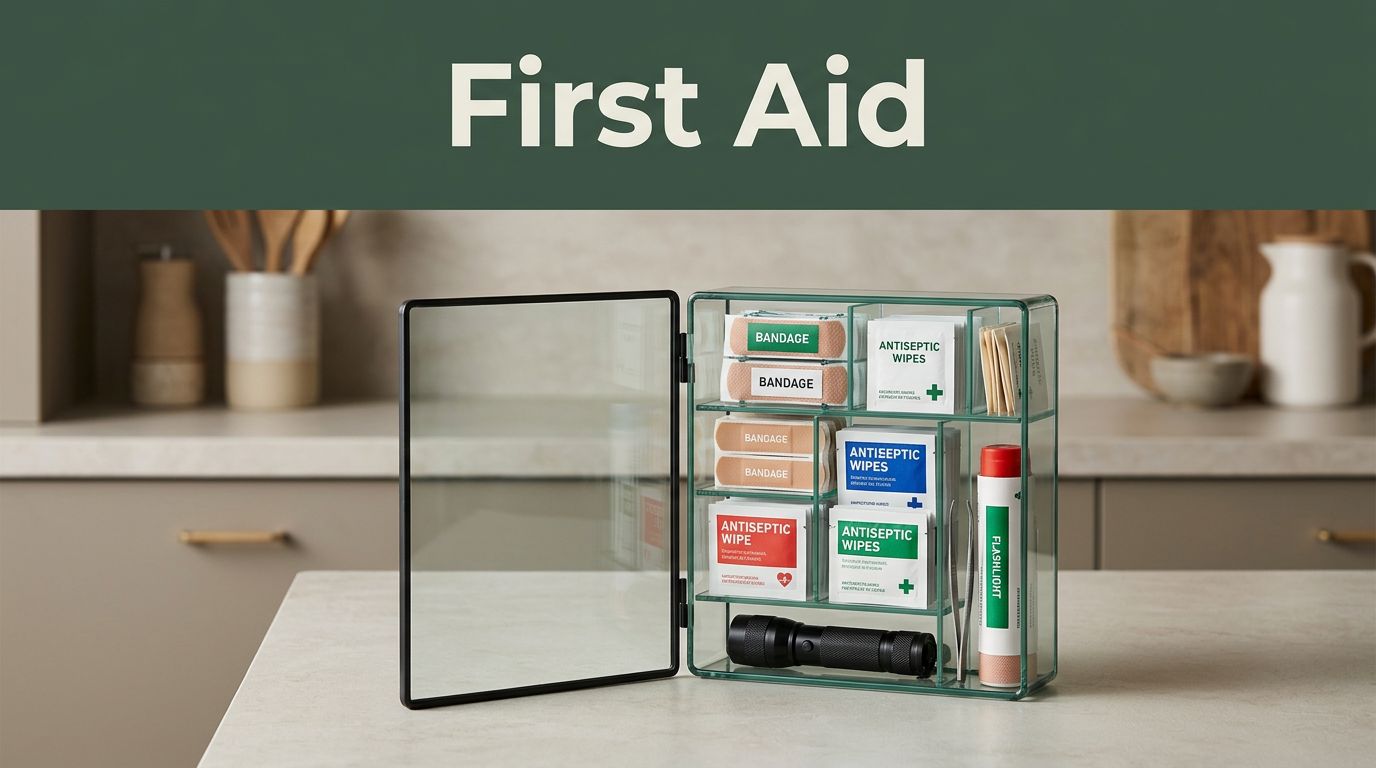
Picture this. Your child slices a finger on a kitchen knife. Blood flows fast. You rush to grab bandages, but your drawer overflows with expired creams and tangled tape. Chaos hits. Minutes drag as panic builds. That small cut turns stressful because supplies hide in mess.
Home accidents happen often. In 2023 alone, they caused over 125,000 deaths in the US, mostly from falls and poisoning. Millions more seek care for cuts, burns, and sprains each year. Kids under 15 face 3.4 million injuries at home. A well-organized first aid kit cuts response time. It lowers stress. You act quick and calm.
Organizing first aid supplies at home saves lives. This post shows you how. Start with essentials matched to your family. Pick the right container and spot. Sort into categories. Check often. Follow these steps. You’ll build peace of mind. Let’s begin.
Start with the Right Essentials for Your Family’s Needs
Build your kit around proven basics. The American Red Cross sets the standard for a family of four. Stock these items first. They cover most home mishaps like cuts, sprains, and rashes.
Tailor the list to your home. Add meds for allergies or chronic issues. Consult your doctor. Kids mean more bandages. Seniors need extra pain relief. Focus on risks like kitchen slips or bathroom falls.
Here’s the Red Cross recommended lineup:
- 2 absorbent compress dressings (5 x 9 inches) for heavy bleeding.
- 25 adhesive bandages (assorted sizes) for minor scrapes.
- 1 adhesive cloth tape (10 yards x 1 inch) to secure dressings.
- 1 gauze roll bandage (3 inches wide) and 1 roller bandage (4 inches wide) for wraps.
- 5 sterile gauze pads (3 x 3 inches) and 5 (4 x 4 inches) for coverage.
- 5 antibiotic ointment packets to fight infection.
- 5 antiseptic wipe packets for cleaning.
- 2 hydrocortisone ointment packets for itches.
- 2 aspirin packets (81 mg each) for pain (doctor approved).
- 2 pairs nonlatex gloves for hygiene.
- 1 breathing barrier for CPR.
- 1 instant cold compress for swelling.
- Oral thermometer (non-mercury).
- Tweezers for splinters.
- 1 emergency blanket for shock.
- 2 triangular bandages for slings.
- Scissors and hand sanitizer.
- Emergency first aid instructions.
For the full checklist, check the Red Cross first aid kit guide. These cover 80% of needs. Skip fancy extras unless you face specific dangers.
Wound Care Basics You Need Ready
Wounds strike first in accidents. Stock bandages front and center. Adhesive ones seal small cuts quick. Gauze pads soak blood from bigger gashes. Tape holds everything firm.
Antiseptic wipes clean dirt fast. Antibiotic ointment prevents bugs from growing. Use them right after injury. Press a compress on deep bleeds. Elevate the spot. This stops most home bleeds before help arrives.
Replace after each use. Test gloves fit snug. They block germs both ways.
Pain Relief and Allergy Meds to Keep Handy
Pain follows injury. Aspirin eases headaches or sprains. Hydrocortisone calms rashes from plants or soaps.
Add antihistamines if pollen or pets trigger reactions. Store in original packs. Note doses clearly. Check child-safe options. These meds act in minutes. They bridge to doctor care.
Pick a Sturdy Container and Smart Storage Spot
Your kit needs protection. Water ruins supplies. Dust clogs zippers. Choose a tough case. Plastic works best. It seals tight.
Store in easy reach. Kitchen cabinet beats attic climb. Aim eye-level for adults. Bathroom shelf suits burns. Keep one home kit. Add a car version. Teach kids the spot. Run family drills twice yearly.
Trends lean modular now. In 2026, families use room kits. Kitchen holds cuts gear. Bedroom has cold packs. This cuts search time.
Pick cool, dry areas. Heat melts ointments. Avoid fridge humidity.
Best Containers for Quick Grabs
Clear bins shine. You spot items at a glance. Color-code sections. Red for wounds. Blue for meds.
Waterproof cases like the NANUK 910 first aid kit stack well. They lock secure. Soft backpacks grab easy for outings.
Label outside bold. “First Aid – Cuts & Bruises.” Test open-close speed. It matters in stress.
Sort Supplies into Clear Categories for Fast Access
Mess slows you. Group like items. Front-load daily needs. Bandages lead. Rare tools go back.
Make four zones:
Wound care: Bandages, gauze, wipes, ointments, tape.
Medications: Aspirin, hydrocortisone, personal pills.
Tools: Gloves, scissors, tweezers, thermometer.
Trauma/Other: Compresses, cold packs, blanket, breathing barrier.
Use dividers or bags inside. This setup finds anything in seconds. Adjust for family. Allergy kit separate if needed.
2026 kits add QR codes. Scan for videos. Basics still rule.
Label Everything to Avoid Panic Searches
Panic blinds. Labels guide hands. Use fat markers on tape. Write “Bandages” big.
Outside tags list contents. “Wounds: 25 bandages, 10 wipes.” Update after restock.
Print category sheets. Tape inside lid. Family reads fast.
Room-Specific Tweaks for Everyday Accidents
Customize per spot. Kitchen mini-kit fights knife cuts. Stock extra tape there.
Bathroom handles scalds. Add burn gel if cooking steams rise. Garage kit covers tool injuries.
Trends push these in 2026. Small bags fit drawers. They match common slips like 32,000 yearly fall deaths.
Check and Refresh Your Kit on a Simple Schedule
Kits expire. Ointments dry up. Bandages stick wrong. Inspect every three months. Or after use.
Pull everything out. Check dates. Toss old stuff. Make a list. Shop quick.
Set phone reminders. “First Aid Check – April.” Takes 20 minutes max. Add seasonal tweaks. Sunscreen for summer. Flu meds in winter.
Family helps. Turn it fun. Reward with ice cream. Fresh kits work when needed.
Ready Your Home First Aid Kit Today
Gather those Red Cross essentials. Choose a clear, sturdy container. Sort into wounds, meds, tools, and trauma. Label clear. Check every few months.
This setup speeds response. It cuts home accident stress. Over 35 million injuries hit US homes yearly. Yours stays prepared.
Set aside 30 minutes this weekend. Organize now. Share the spot with family. Practice once.
What holds your kit back? Drop a comment below. Tell how you tweak for kids or pets. Subscribe for more safety tips. Stay safe.