Sudden cardiac arrest strikes someone in the US every two minutes. Without quick action, survival odds drop fast. But bystanders who start CPR can double or triple those chances, according to the American Heart Association’s 2025 guidelines.
You don’t need training to help. Hands-only CPR works well for beginners on adults. It skips breaths and focuses on chest pushes. These steps follow the AHA’s latest updates, effective now in 2026. You’ll learn to check the scene, do adult compressions, add breaths if ready, adjust for kids and babies, avoid errors, and know when to stop.
Keep reading. You can turn panic into action and become the hero in an emergency.
Step 1: Make Sure the Scene is Safe and Check for Response
Safety protects you first. You can’t help if you get hurt. Scan the area for dangers like traffic or fire. If it’s unsafe, move the person only if easy and necessary.
Yell for nearby help. Say, “Call 911!” Have someone grab an AED if one sits close. Alone? Tap the person’s shoulder hard and shout, “Are you okay?” Look for normal breathing or movement for no more than 10 seconds. No response? Start CPR right away.
This follows the AHA’s Chain of Survival. It begins with early recognition and a 911 call. Then come high-quality compressions and defibrillation. Lay the person on a firm surface like the ground. Soft spots like beds weaken pushes.
Position Yourself Right for Effective Help
Kneel beside the person. Place your knees apart for stability. Later, keep arms straight and shoulders over your hands. This setup uses your body weight, not just arms. It fights fatigue, as the 2025 updates stress.
Good position lets you push deep without tiring fast. Practice it now in your mind.
Nail Hands-Only CPR: Simple Chest Compressions for Adults
Hands-only CPR suits beginners best. The AHA pushes it for untrained folks. No breaths mean less hesitation. You just pump the chest at the right speed and depth.
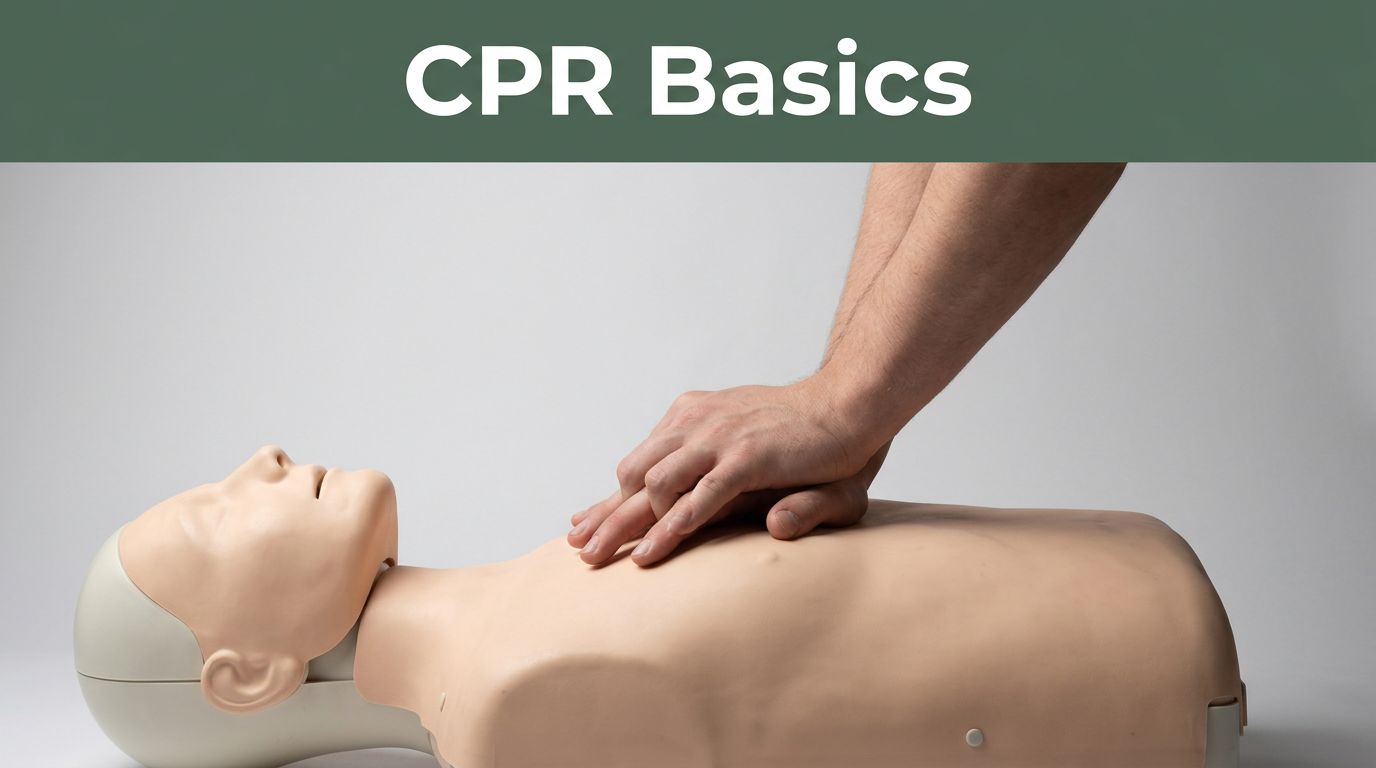
Kneel next to the person. Put the heel of one hand on the center of the chest. That’s the lower half of the breastbone, between the nipples. Add your other hand on top. Lace fingers together. Keep arms straight. Lock elbows.
Push hard and fast. Go 2 to 2.4 inches deep. Aim for 100 to 120 compressions per minute. Think of the beat to “Stayin’ Alive” by the Bee Gees. It matches perfect.
Let the chest fully rise between each push. Don’t lean on it. Keep going for two minutes. Then check breathing or use an AED if ready.
Ribs might crack. That’s okay and common. It won’t stop blood flow. High-quality pushes matter most. They double survival odds from out-of-hospital arrest.
Here’s the sequence:
- Hands center chest, heels locked.
- Push fast to 2-2.4 inches; feel resistance then give.
- Recoil fully each time.
- Count or sing to stay on rhythm. Continue until help arrives.
Studies show this method gets more people acting fast. Because breaths scare some off, hands-only boosts bystander response.
Keep the Rhythm Going Without Getting Tired
Count out loud to track pace. Use songs like “Baby Shark” too. Switch with another person every two minutes. That keeps depth strong.
Stay on a firm surface always. Count quality over speed. If arms bend, straighten them quick. You’ll last longer that way.
Ready for More? Add Rescue Breaths to Your CPR
Trained or willing? Add breaths after compressions. Do 30 pushes first. Then give two breaths.
Tilt the head back. Lift the chin. Pinch the nose shut. Make a seal over the mouth. Blow steady for one second each time. Watch the chest rise. If not, retry head tilt.
Go back to 30 compressions. Repeat the cycle. The AHA calls them just “breaths” now. Single rescuers use 30:2 ratio.
But if breaths feel wrong, stick to hands-only. Compressions come first always. They circulate oxygen already in the blood.
This combo helps in longer arrests. Yet hands-only still saves lives quick.
Adapt for Kids and Babies: CPR Tweaks That Save Young Lives
Kids and babies often need full CPR. Breathing stops cause most arrests in them, unlike adults. Use compressions plus breaths.
For a child (age 1 to puberty), use one or two hands. Place on lower breastbone. Push about 2 inches deep, or one-third chest depth. Keep the 100-120 rate. Single rescuer? 30:2.
Infants take two fingers just below nipples. Go 1.5 inches deep, one-third chest. Same rate and ratio.
Two rescuers on young ones switch to 15:2. Choking differs. Give five back blows then chest thrusts for babies.
Compare quick in this table:
| Group | Hand/Finger Placement | Depth | Ratio (Single Rescuer) |
|---|---|---|---|
| Child | Heel of one/two hands | ~2 inches (1/3 chest) | 30:2 |
| Infant | Two fingers below nipples | ~1.5 inches (1/3 chest) | 30:2 |
Use per AHA pediatric algorithm. These tweaks match small bodies. They prevent too-deep injury.
Child CPR Specifics
One hand often works for bigger kids. Two for smaller. Push lower sternum. Depth hits one-third chest. Rate stays fast. Breaths follow compressions.
Infant CPR Specifics
Fingers only. Encircle chest if needed for hold. Support head loose. For choking unresponsive, use back blows then chest thrusts with fingers.
Dodge Beginner Pitfalls and Know Exactly When to Stop
Beginners mess up depth most. Pushes stay too shallow. Fix it: push till you feel bottom then release.
Slow rate hurts too. Time to music. No recoil? Lift hands fully each time. Leaning tires you out; lock arms.
Breaths come too soon sometimes. Always compress first. Wrong spot? Center breastbone exactly.
Check common CPR mistakes to avoid for more.
Stop CPR when the person shows normal breaths or moves. Pros arrive and take over. An AED says no shock and resume normal check. You exhaust and can’t keep quality. Scene turns unsafe.
A doctor directs stop. If alone with adult, call 911 first then compress. Suspect opioids? Give naloxone if available, per AHA.
Take a class soon. Hands-on builds skill. Download the AHA app for practice.
You Can Save a Life Today
Hands-only CPR makes you ready fast. Follow these AHA 2025 steps: check safe, call help, push center chest hard at 100-120 per minute.
Practice boosts confidence. Grab a free class nearby. Share steps with family. Download the PulsePoint app to spot nearby arrests.
What holds you back from learning? Comment your thoughts. Sign up for updates. Your action could restart a heart tomorrow.