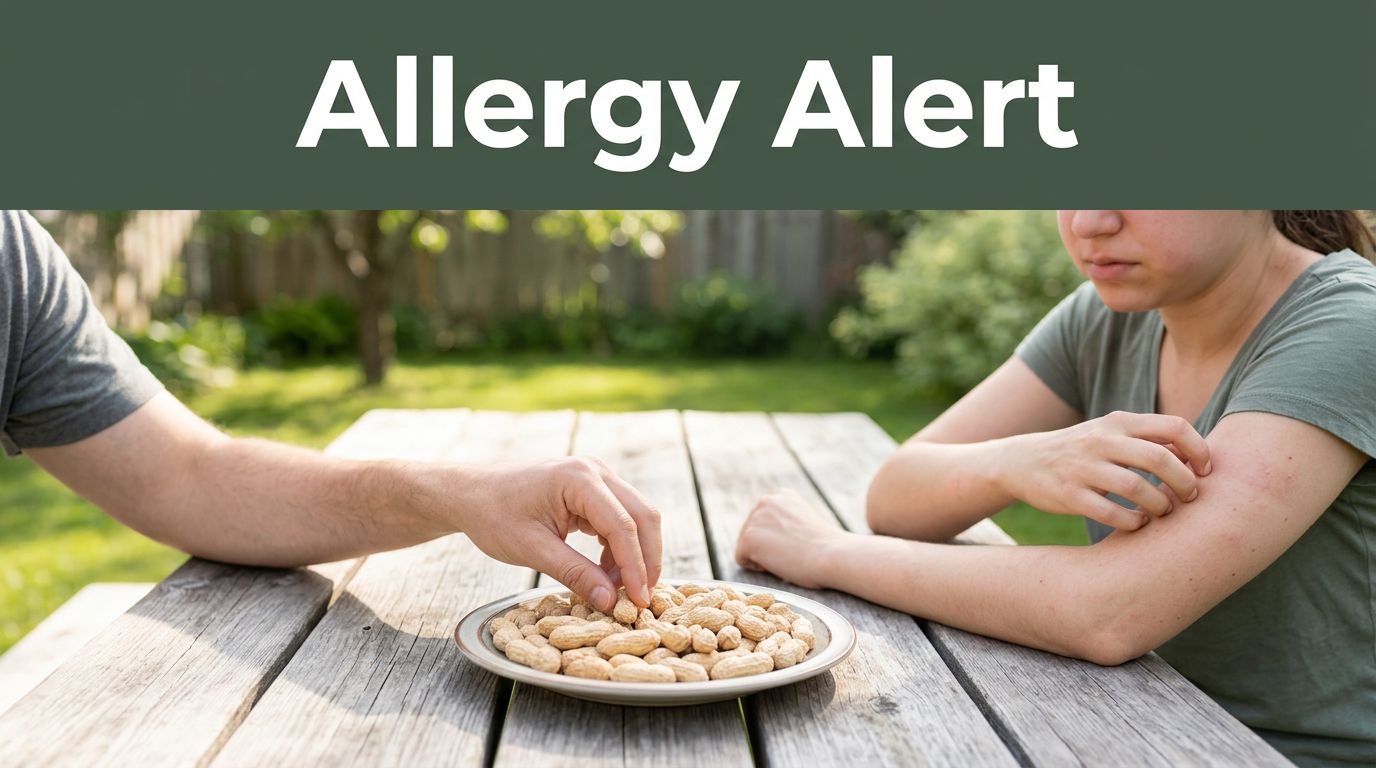
Picture this. You’re at a backyard picnic. Your friend grabs a handful of peanuts and munches away. Minutes later, they scratch their arms and complain of an itchy throat. What started as a fun day now feels tense.
Allergic reactions happen when your immune system overreacts to something harmless like food, pollen, or a bee sting. Mild cases bring discomfort. Severe ones, called anaphylaxis, can turn deadly in moments because airways swell or blood pressure drops. You need to spot signs and respond right away.
That’s why this guide matters. It covers how to recognize symptoms, handle mild reactions at home, manage life-threatening anaphylaxis, and know when to head to the ER. With clear steps from sources like the CDC and Mayo Clinic, you’ll feel ready to help. Let’s break it down.
Spot the Warning Signs of an Allergic Reaction Fast
Quick recognition saves time. Allergies affect millions each year. Symptoms often start within minutes of exposure. Watch the skin, face, breathing, and gut.
Mild signs stay local. They cause itchiness or rashes in one spot. These rarely threaten life but deserve attention. Always check if they worsen.
Anaphylaxis hits harder. It spreads fast across the body. Breathing trouble or swelling signals danger. Act without delay.
For detailed symptoms, check the Mayo Clinic’s overview of allergies. Guidelines stress watching for changes over 15 to 30 minutes.
Assess the person calmly. Ask about known allergies or recent triggers like nuts or meds. Note if they have asthma, which raises risks. Stay close and monitor.
Everyday Mild Reactions You Can Spot Easily
Hives pop up as red, itchy welts on the skin. They might cover arms or legs after touching poison ivy. Itching follows, often with a runny nose or watery eyes from pollen.
Upset stomach counts too. Nausea or cramps hit after eating shellfish for some. These stay in the belly area. They fade in hours without spread.
Sneezing fits or sniffles signal hay fever. Eyes water, but breathing stays easy. These local issues respond to simple care. Still, track them because they can build.
Danger Signs of Anaphylaxis That Demand Instant Action
Swelling in the face, lips, tongue, or throat blocks air. Wheezing or shortness of breath follows close behind. The person might gasp or cough hard.
Dizziness or fainting points to low blood pressure. A rapid heartbeat races along. Vomiting and widespread hives join in, covering much of the body.
These hit multiple systems at once. Onset speeds from seconds to 30 minutes. Shock leaves skin pale and clammy. Call help now.
Safe Steps to Ease Mild Allergic Reactions at Home
Mild reactions need gentle handling. First, stop the trigger. Wash skin with soap and water if pollen or pet dander caused it. Spit out food if possible.
Next, offer an oral antihistamine like diphenhydramine, if they can swallow safely. Follow package doses for adults or kids. These block histamine and calm itch or hives.
Monitor for 15 to 30 minutes. Sit them comfortably. Give cool compresses on rash areas. Avoid lotions at first; they might irritate more.
Don’t ignore these if the person has asthma or past severe reactions. Escalate to a doctor if symptoms grow. For skin-focused tips, see the AAAAI on skin allergies.
Keep it simple. Rest helps recovery. Symptoms often ease in under an hour.
Life-Saving Moves for Severe Anaphylaxis Reactions
Anaphylaxis demands speed. Every second counts based on 2024 CDC and Red Cross updates. Start with epinephrine; it’s the only proven fix.
Call 911 first or have someone do it. Then grab the auto-injector if available. Recent guidelines from AAAAI confirm this order.
Position matters after the shot. Help the person lie flat with legs raised 12 inches unless they vomit or struggle to breathe. Then let them sit up.
Loosen tight clothes around the neck. Keep them warm with a blanket. Reassure them help comes soon. Stay until paramedics arrive.
No other meds before epinephrine. Antihistamines or inhalers come later. CPR starts if breathing stops: 100 to 120 chest presses per minute.
For a full breakdown, review the CDC’s recognizing and responding guide.
Inject Epinephrine the Right Way Every Time
Grab the EpiPen or generic auto-injector. Remove the safety cap. Swing and jab firmly into the outer thigh muscle through clothes.
Hold for 3 seconds; some say up to 10. Pull straight out. Rub the spot briefly. Always carry two doses; repeat after 5 to 15 minutes if needed.
Doses match weight: 0.15 mg for 33 to 66 pounds, 0.3 mg for larger kids and adults. Train ahead with practice devices from Red Cross courses.
Thigh works best; avoid arms or butt. It reverses swelling and shock fast.
Position the Person and Stay Until Help Arrives
Flat on back boosts blood flow if shock signs show. Raise legs unless breathing worsens. Vomiting means sitting forward to avoid choking.
Do not stand them up; it drops pressure more. Keep airways open by tilting the head back slightly. Watch pulse and breathing.
Stay calm. Talk to them. Note times of shots and symptoms for EMS. This aids hospital care.
When to Rush to the ER and What Happens After
Head to the ER for any anaphylaxis, even after epinephrine. Mild cases worsen 20% of the time. Go if symptoms don’t fade in 15 minutes.
Post-shot monitoring lasts 4 to 12 hours because reactions rebound. Biphasic hits hit one in five cases.
At the hospital, doctors give fluids, oxygen, more meds. They watch vitals closely. Discharge comes with a new plan.
Always follow up with an allergist. Get fresh EpiPens prescribed.
Why Hospital Care Is a Must Even If You Feel Better
Second waves strike without warning. They mimic the first but hit harder sometimes. ER staff track this with tests like blood pressure checks.
They provide steroids or breathing support. Observation prevents surprises. Go even if color returns.
Build Your Allergy Action Plan for the Future
See your doctor soon. Discuss triggers and history. They prescribe EpiPens and write a plan.
Download a template like the AAAAI anaphylaxis emergency action plan. Share it with family, school, or work.
Train everyone on steps. Practice EpiPen use. Wear medical alerts. Prevention cuts risks sharp.
Spot signs early, treat mild ones simply, hit anaphylaxis with epinephrine and 911, then follow through at the ER. These steps turn panic into control.
You hold power to save lives. Learn CPR if you haven’t. Get EpiPen training from Red Cross. Talk to your doctor about your risks.
Share your story in comments. Have you faced an allergic reaction? Pass this to friends. Stay prepared; it matters.
(Word count: 1492)